EXPLORE ALL THE PHOTOS AND INFO AND DREAM ABOUT LIVING THERE!
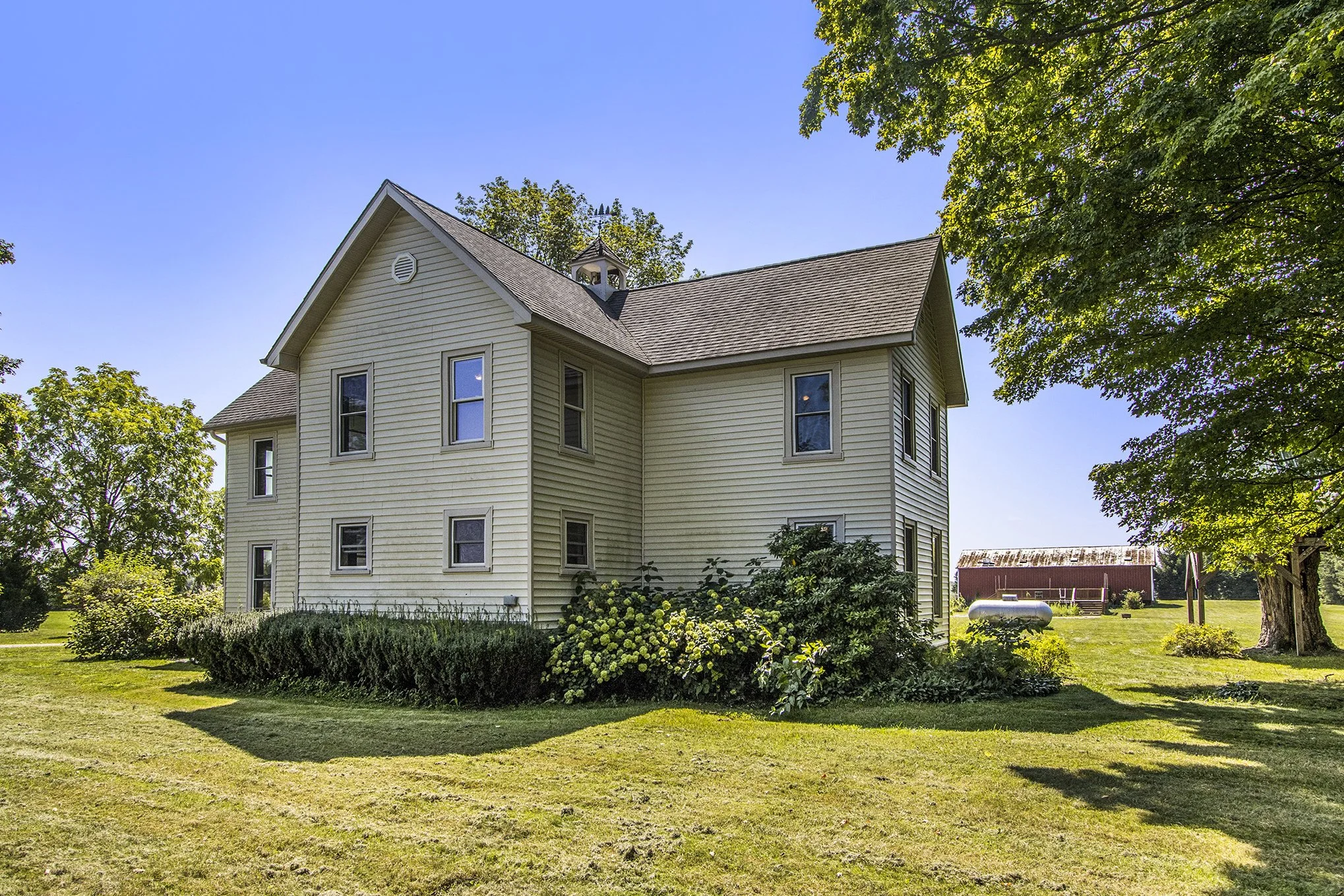
Step back in time to the quaint year of 1870, just a stone's throw away from the public access to Eagle Lake near Bloomingdale, MI. In this enchanting era, where horse-drawn carriages gracefully traversed dusty roads, and the scent of freshly baked pies wafted through the air, a legend was born at 40955 Baseline Road.
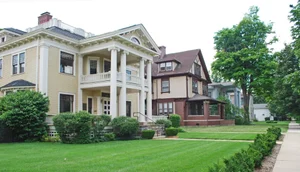
Nestled in the heart of a vibrant lake community, the 3300 sq ft house, now for sale, is said to have originated as a guest house for visitors seeking solace by the serene waters of Eagle Lake. The whispers of time tell tales of laughter echoing in its halls and the old dinner bell still proudly standing atop the structure, a testament to a bygone era.
This historic abode, surrounded by the beauty of nature, encapsulates the essence of a simpler time while offering a glimpse into the legacy that has endured for over a century. Purchasing this property not only means acquiring a house but embracing a piece of history, a connection to the rich tapestry of life that has unfolded within its walls.
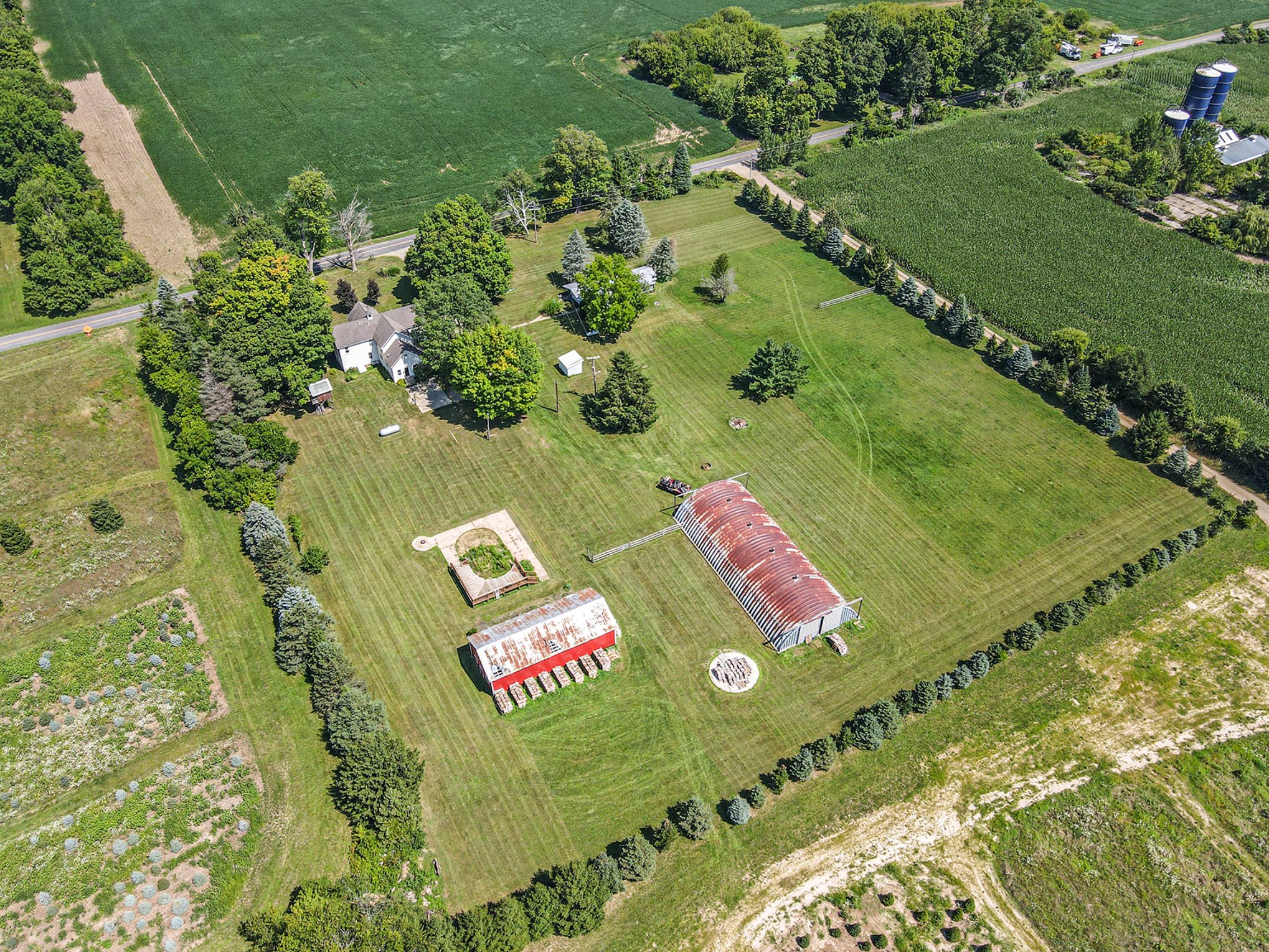
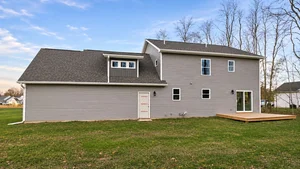
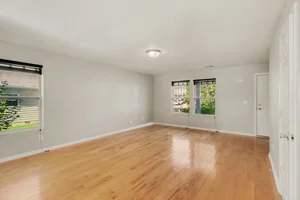
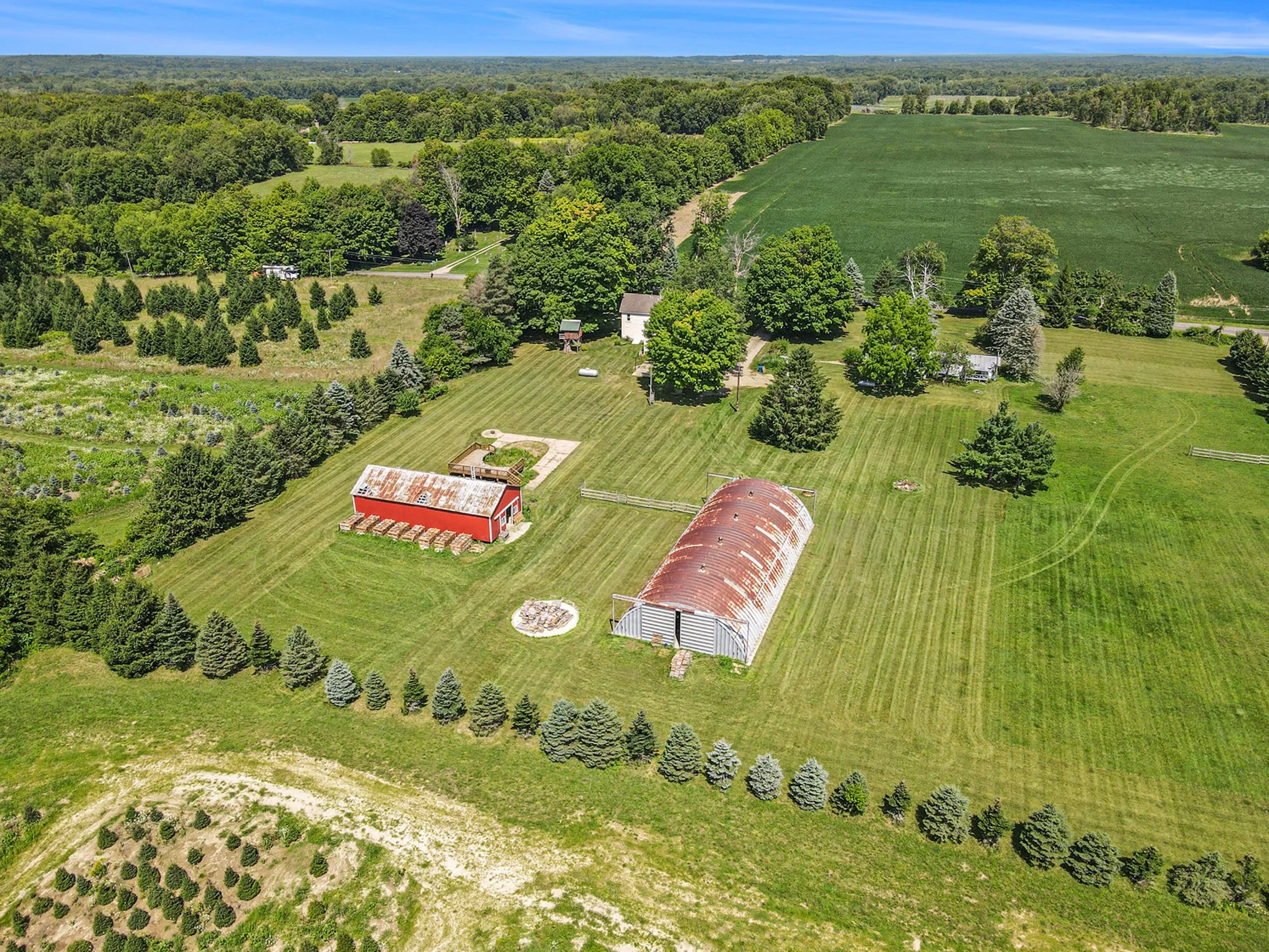
The property boasts an array of features that make it a true gem. The farmhouse, a spacious 5-6 bedroom home, stands proudly on 4.45 acres, flanked by two barns that have witnessed generations come and go. The house underwent an extensive remodel in 2003, ensuring that modern comforts seamlessly intertwine with its historic charm.
As you explore the dwelling, you'll discover the soulful resonance of two furnaces diligently working to keep the home warm, and 37 high-efficiency replacement windows that flood the rooms with natural light, echoing the simplicity and warmth of a bygone era.
Venture beyond the house, and you'll find a 45' x 100' Quonset building, a spacious "corn crib," and the echo of a partnership with Wray's Septic, who skillfully installed a new septic system at 41019 Baseline Rd. The property isn't just a home; it's a testament to resilience and adaptability, evolving with the times while preserving the heart of its history.
What's more, this sale isn't just about one house; it's an opportunity to own a piece of a larger story. The package includes neighboring properties at 40955 (manufactured house) and 41019 Baseline Rd (farmhouse/barns), creating a unique enclave of history, space, and charm.
For those interested in making this historical gem their own, the Veenstra Team, REALTORS with eXp Realty, stands ready to guide you through the journey. With expertise and a passion for preserving the stories woven into the fabric of these walls, they bring the opportunity to step into a living, breathing piece of Michigan's history.
Don't miss your chance to own not just a house but a chapter in the timeless narrative of this Eagle Lake community. Come, be a part of history, and let the echoes of 1870 carry you to a place where the past gracefully meets the present.
Wondering more about a Corn Crib and it’s Role in Life?
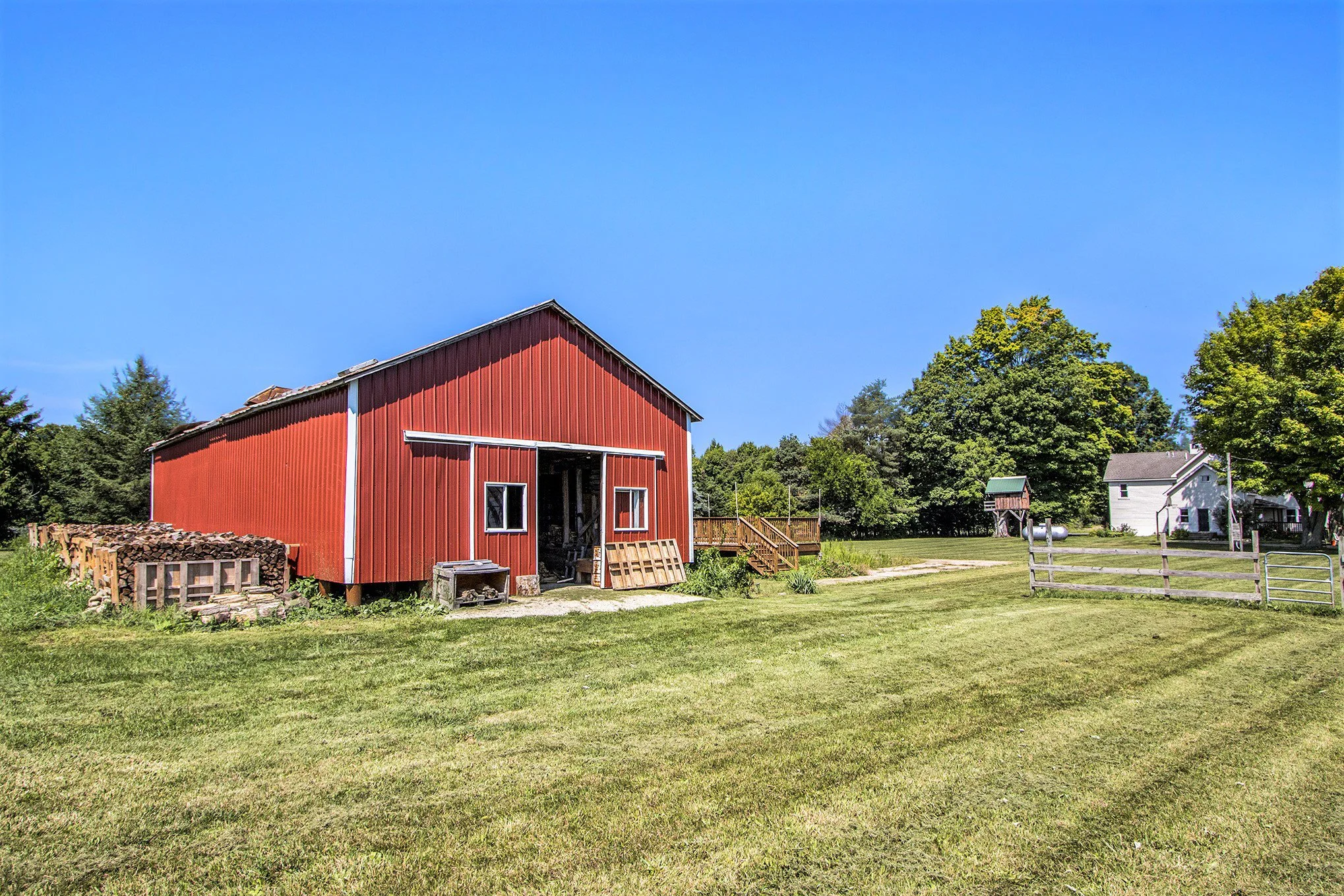
A corn crib on a small 5-acre farm serves a vital role in the storage and preservation of harvested corn. Historically, and often in smaller agricultural settings today, a corn crib is a structure designed for drying and storing corn (maize) ears after they have been harvested from the fields. Here are some key purposes and functions of a corn crib on a small farm:
Drying Corn: One of the primary functions of a corn crib is to allow harvested corn to dry naturally. After being picked from the fields, corn needs to go through a drying process to reduce its moisture content. Drying the corn prevents mold growth and ensures that the corn can be stored for an extended period without spoiling.
Preservation: Corn cribs are designed with openings or slats in the walls to promote airflow. This design aids in the natural drying process and prevents the corn from rotting. Good ventilation is crucial for preserving the quality of the corn and preventing the growth of fungi or pests.
Storage: Once the corn has dried to the desired moisture level, the crib provides a protected space for long-term storage. The raised floor of the crib allows air circulation beneath the corn, reducing the risk of spoilage. Farmers can store corn in the crib until they are ready to use or sell it.
Seed Corn: In addition to being a storage facility for corn intended for human or animal consumption, corn cribs may also be used to store seed corn. Seed corn is kept separate and protected to ensure its quality for planting in the next growing season.
Traditional Farm Aesthetic: Beyond its practical purposes, a corn crib can contribute to the overall aesthetic of a small farm. With its rustic design and historical significance, a corn crib adds character to the landscape, reflecting the traditional farming practices of a bygone era.
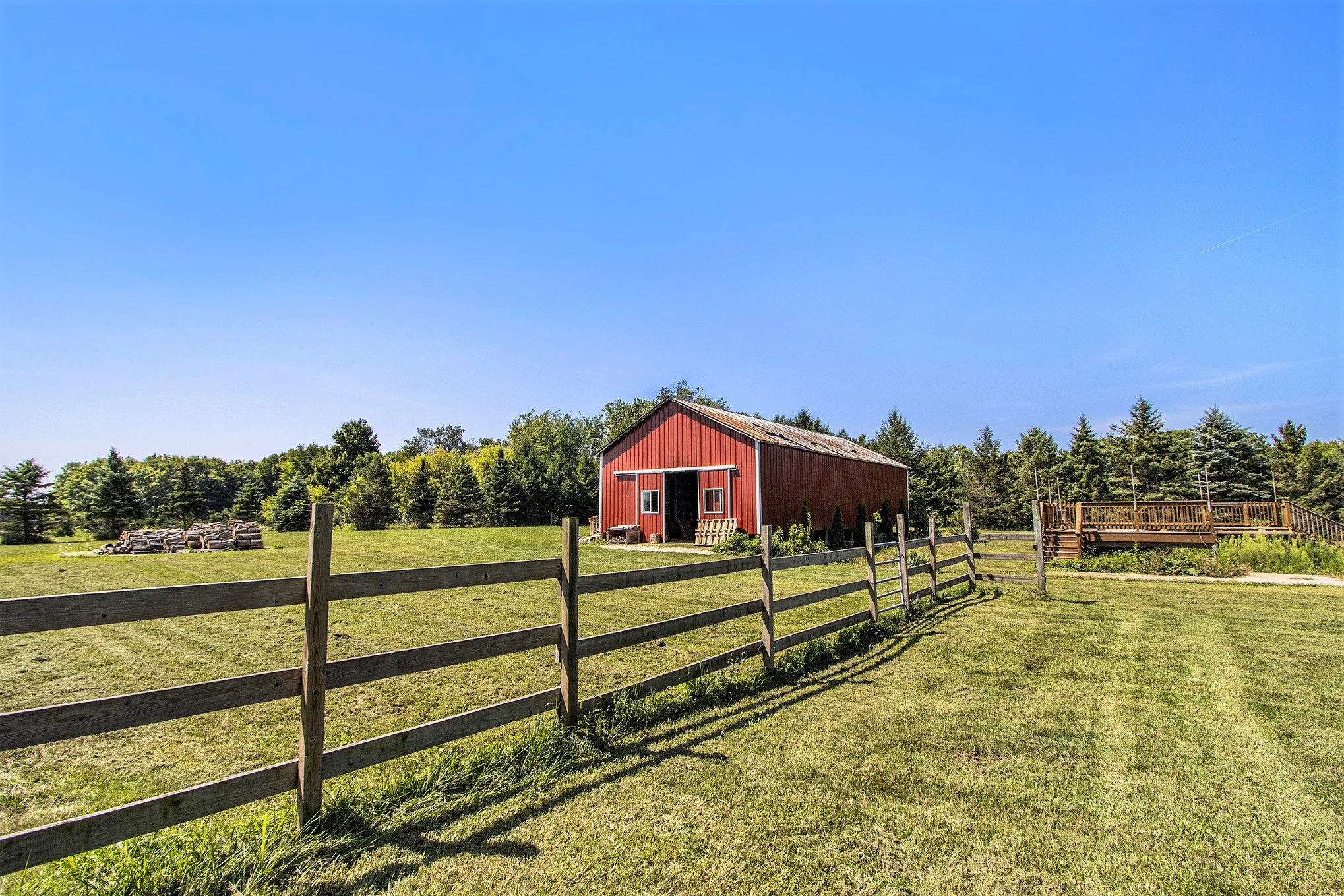
In the context of the small 5-acre farm near Eagle Lake in Bloomingdale, MI, the corn crib mentioned alongside the farmhouse and barns at 41019 Baseline Rd may have been part of the historical agricultural operations on the property. Its presence reflects the diverse functions of a farmstead and the careful consideration given to preserving and utilizing harvested crops.