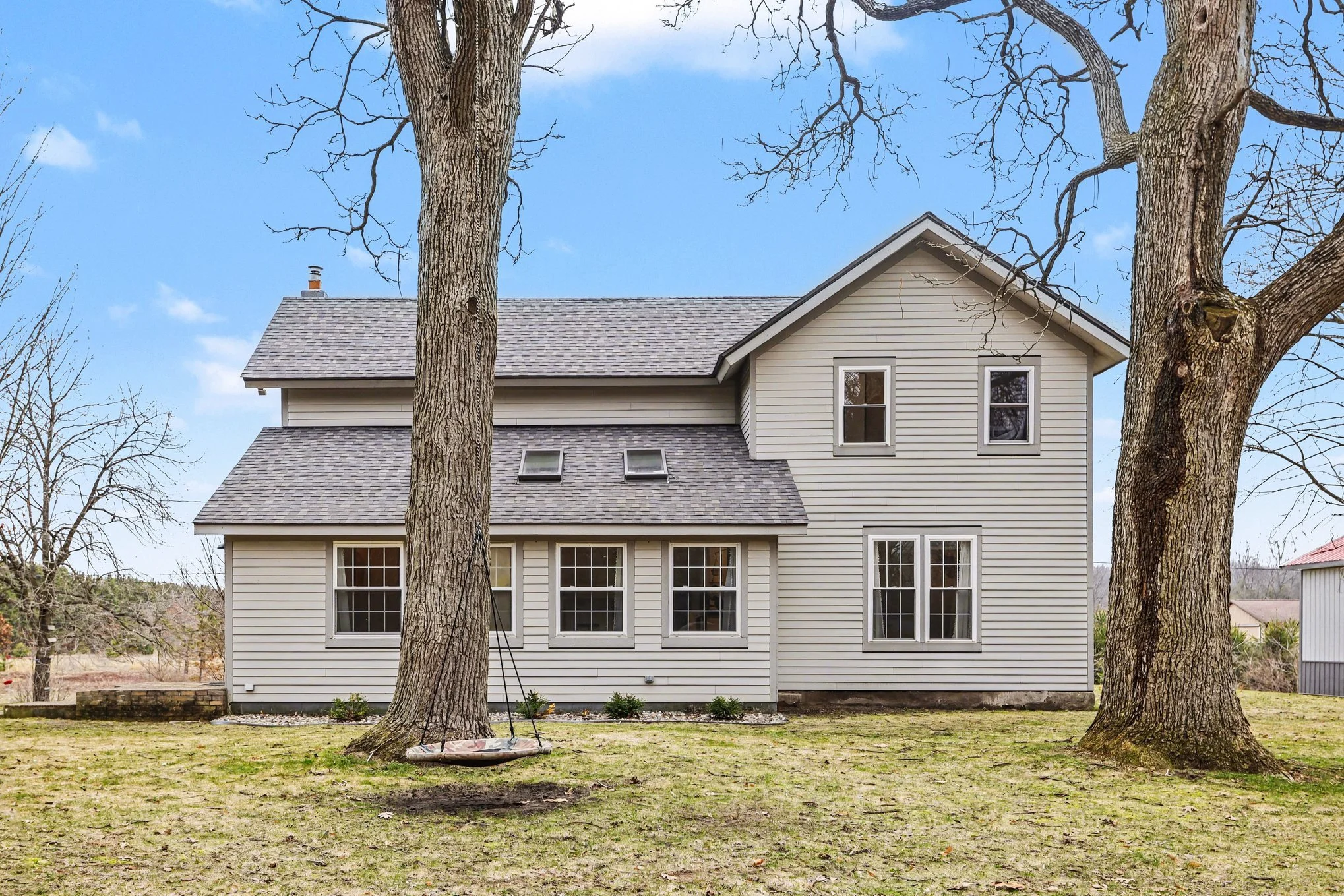
What are the stories told in this 1866 farm house? For 160 years it has srvuved and thrived.
When this home at 10850 W J Ave was built in 1866, Michigan had just stepped out of the Civil War.. There were no cars, no paved streets, horses and buggys, No electric lights, No furnaces humming in the background. No washing machines, no dryers, no indoor plumbing, privy’s were common in the back yard. A homestead was important because food was often grown on your own land and a few animals would provide your sustanance.
In the years immediately following the Civil War, life in Michigan was still largely rural, self-reliant, and shaped by the rhythms of the land. Most families lived in modest homes built from local materials, often heated by wood stoves or fireplaces, with no indoor plumbing or electricity. Daily life required constant effort—cutting and hauling wood for heat, drawing water from wells, tending gardens and livestock, and preserving food for long winters. Communities were close-knit, with neighbors relying on one another for barn raising, harvesting, and support in difficult times. Travel was slow, roads were rough, and many areas were still developing, but there was also a strong sense of opportunity as families built new lives in a growing state. For children, life mixed hard work with simple play, often outdoors, using imagination more than possessions—reflecting a time when comfort was earned and life was deeply connected to the land.
The year after the Civil War was 1866. This is the year that 10850 W J Ave was built.
The President of the United States at that time was Andrew Johnson. He became president in 1865 after the assassination of Abraham Lincoln and was leading the country through the early stages of Reconstruction.
Michigan became a state on January 26, 1837.
So by 1866, Michigan had been a state for 29 years—still relatively young, with many areas (like parts of Kalamazoo County) continuing to grow, develop farmland, and establish communities.
What makes 1866 so compelling isn’t just how hard life was—it’s what people believed was possible.
In 1866, the year after the Civil War, people in Michigan were facing a mix of practical, economic, and social challenges as the state continued to grow and adjust to a changing nation.
🌾 1. Rebuilding and Adjusting After the War
Many Michigan families had sent fathers, sons, and brothers to fight. Some didn’t return, and others came home injured or unable to work as they once had. Communities were adjusting to loss, and households often had to reorganize responsibilities just to keep farms and businesses running.
🌲 2. Clearing Land and Building a Living
Michigan was still being developed, especially outside of established towns. Much of the land was forested, so daily life often included:
Cutting down trees
Removing stumps
Building homes, barns, and fences by hand
This was physically exhausting, ongoing work just to make land usable for farming.
❄️ 3. Surviving Harsh Winters
Michigan winters were (and still are) serious—but in 1866, survival depended on preparation:
Cutting and stacking enough firewood
Preserving food for months
Maintaining shelter without modern insulation
If a family didn’t prepare well, winter could be dangerous—not just uncomfortable.
🚜 4. Limited Tools and Labor-Intensive Farming
Farmers didn’t have modern machinery. Most work was done with:
Hand tools
Animal power (horses or oxen)
This meant long days and slow progress. A bad harvest or illness could quickly create hardship.
🛤️ 5. Transportation and Isolation
Roads were rough, and travel was slow. Railroads were expanding, but many rural areas were still relatively isolated.
Getting goods to market—or even visiting a nearby town—took time and planning.
🏫 6. Building Community and Infrastructure
Schools, churches, and local governments were still being established in many areas.
Families relied heavily on neighbors for:
Barn raising
Harvest help
Support during illness or loss
Community wasn’t optional—it was essential.
💰 7. Economic Uncertainty
Even though Michigan avoided the physical destruction seen in the South, the national economy was still stabilizing. Prices, wages, and markets were shifting, and farmers depended heavily on conditions they couldn’t control.
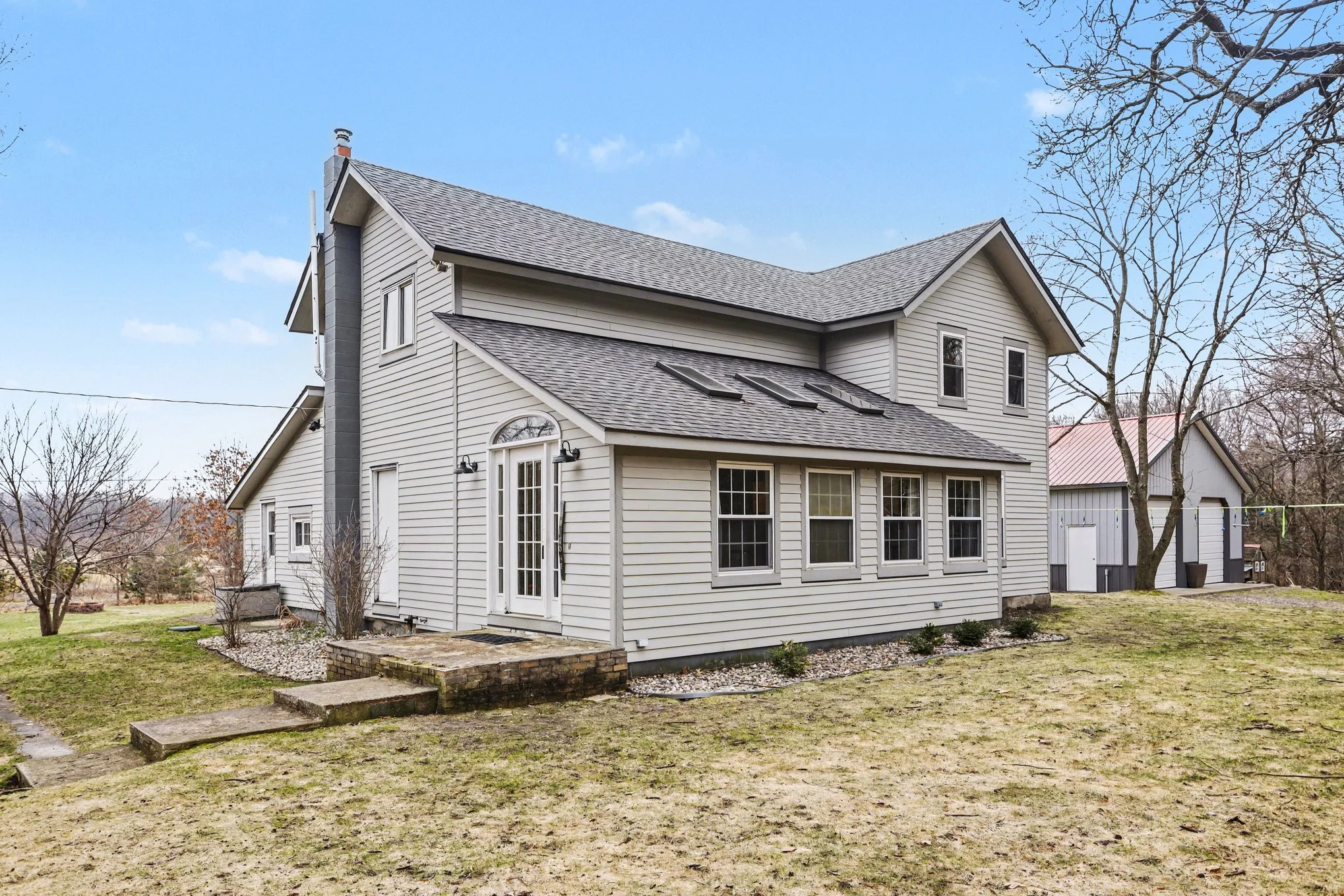
10850 W J Avenue is in amazing condition for being 160 years old!
🔑 The Big Picture
Life in Michigan in 1866 required resilience, resourcefulness, and constant work. Most struggles weren’t abstract—they were daily realities tied to land, weather, health, and survival.
And yet…
There was also hope and opportunity. People were building something—homes, farms, communities—that would last generations.
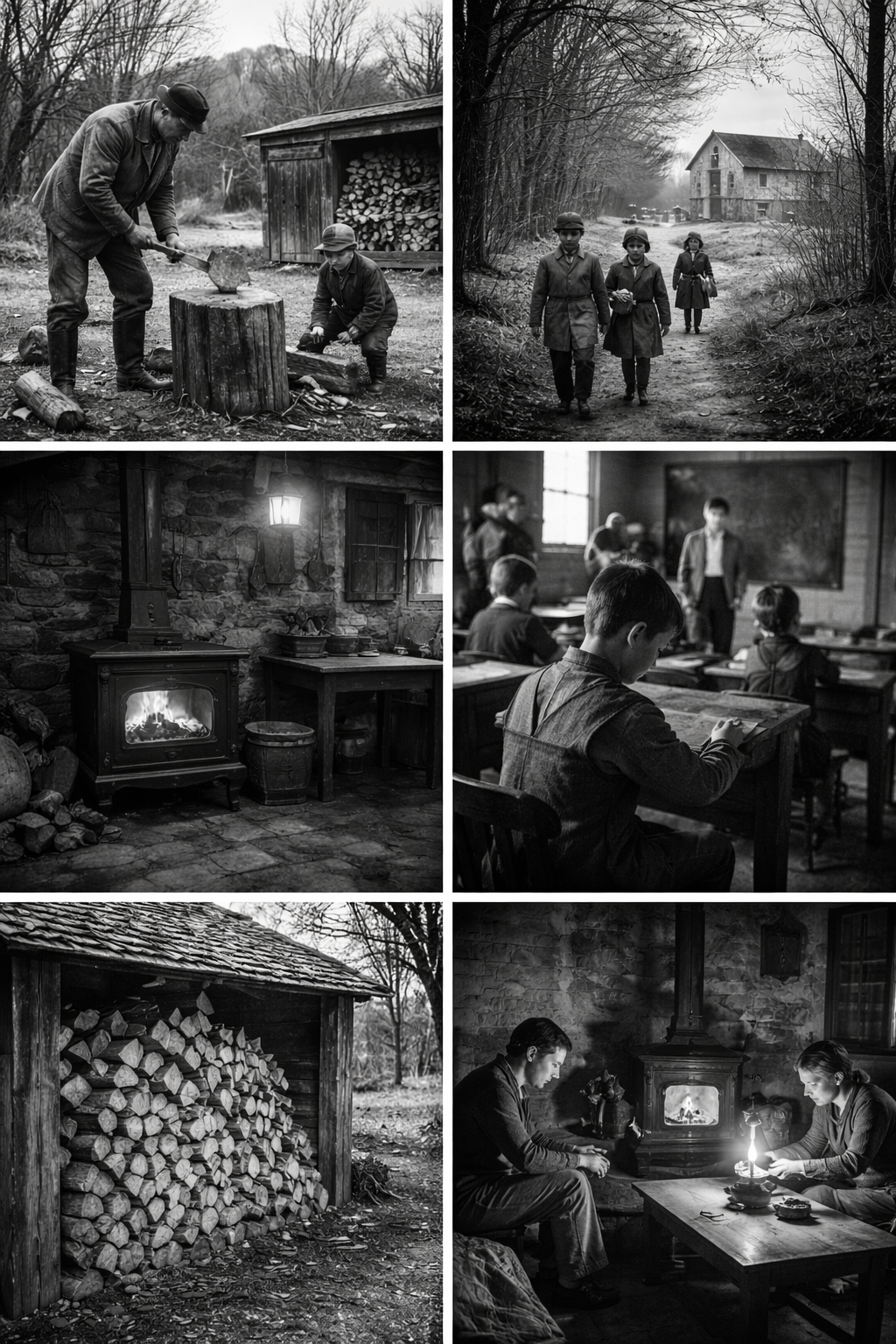
An assortment of phtoos depicting life in 1866, the year that 10850 West J Avenue, Kalamazoo, MI, 49009 was built.
The same families who were cutting trees by hand, stacking wood for winter, and building homes board by board were doing it with a long view in mind. They weren’t just surviving—they were planting something. Land that could feed a family. A home that could shelter generations. A life that could grow steadier, stronger, and more secure over time.
And that’s the thread that carries forward to today.
What once required constant physical labor now offers something different: space, flexibility, and choice. The land that had to be cleared is now open. The home that had to be built from scratch now stands with character you can’t recreate. The outbuildings that once supported survival now support lifestyle—hobbies, storage, workspace, or something entirely your own.
The challenges have changed—but the opportunity hasn’t.
Now, instead of asking, “How do we make this land livable?”
You get to ask, “What do we want this land to do for us?”
That’s the shift.
A property like this isn’t just about square footage or acreage—it’s about stepping into something that’s already been built over time and deciding how it fits into your next chapter. Whether that’s space to spread out, room to create, or simply a quieter place to land, the foundation has already been laid.
And just like in 1866…
It starts with someone seeing the potential and choosing to move forward. Lets keep learning more about 1866 and how this homestead at 10850 W J is still ready to create the lifestyle wher you get to ask “what do we want this location and this house to do for us!
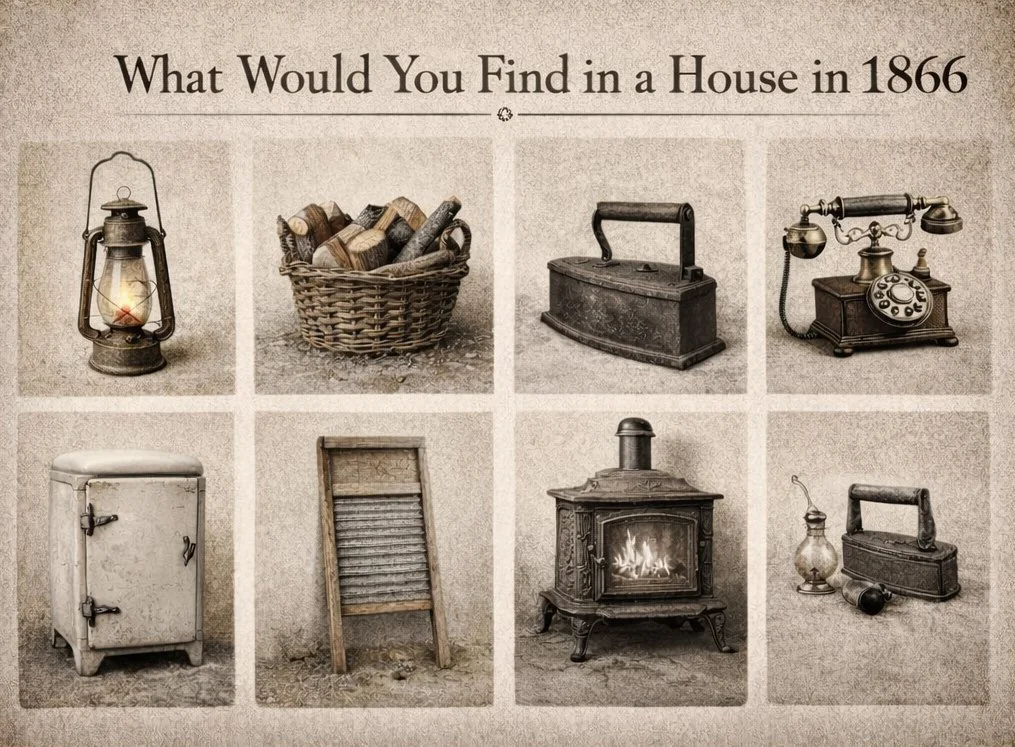
Several of these household items were likely found in the house at 10850 W J Ave. Which do you think? At the bottom of the post you will find the answers.
What will you find in 10850 W J Avenue, Kalamazoo in 2026?
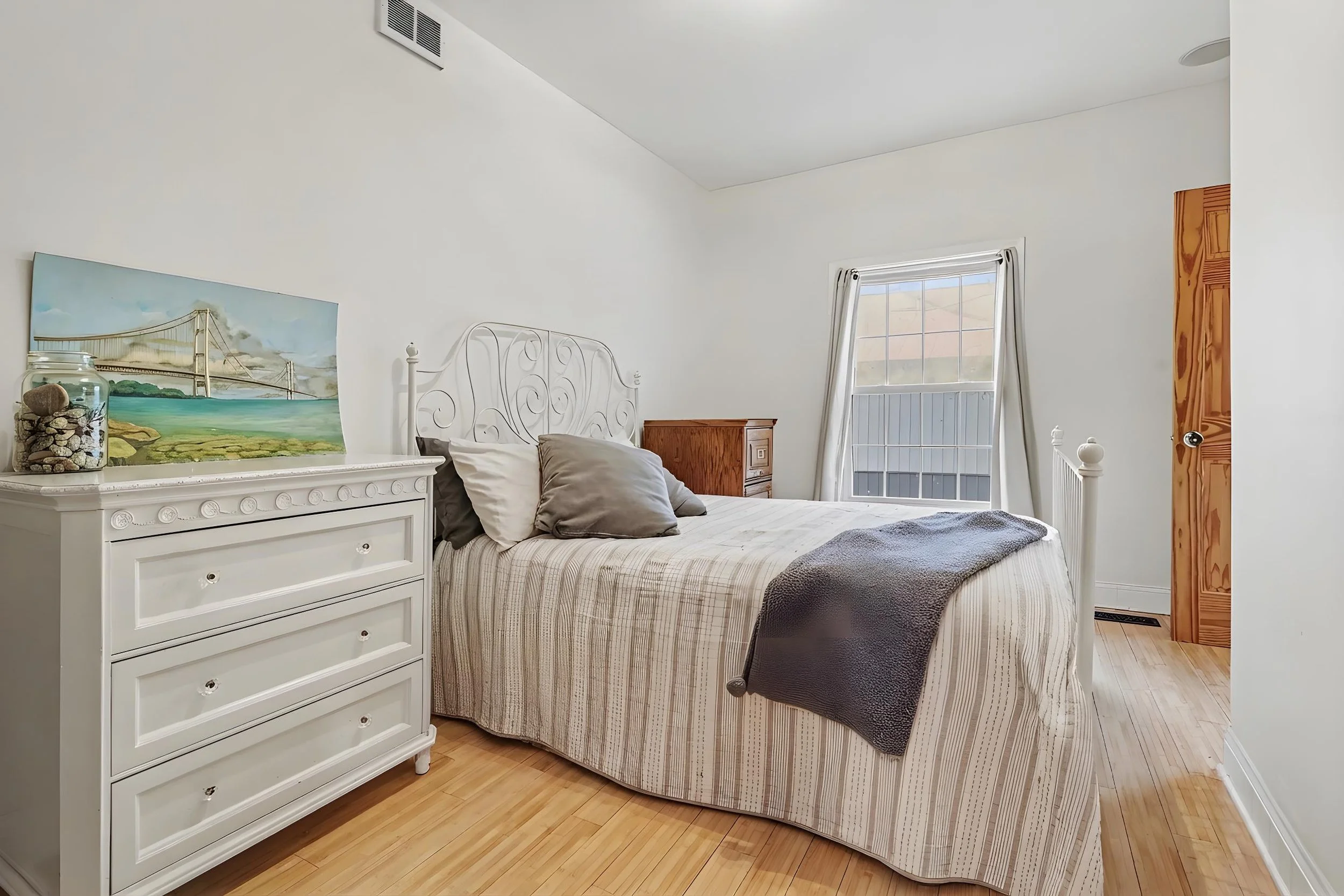
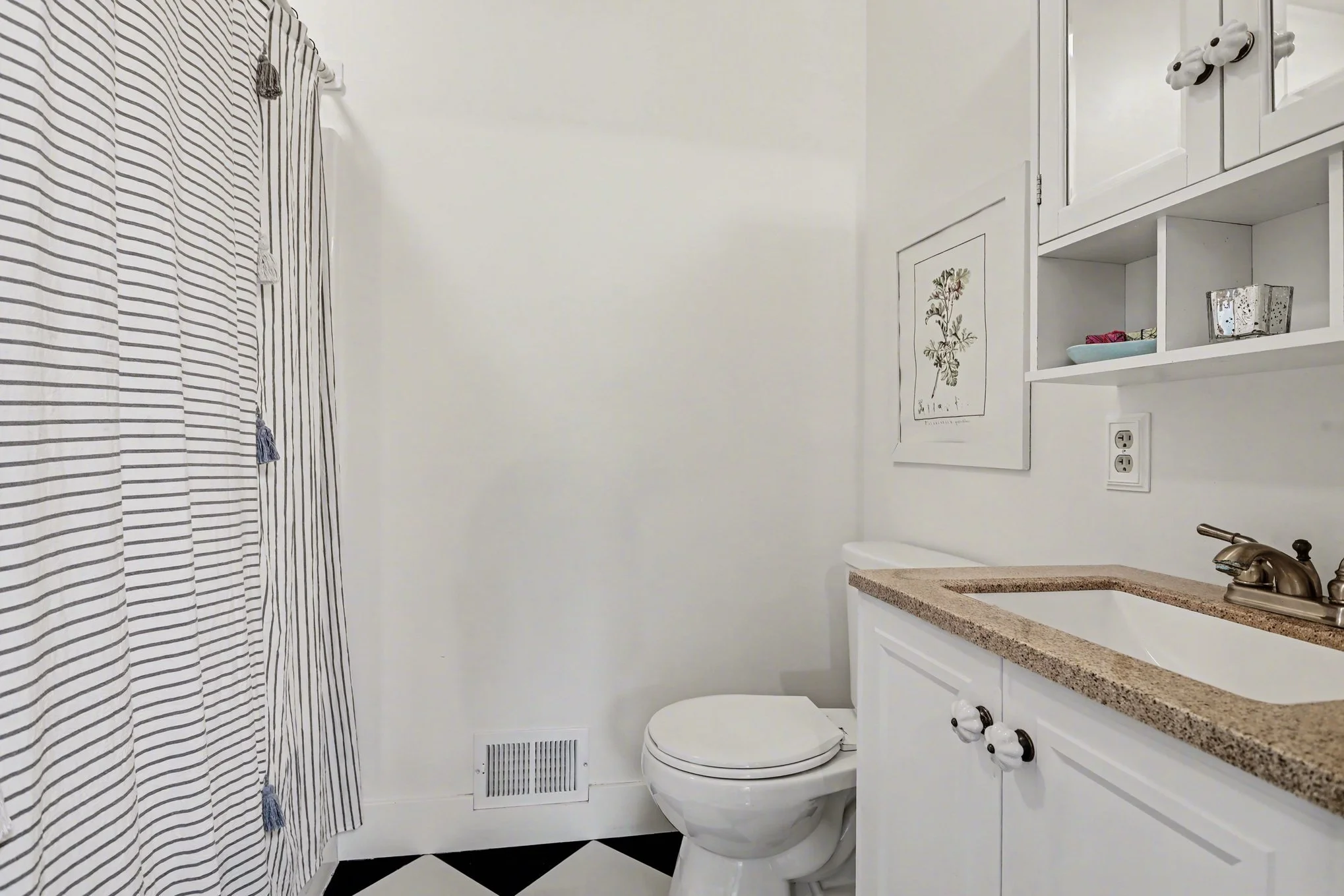
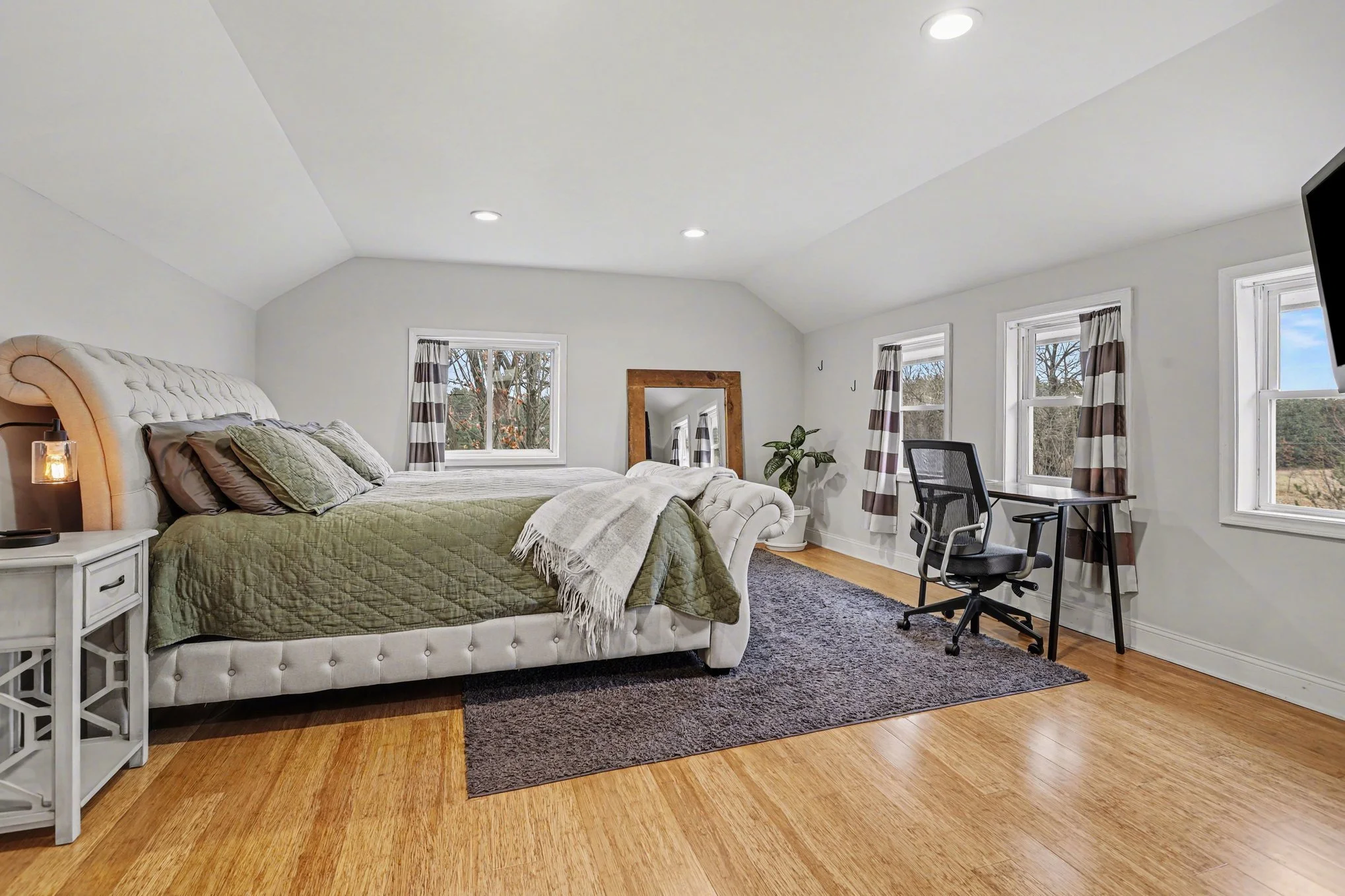
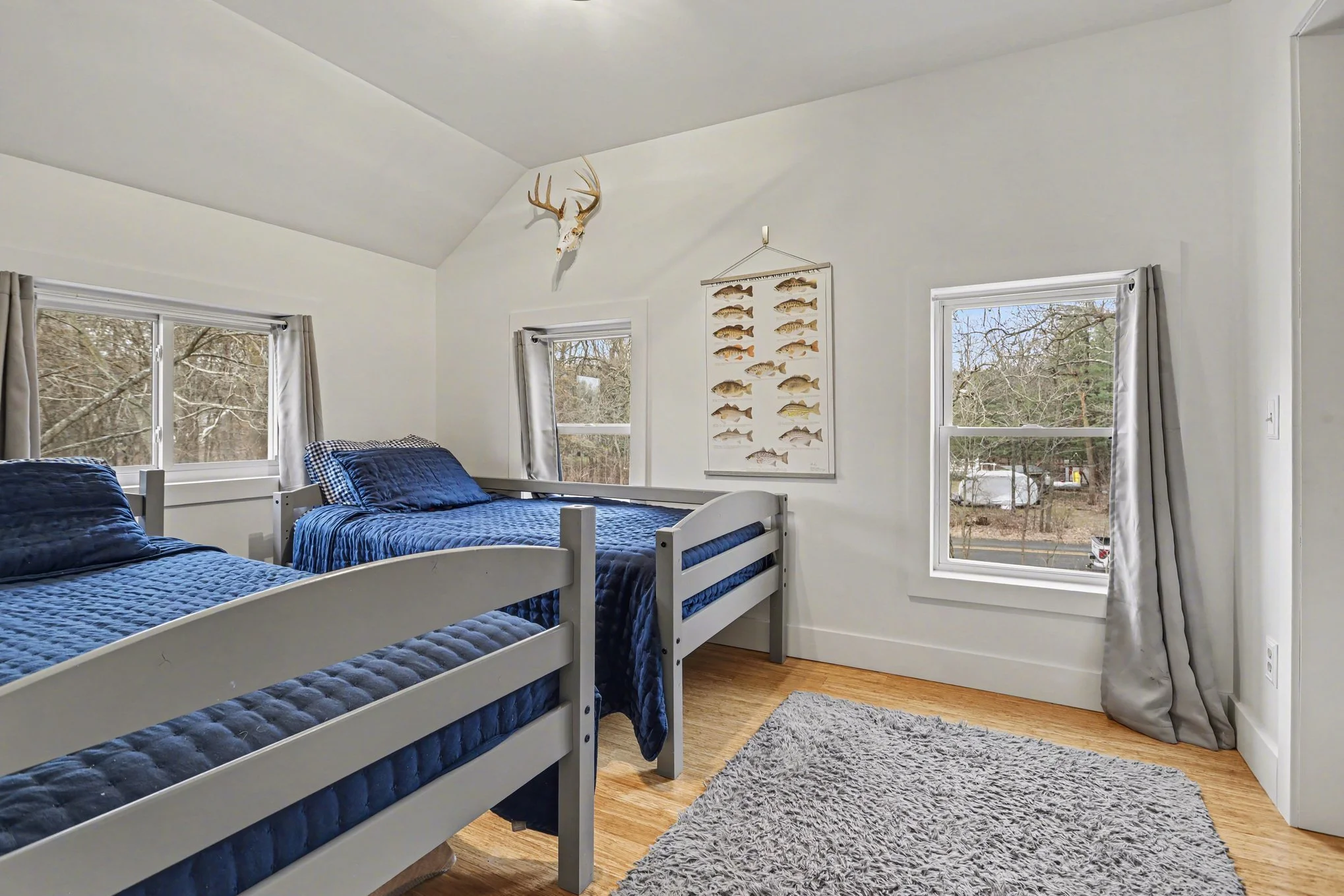
Beautifully renovated farmhouse with 30X40 barn on 1.16 acres in Oshtemo Township! Originally built in 1866 & thoughtfully updated, this spacious home blends historic charm with modern comfort. Inside you'll find over 2,400 finished square feet featuring 3 bedrooms & 2 full baths. The kitchen flows into a wonderful family room with a cozy wood-burner, creating a warm gathering space. The main floor also features three additional rooms, including a bedroom plus two flexible spaces. One smaller room--currently used as an exercise room--would also make a great home office or library, while the larger room could serve as a living room, dining room, or even another bedroom. Major updates include newer wiring, roof shingles & siding, along with closed-cell polyfoam insulation for superior energy efficiency. Enjoy peaceful country views on 1.16 acres plus a large 30X40 pole barn perfect for storage, hobbies, or a workshop. Character, updates, space & location,
🏡 How Big Were Homes in 1866?
Most farmhouses in Michigan at that time were:
1 to 1½ stories
Roughly 800–1,500 square feet
Built with function first, comfort second
Rooms were smaller and fewer:
A central living/cooking space
Maybe 2–3 bedrooms upstairs or in loft areas
Storage often in basements or outbuildings
👉 The goal wasn’t space—it was efficiency and survival.
Homes like this one would have grown and adapted over time, just like the families living in them. Families were often much larger than families of today…and as families of taoday often have space enough for each faily member to have their own space, homes in 1866 were places of shared rooms, shared beds and lots of work to survive and lots of family connection.
🔥 In 1866 Heating the Home was Done with wood
Heat came from:
Wood stoves or fireplaces
Fueled by wood cut from the property or nearby land
There was no thermostat.
You controlled heat by:
How much wood you cut
How well you managed your fire
How tightly your home was built
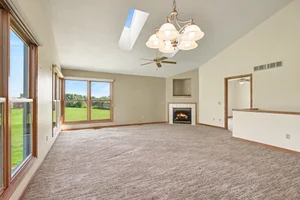
🔥I60 Years later in 2026 Heat is Supplemented with Cozy Fireplace Heat
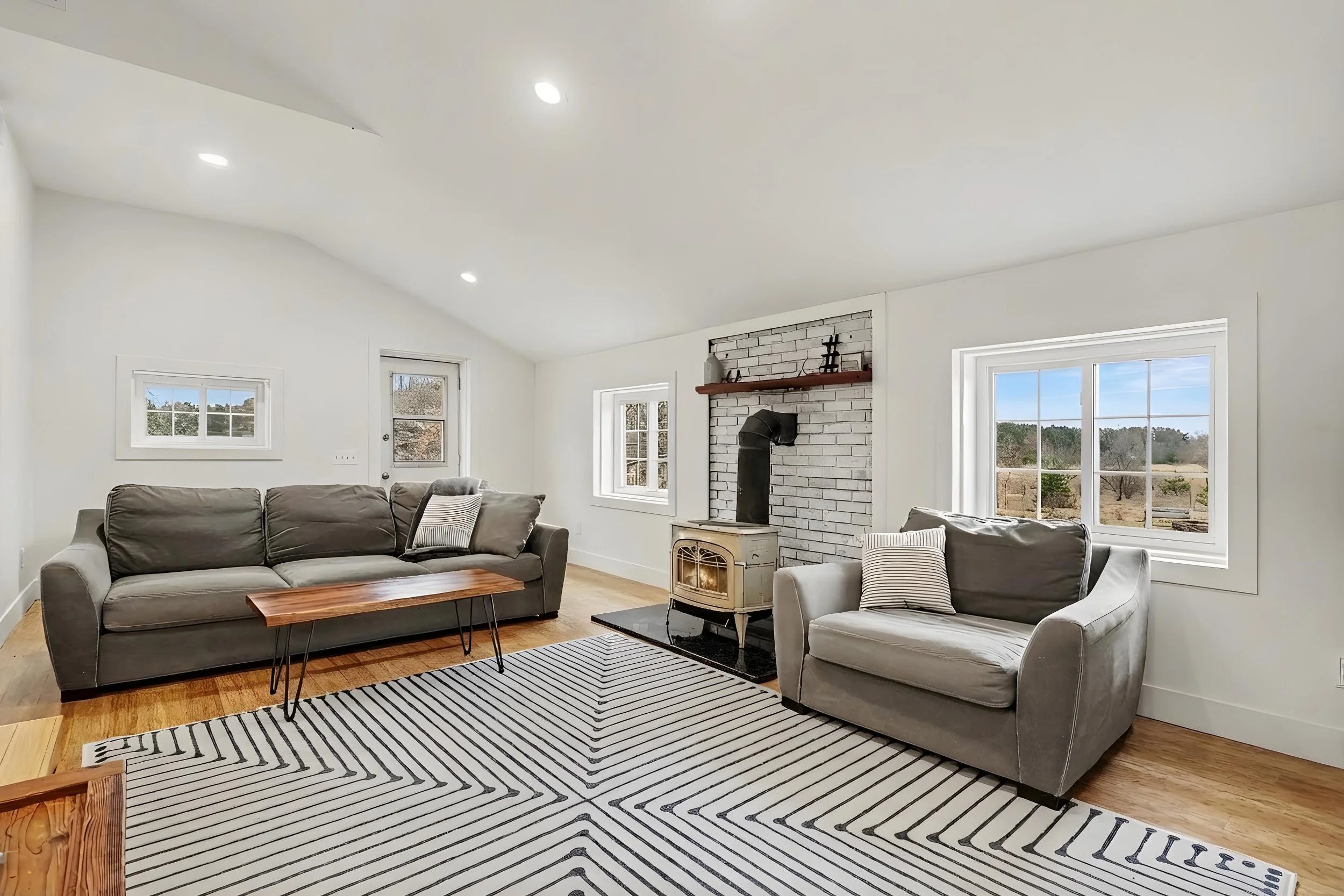
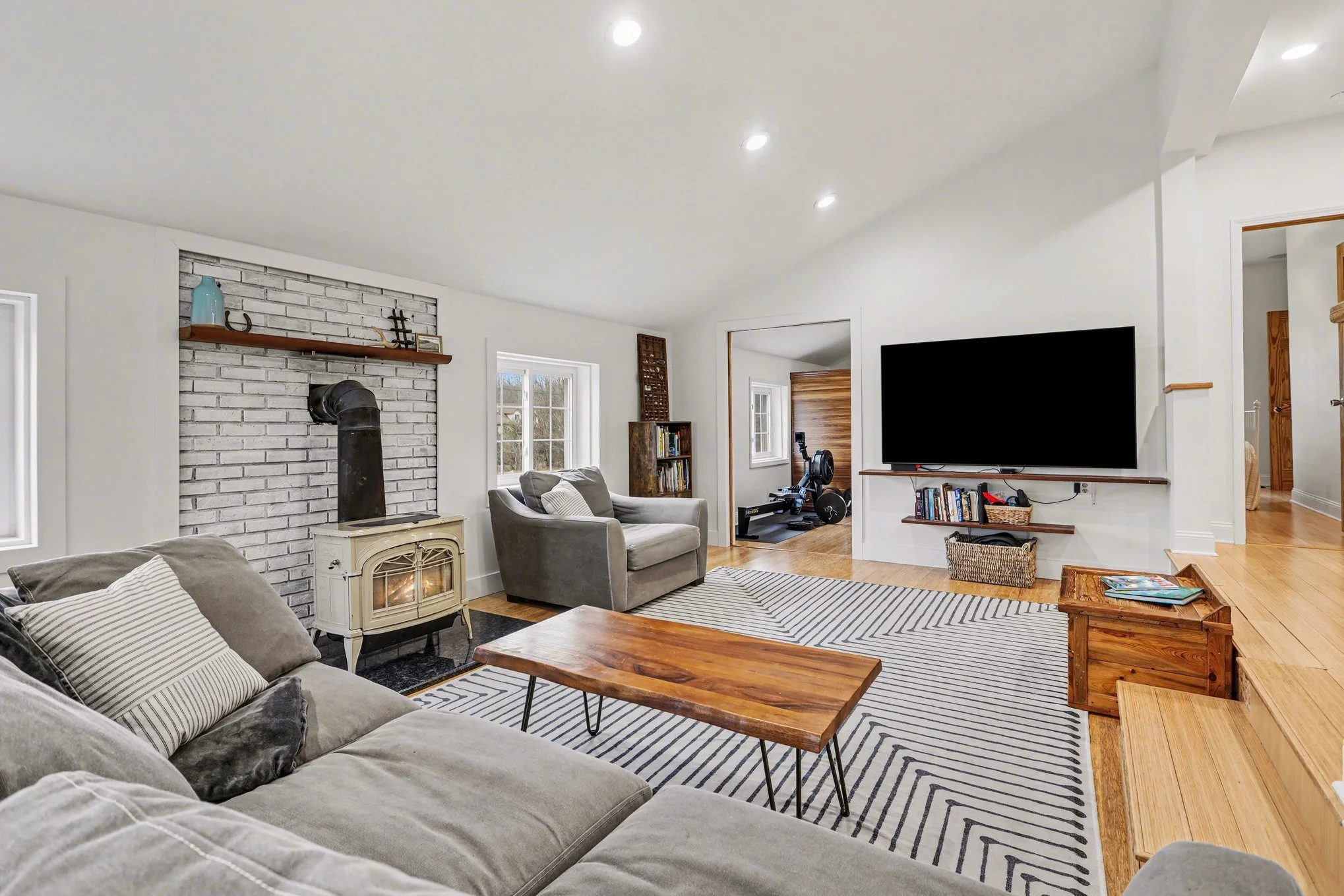
This warm and cozy gathering place still provides space for connection and joy. There is nothing like the radient hear of a fireplace.
👉Today the home at 10850 West J Avenue, Kalamazoo, MI, 49009 can still echo the That connection between effort and comfort is something this home still echoes today. There is still a wonderful wood burning fireplace that supplements a furnace and creates a cozy space and lots of shared joy.
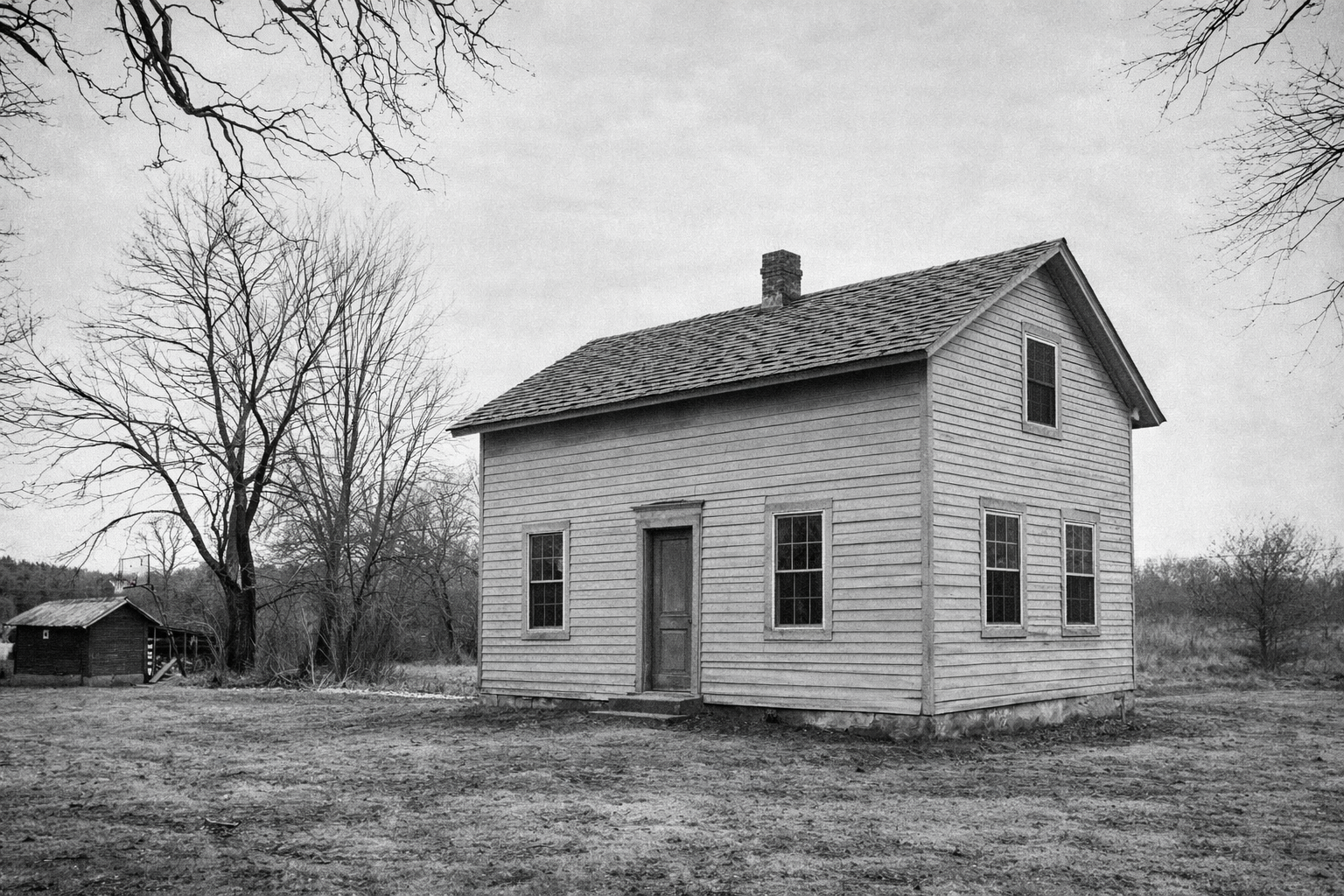
This is an virtual represenation image of what a house built in 1866 may have been like. The current house had had a few additoins added to make it the wonderul house it is.

This is the current actual photo of the house at 10850 W J. Notice the newer roof and windows and all the space. After 160 years, this house is still a fabulous place to live and work and enjoy life.
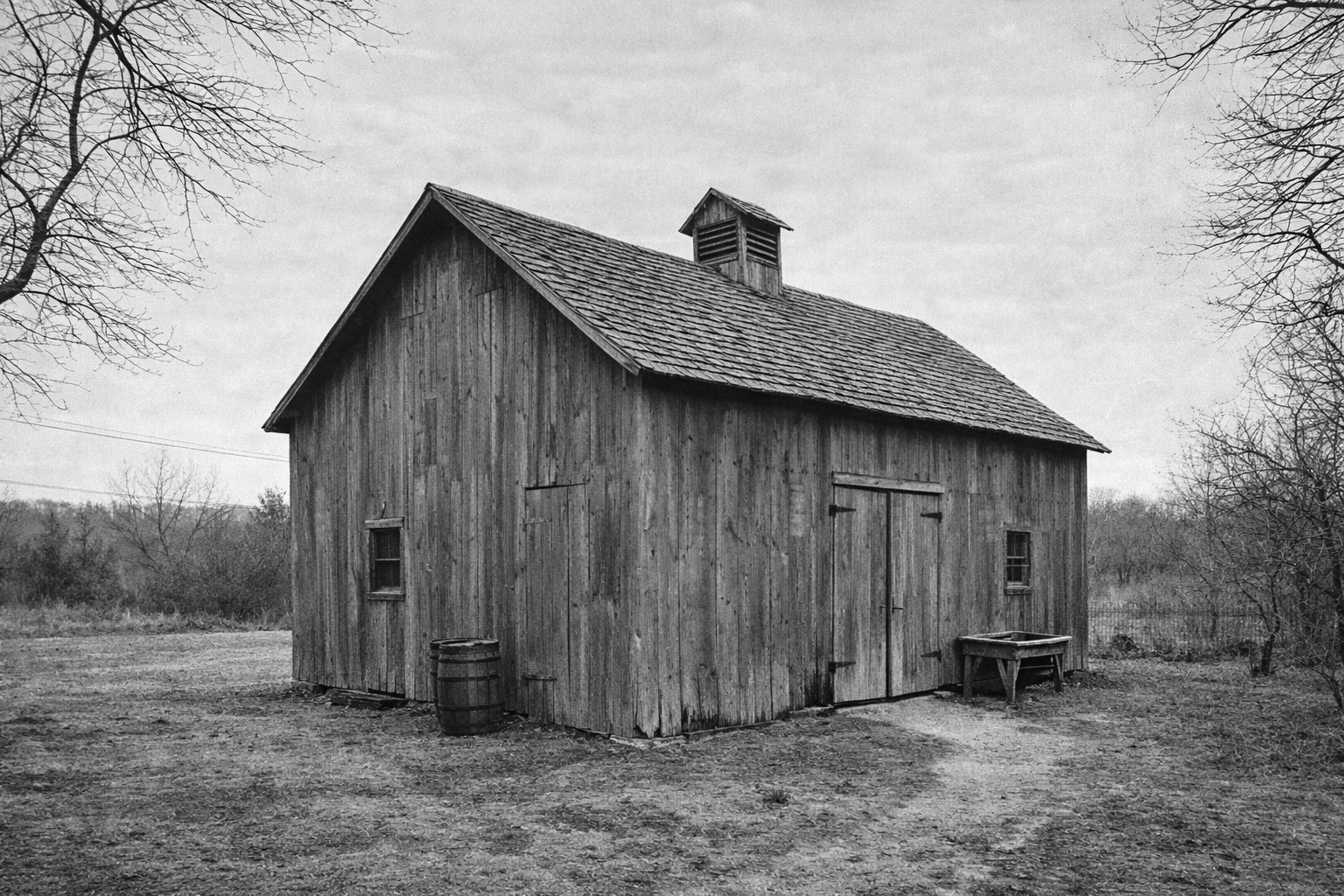
Virtual image of a barn that may be what a barn originally on the property at 10850 W J may have looked like in 1866
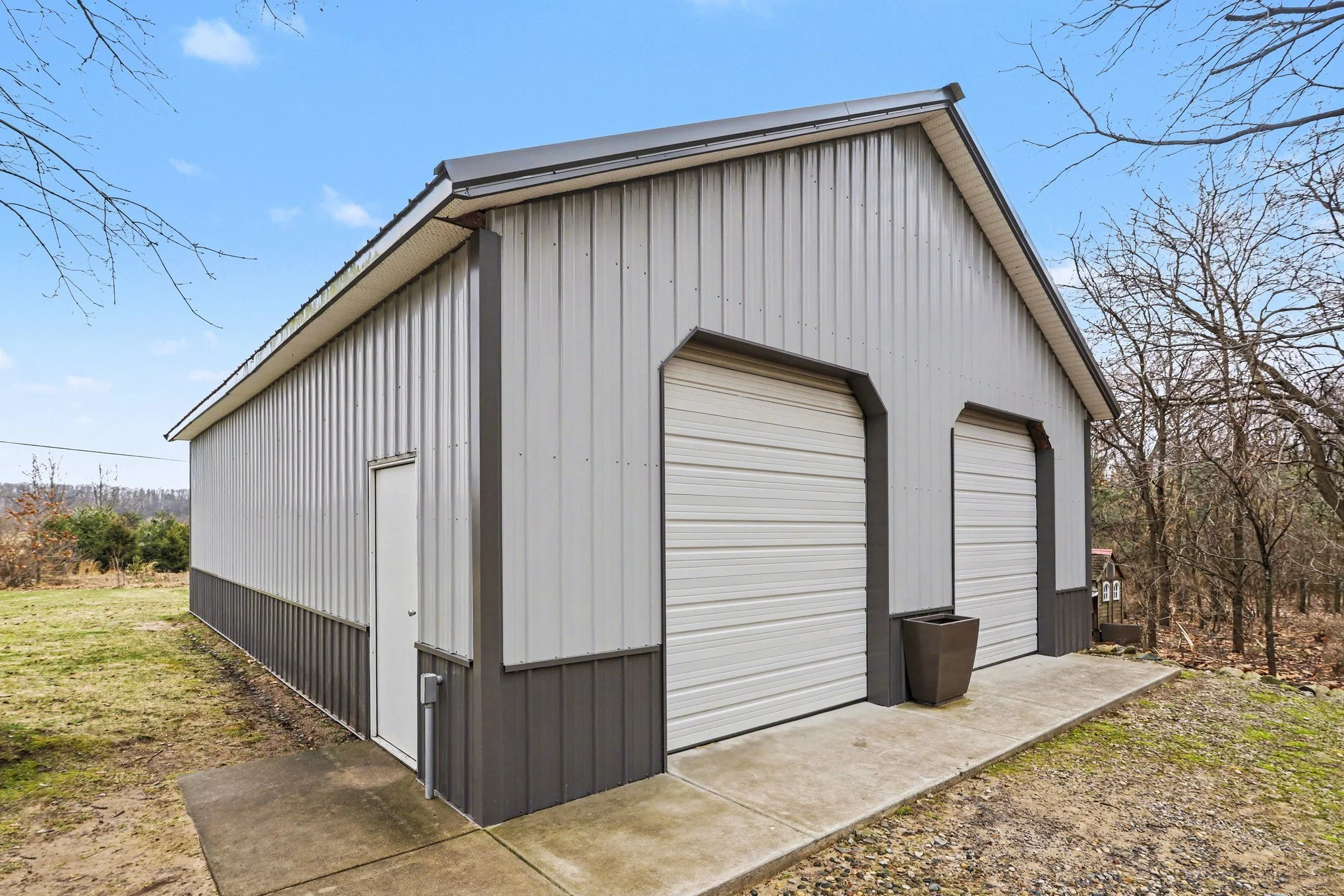
TThe pole barn at 10850 W J is 30X40 and it is on a 1.16 acre lot. Imagine what you can do with this space!
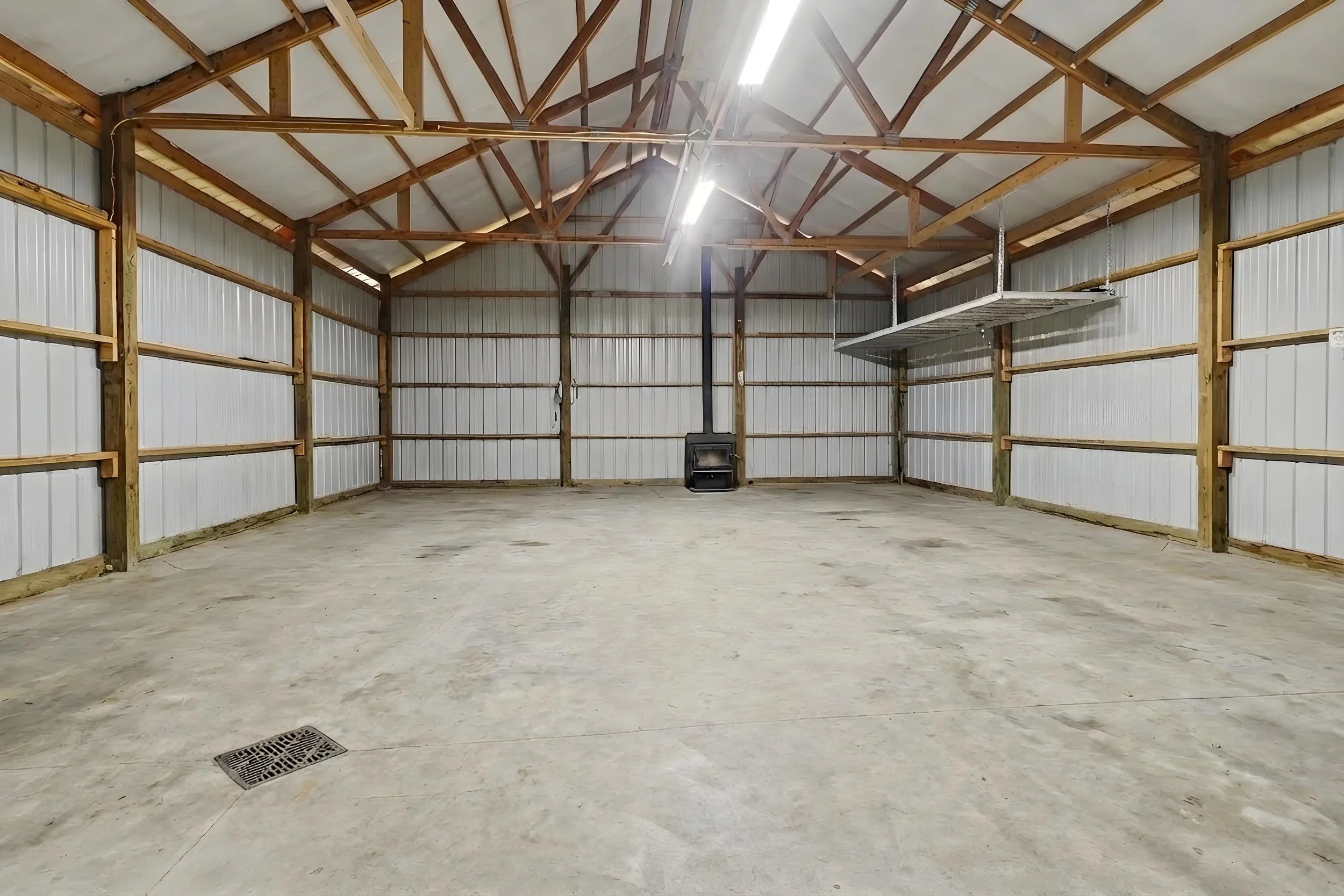
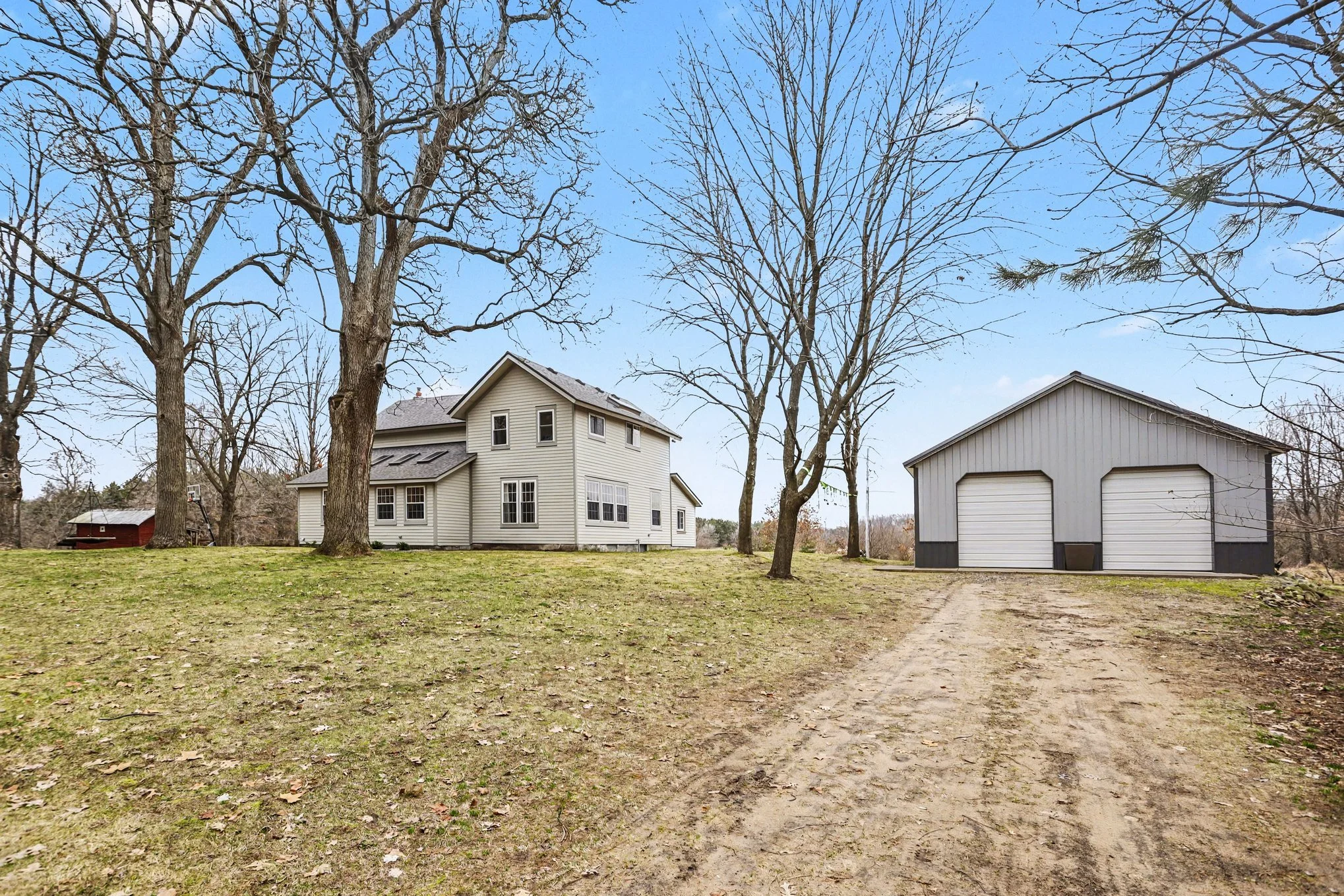
The “Homestead” at 10850 W J Ave in Kallamazoo in 2026. The building to the left on the picutre is the woodshed.
👕 What Did People Wear?
Clothing in 1866 Michigan was:
For Men:
Wool pants, suspenders, work shirts
Heavy boots
Coats or vests for layering
For Women:
Long dresses (often layered)
Aprons for daily work
Shawls or cloaks in colder months
For Children:
Smaller versions of adult clothing
Often handmade or passed down
Materials mattered:
Wool for warmth
Cotton or linen for lighter wear
👉 Everything was practical. Built to last. Repaired often. Where as in 1866 each person may have a daily outfit and a Sunday go to meeting outfit, today the house has a large primary bedroom with his and her walk in closets!
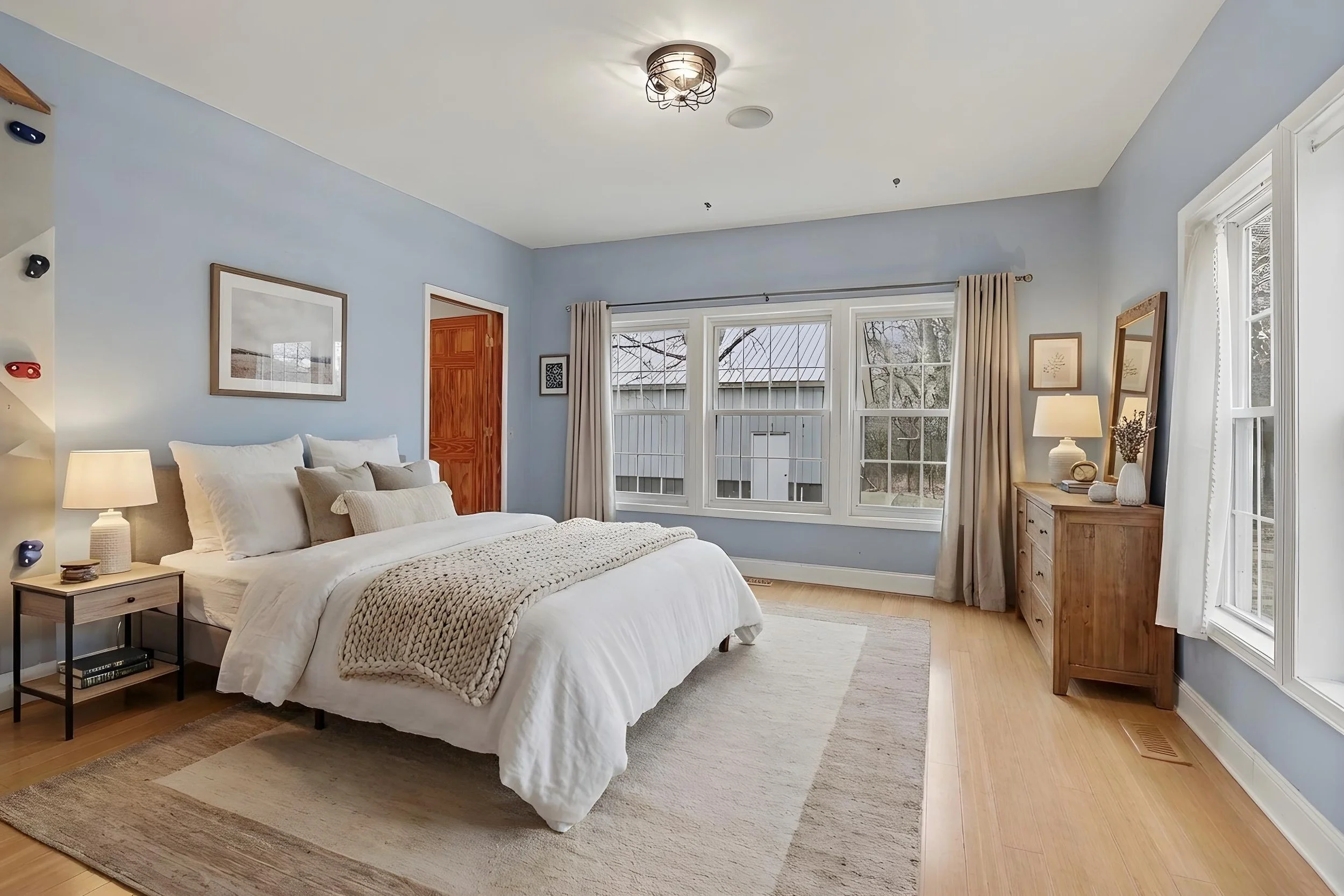
In 2026 when you walk through you will find that 10850 W J Avenue has a primary suite with 2 walk in closets to hold the abundance of clothes we all have today!
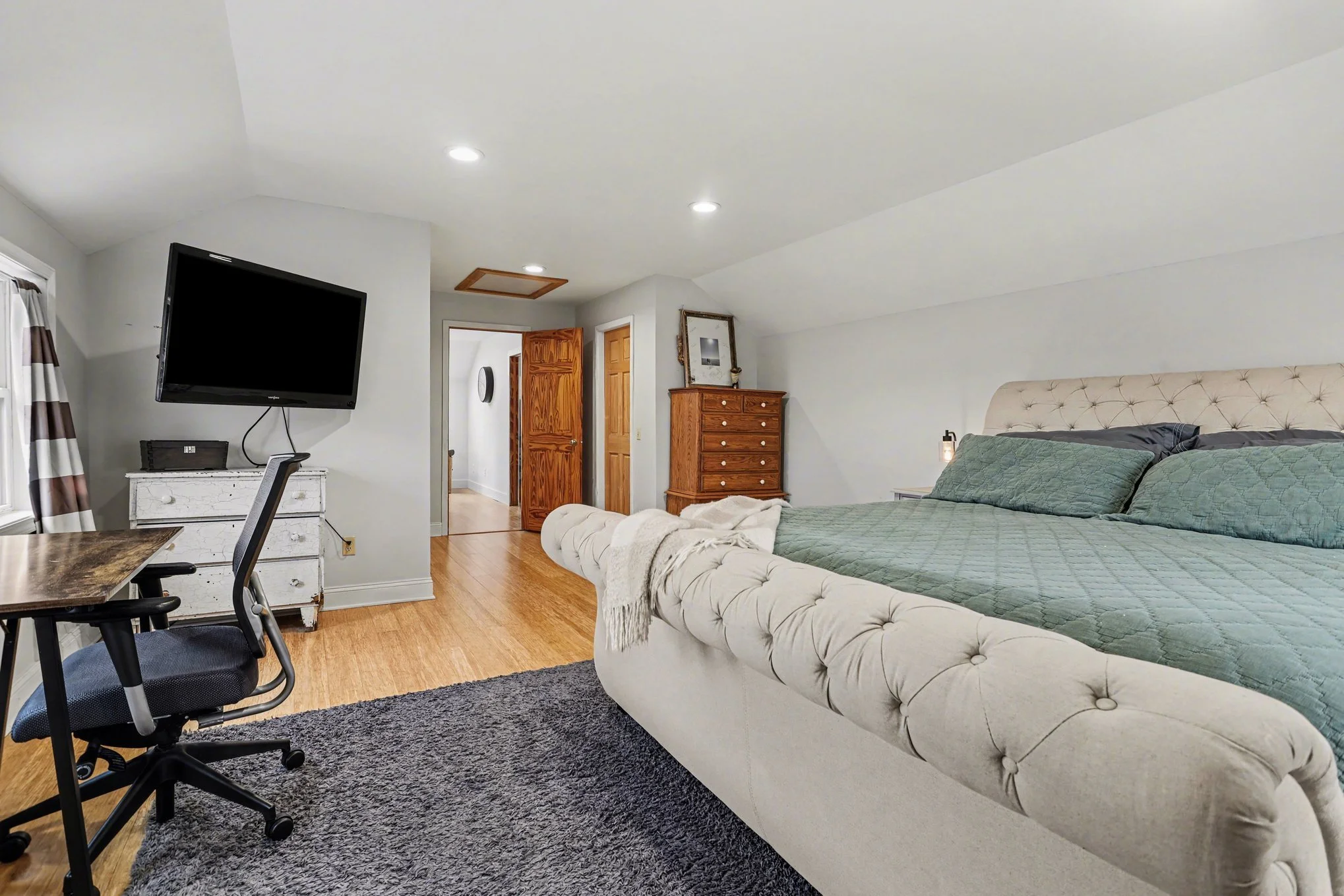
The walk in closets fram the hallway into the master suite. There is plenty of room for all the clothes we have in 2026.
🎒 What Did Kids Do for Fun?
No screens. No organized sports leagues.
But kids still played—a lot.
Common activities included:
Hoop and stick rolling games
Marbles
Jump rope and tag
Exploring woods and fields
Helping with chores (which often turned into play)
👉 Childhood wasn’t scheduled—it was woven into daily life.
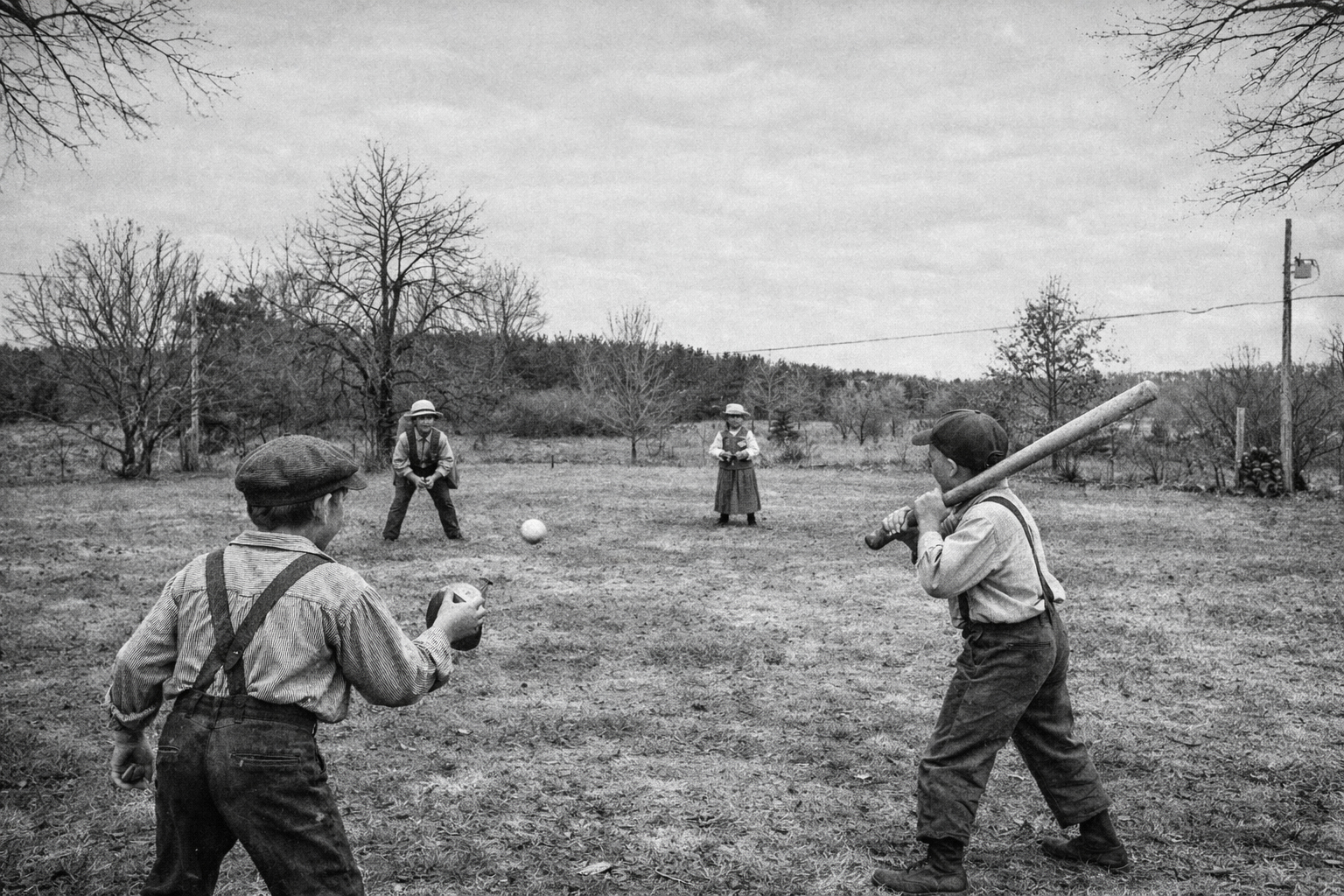
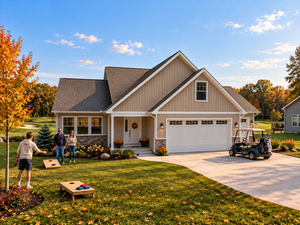
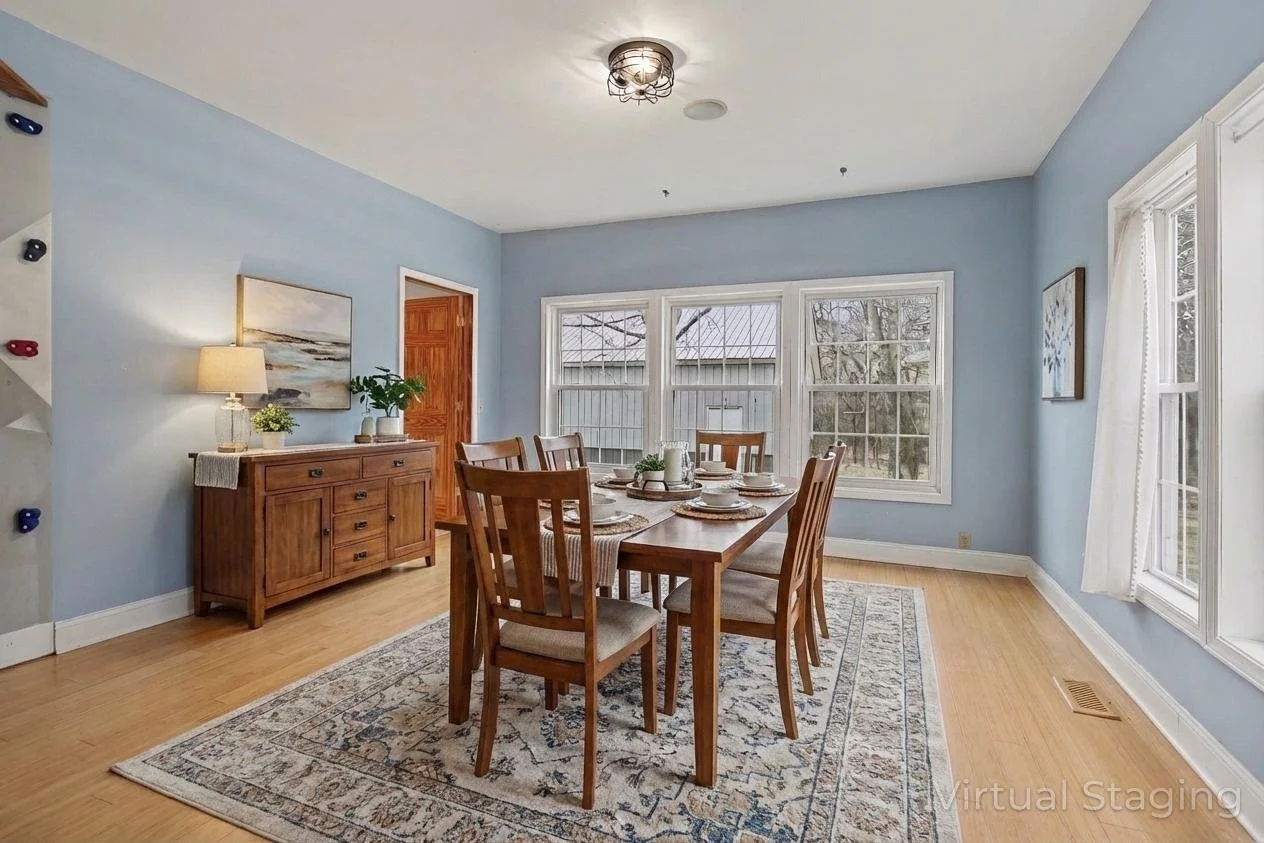
In 1866 the kids played similar games in the back. The equipment was much more crude but the fun was the same!
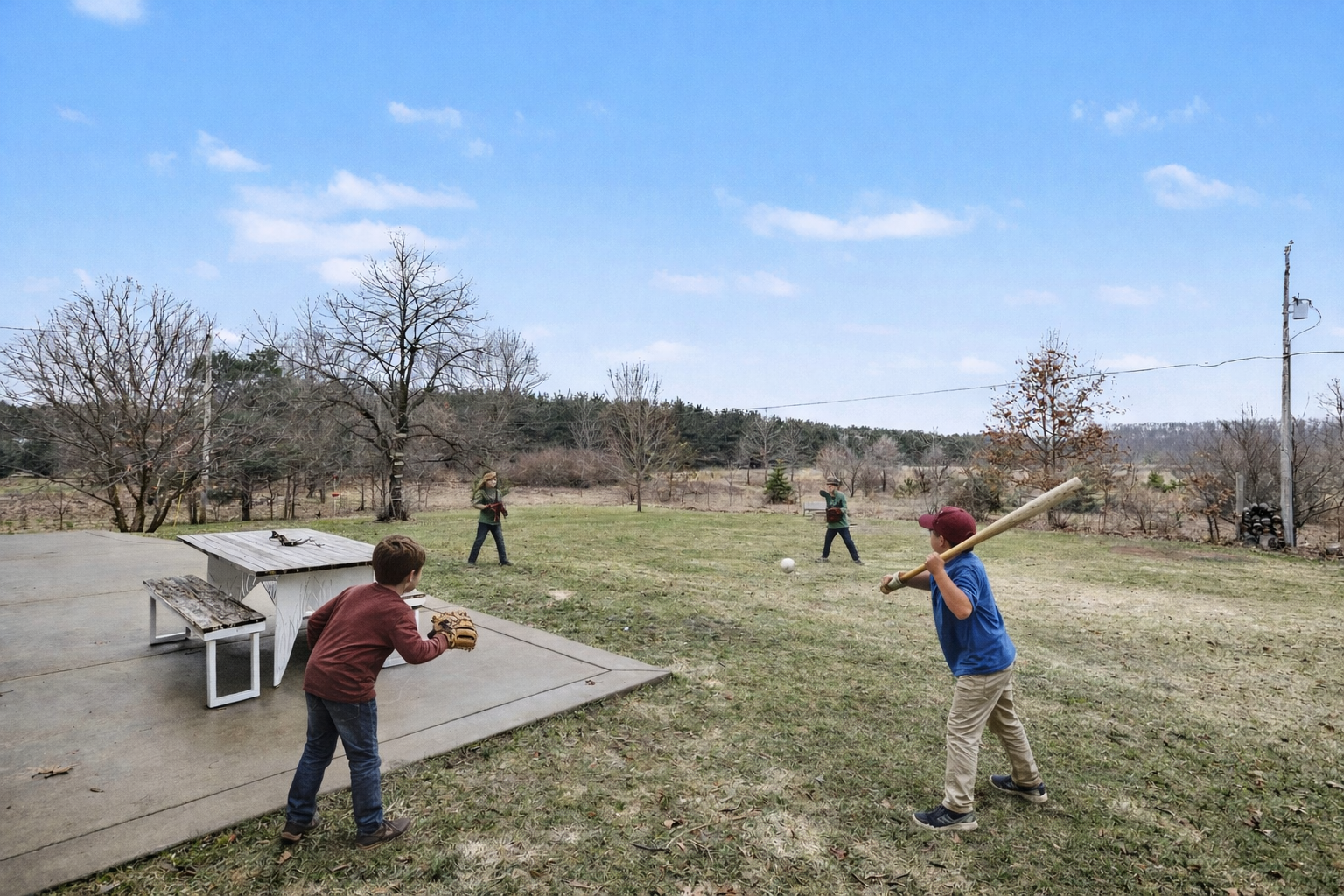
Wonderful space to play and enjoy this beautiful countryside so close to the city!
🚜 What Tools Did Farmers Use?
Farming in 1866 was labor-intensive and hands-on.
Common tools included:
Horse-drawn plows and wagons
Hand tools: axes, hoes, scythes
Wood splitting tools (still familiar today)
Early mechanical devices like hand-cranked equipment
Everything required:
Time
Strength
Skill
👉 The barn wasn’t optional—it was essential.
🌾 Daily Life Was Centered Around the Land
A typical day might include:
Cutting wood
Tending crops
Feeding animals
Repairing tools or structures
Preparing meals from scratch
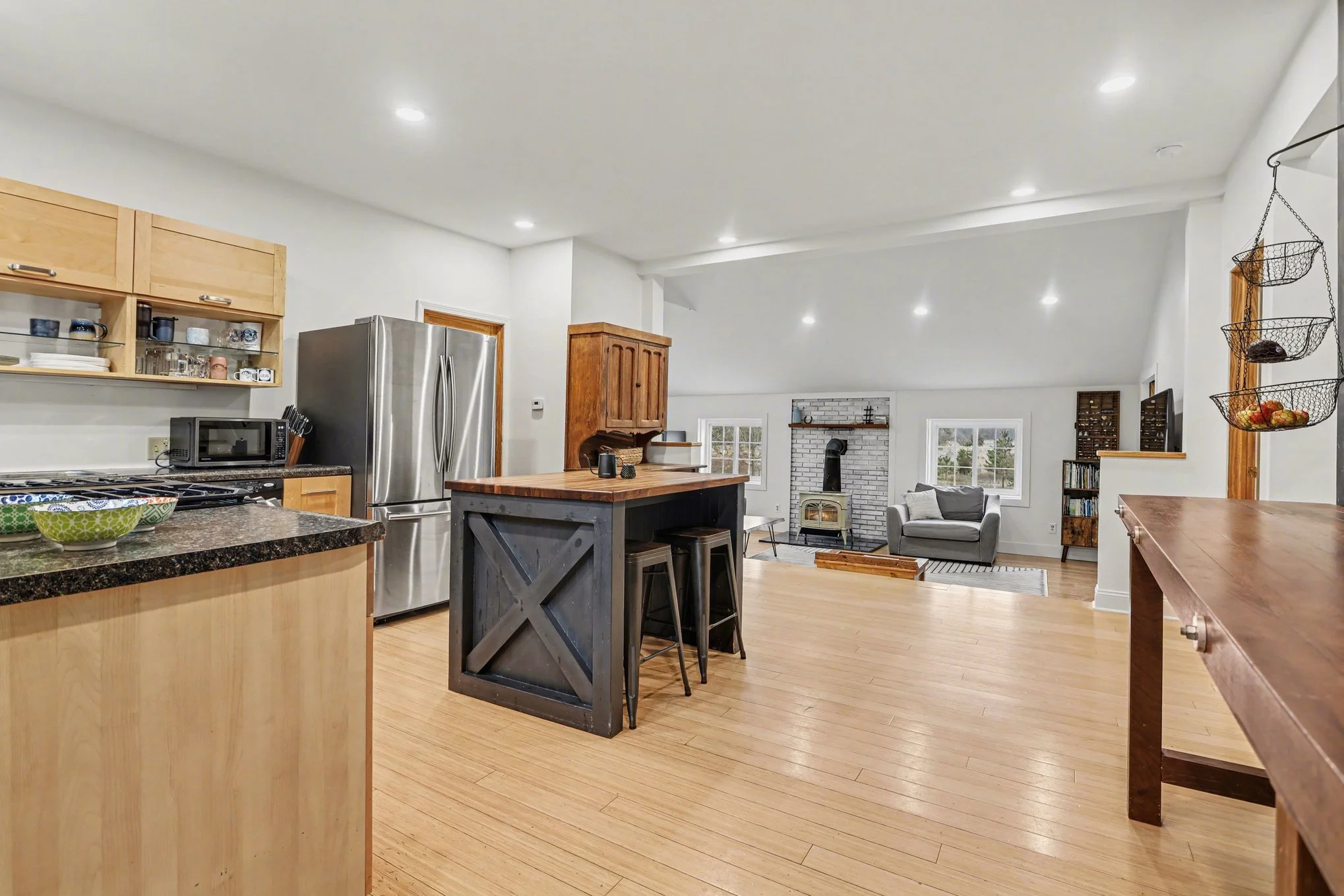
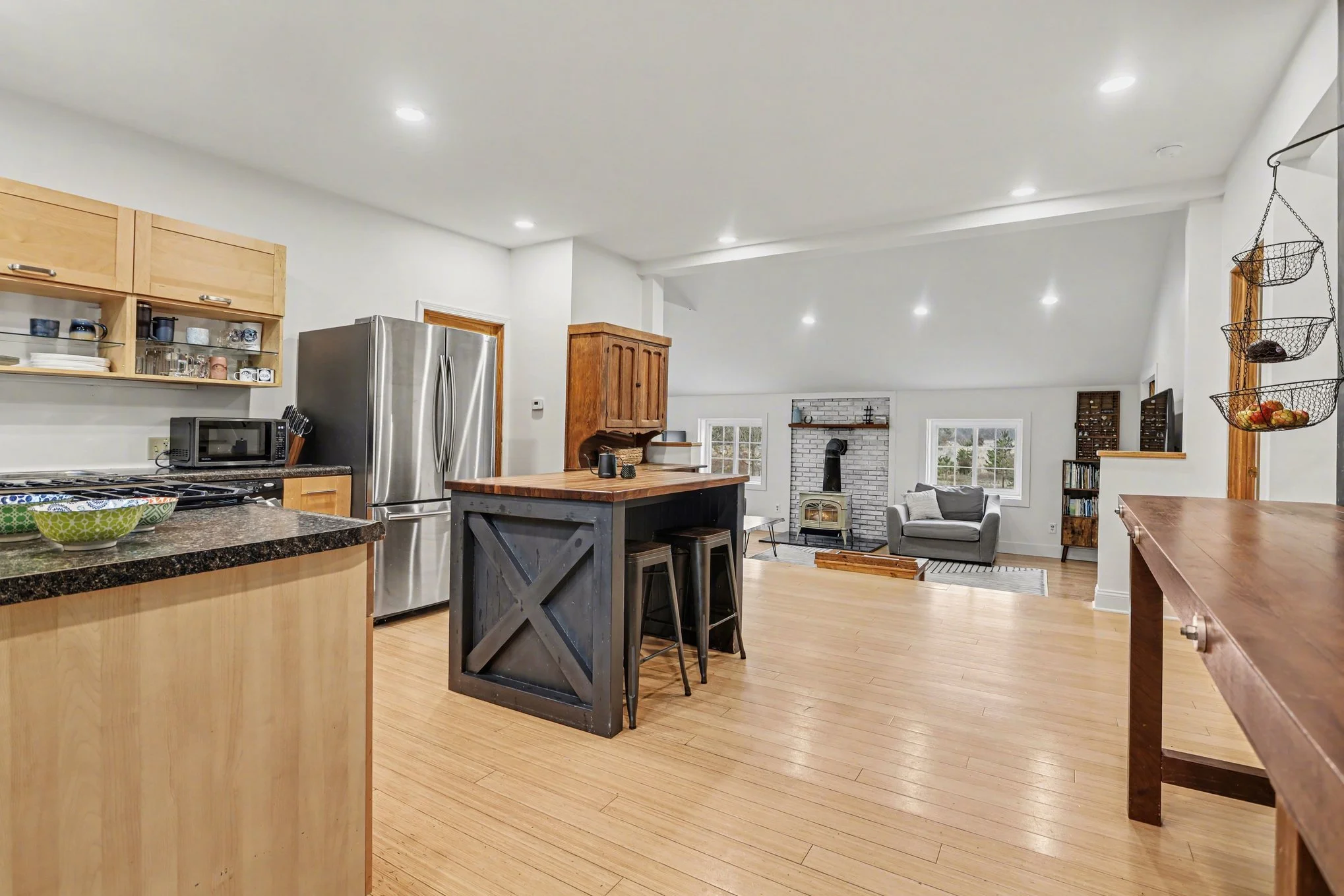
Cooking and enjoying fellowship togethre is so delightdul in this spacious and optn kitchen.
There was no separation between:
“home life” and “work life”
They were the same thing.
🧠 Why This Matters When You Walk Through This Home
When you walk through a house built in 1866, you’re not just seeing walls.
You’re seeing:
A structure built before electricity
A home heated entirely by fire
A place where every system depended on the land around it
And here’s what’s interesting…
🔄 Full Circle: Then vs Now
At 10850 W J Avenue, you can still:
Heat with wood
Store and manage fuel on your own land
Use the barn (now a pole barn) for tools and systems
Live with a level of independence most homes don’t offer
The difference?
👉 Now it’s a choice, not a necessity.
🤔 The Real Question
Some buyers walk through a home like this and think:
“That’s old.”
Others think:
“This has already proven it works.”
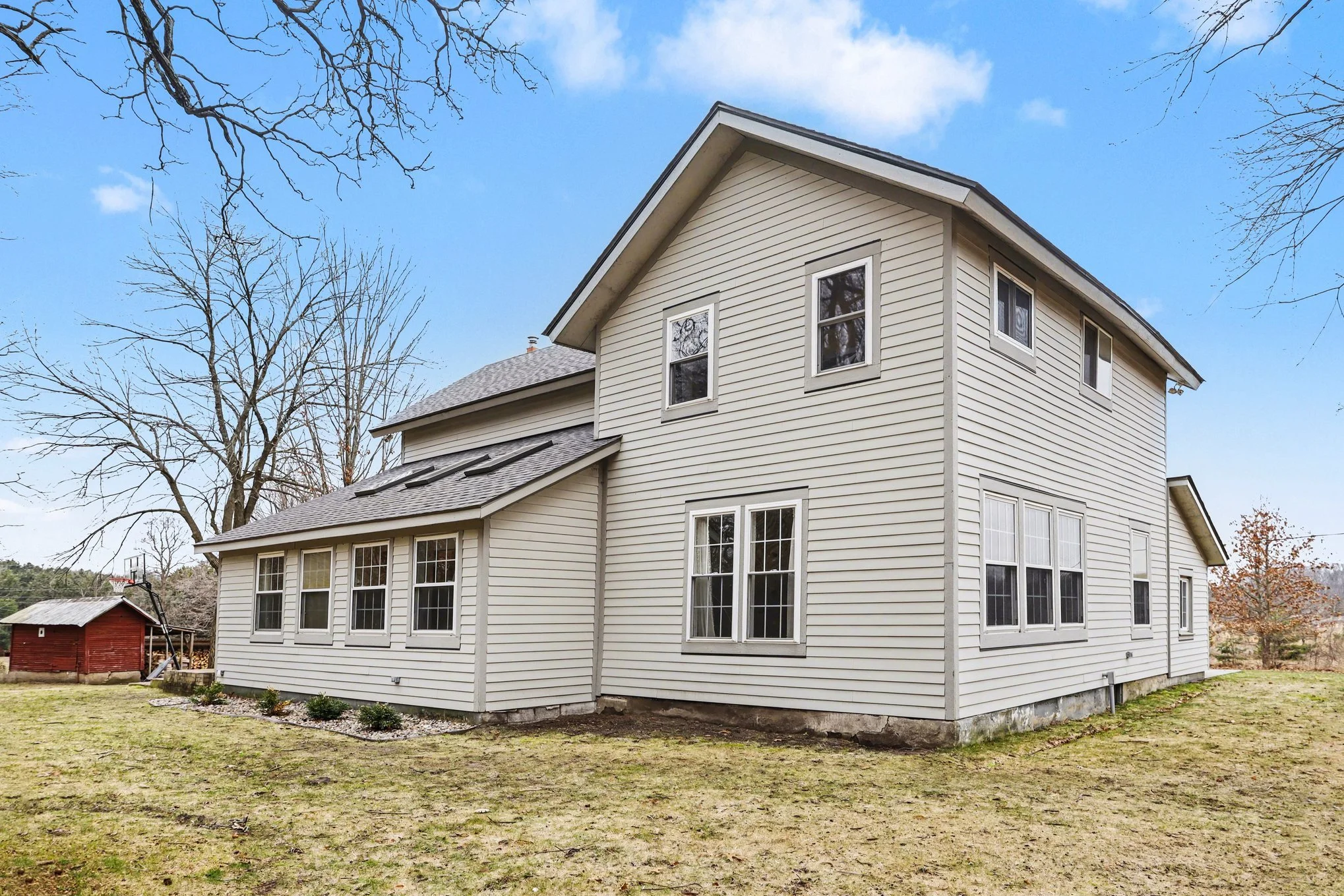
This home has stood the test of time! At 160 years old, it is only getting started.
🏡 A Home That Connects Past and Present
This property isn’t frozen in time.
It’s evolved.
But it still carries the DNA of how it was originally meant to function:
Land + shelter + utility
Effort + reward
Simplicity + durability
🔑 Final Thought
In 1866, this home was built to support life.
Not just house it.
And more than 150 years later…it still can
Click here to check out this wonderful home at 10850 W J Ave, Kalamazoo MI!
Complete this quick form to take a walk through this 1866 homestead and see if this is just what you are looking for or fee free to call 269-350-5514.
-
Life in Michigan in 1866 was centered around farming, wood heating, and self-sufficiency, with families relying on the land and local communities. Read the blog post for more answers.
-
Homes were typically built using local materials like wood and fieldstone, often constructed by hand with help from neighbors.
-
Most homes were heated with wood stoves or fireplaces, requiring families to cut, split, and store their own firewood.
-
Yes, some historic homes still exist throughout the Greater SW Mi area. The Veenstra Team can set up a search for you to be able to see only historic homes that come up for sale in any areas of Kalamazoo, Portage, Oshtemo Township, Plainwell, Otesgo, Mattwan and any other ares of SW MI. We will help you find homes offering character, land, and a connection to the past. Some of the members of the Veenstra Team live in a historic home built in the 1850s so we know and understand the joy historic homes can bring.
-
The Veenstra Team helps you explore properties that offer more than just space—they offer a story. Call or text 269-350-5514 to learn more.
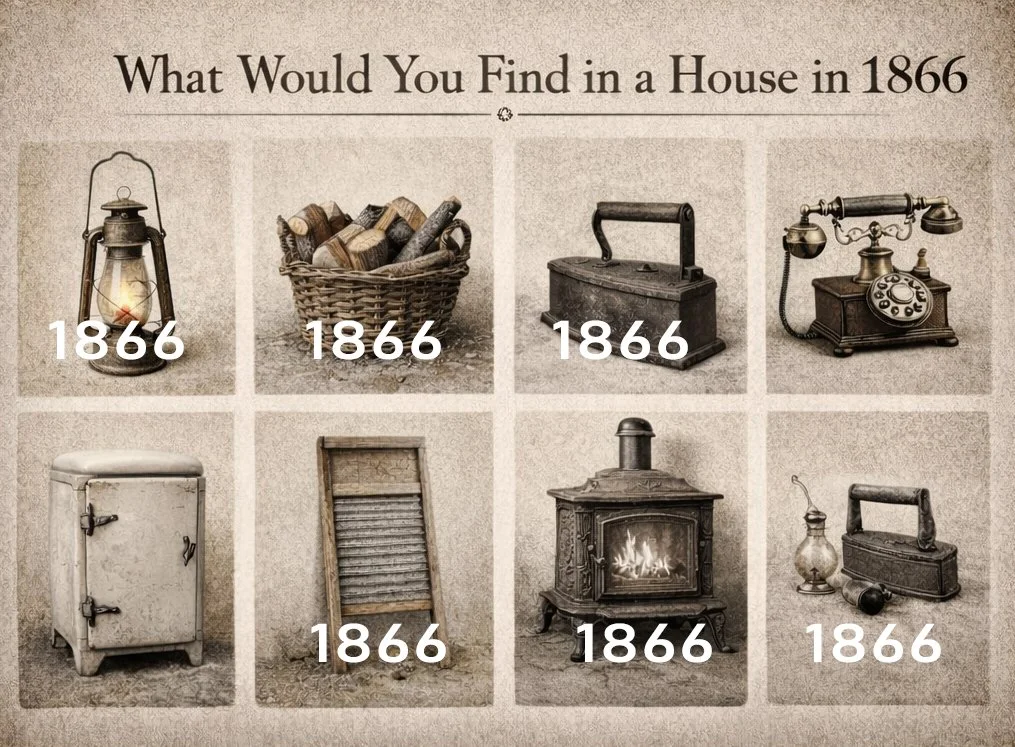
Answers to the puzzle about what things you may find in a house built in 1866.