A practical way to face the emotional, physical, logistical, and financial questions you or a loved one may have—and see what a home like 27420 Birmingham Court, Paw Paw may make possible
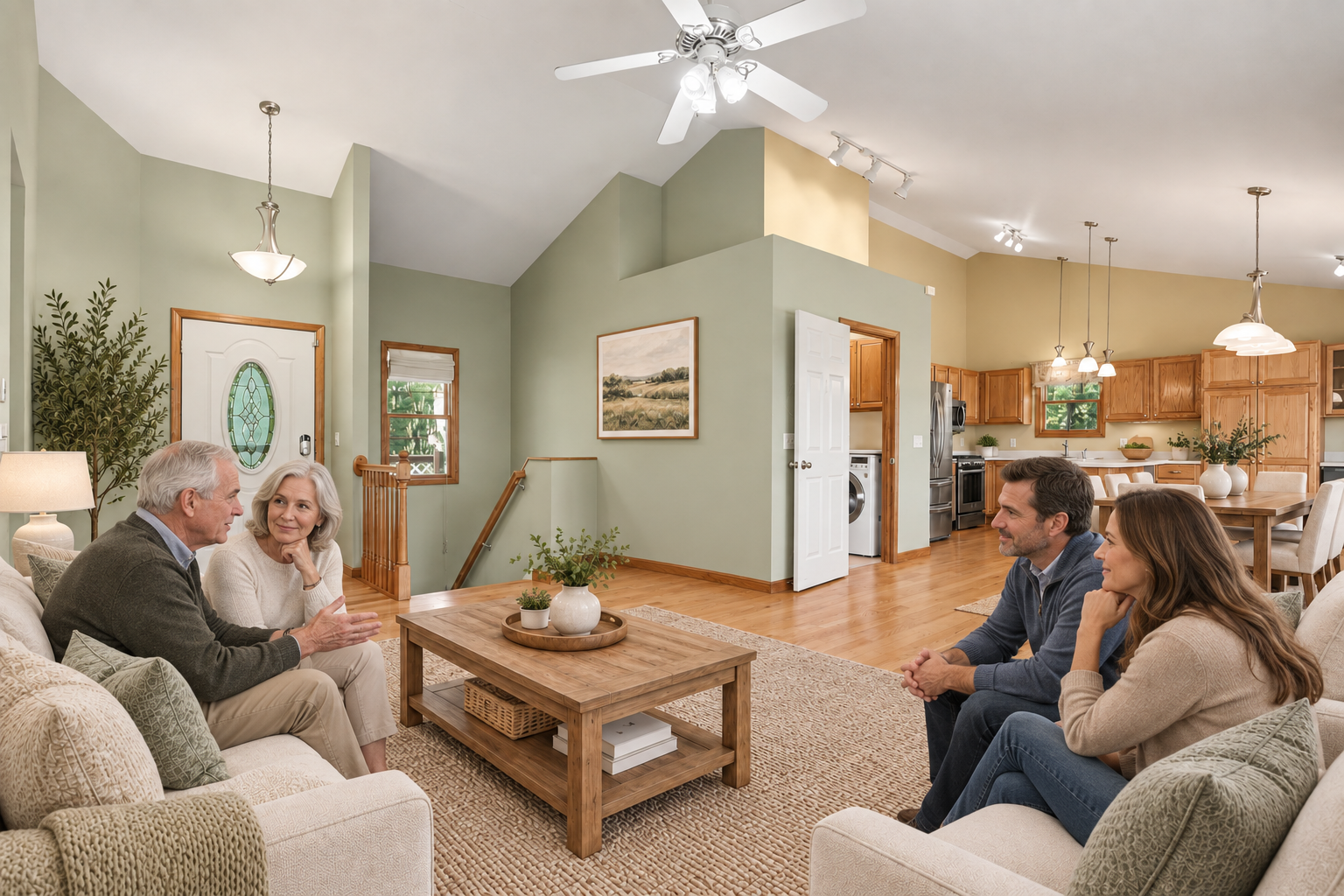
Is this the right time to downsize and is this the right house?
The decision to leave a longtime home rarely begins with a real-estate listing. It often begins with a quieter question:
How do you know when it is time to downsize or right-size your home?
Your home may hold decades of memories, family celebrations, familiar routines, and a strong sense of security. It may also be paid off, which can make moving into a more expensive home feel financially backward. At the same time, the house and property may require more time, strength, money, or attention than they once did.
Right-sizing is the process of deciding whether your current home, property, location, expenses, and maintenance responsibilities still fit the life you are living—and the life you are preparing for.
A home such as 27420 Birmingham Court, Paw Paw provides a useful real-world example. It combines main-floor living, flexible finished space, an attached garage, useful storage, several documented improvements, and a completely paid-off solar-energy system with battery backup. It will not be the right answer for everyone, but it demonstrates many of the features people begin looking for when they want a home that can serve them well now and provide options for the future.
What Is the Difference Between Downsizing and Right-Sizing?
Downsizing and right-sizing are not exactly the same decision. Downsizing usually focuses on owning less space or moving to a smaller property. Right-sizing asks a broader question:
What kind of home, location, layout, expense, and maintenance level will best support your life now and in the future?
For some homeowners, the right answer is a smaller house or condominium. For others, it may be a ranch home with main-floor living, flexible guest or caregiver space, useful storage, outdoor room, and fewer obstacles to remaining at home.
The goal is not necessarily to own less. The goal is to live in a home that asks less of you while giving you more of what you need.
How Do You Know When It Is Time to Downsize or Right-Size?
The emotional challenge is often the hardest part of right-sizing.
Your current house may be where children grew up, where holidays were celebrated, or where you and your spouse built a life together. Rooms that appear unnecessary on paper may still carry important memories. Even the yard, workshop, garage, or neighborhood may feel like part of your identity.
There may also be an understandable reluctance to admit that something has changed. A house that worked beautifully 20 years ago may no longer support everyday life in the same way. Recognizing that change is not a failure. It is an opportunity to make a thoughtful decision while you still have time, energy, and choices.
A useful starting point is not, “Do we have to move?” Instead, ask: If we were choosing a home for the next chapter of our life today, would we choose the one we currently own?
That question creates space for an honest conversation without forcing an immediate decision.
Recognize the Physical Burden You May Be Carrying
The physical demands of a home tend to increase gradually. Because the change happens slowly, homeowners may not recognize how much energy the property is consuming.
Stairs become less convenient. Yard work takes longer. Snow removal, exterior maintenance, carrying laundry between floors, cleaning unused rooms, and keeping up with repairs can begin shaping the week. Many people adjust their routines around these challenges without realizing how much of a burden they are carrying.
Sometimes the relief only becomes clear after the burden is removed.
Right-sizing does not mean that every future home must be small or maintenance-free. It means looking for a layout and property that direct your time and energy toward the parts of life you value most.
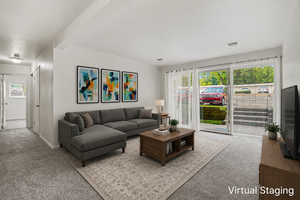
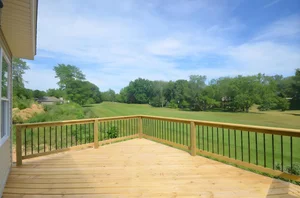
At 27420 Birmingham Court, Paw Paw, the ranch design places the primary suite and laundry on the main level. The kitchen, dining area, living space, additional bedrooms, two full bathrooms, attached two-car garage, deck, and front porch are also part of the main-floor living experience. That arrangement can reduce the number of times someone needs to use stairs during an ordinary day.
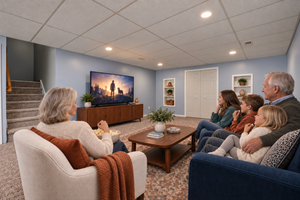
The finished daylight basement remains available for recreation, hobbies, guests, storage, or changing household needs. This creates an important right-sizing balance: everyday life can remain concentrated on the main floor without giving up the extra space that may still be useful.
Make a Plan for the Logistics of Years of Living

A longtime home contains more than furniture. It may hold family photographs, children’s belongings, inherited pieces, tools, seasonal decorations, collections, paperwork, and unfinished decisions.
That accumulation represents years of living. It should not be treated as something that must be solved in one exhausting weekend.
A manageable process begins by separating the decision to explore a move from the work of preparing to move. You do not need to empty the house before learning what your options are.
The process can unfold in stages:
Determine which belongings are essential to your daily life.
Identify meaningful items family members may want.
Separate items that can be donated, sold, recycled, or discarded.
Measure larger furniture before choosing the next home.
Create a realistic schedule instead of trying to solve everything at once.
Bring in help where it would reduce stress.
Family members can participate, but they do not need to carry the entire process. Estate-sale professionals, organizers, movers, donation services, contractors, cleaners, attorneys, financial planners, lenders, and experienced real-estate professionals can each handle a specific part of the transition.
The goal is not simply to move your possessions. It is to build a process that allows you to make decisions thoughtfully and retain control.
How Do You Buy Another Home Before Selling Your Current Home?
One of the biggest barriers to right-sizing is financial uncertainty.
Someone may own a home free and clear and feel uneasy about selling it to purchase another home with a significantly higher price. Even when the current home has substantial value, the numbers can feel confusing until the sale proceeds, moving costs, taxes, insurance, maintenance, and financing options are considered together.
The first step is a professional market analysis. A free market analysis from the Veenstra Team can help you understand what your current home may reasonably sell for and how much usable equity could be available for the next purchase.
That information can then be discussed with your financial planner, tax professional, and a knowledgeable lender. Depending on your circumstances, possible strategies may include using sale proceeds, making a substantial down payment, arranging a short-term bridge loan, using temporary financing until the current home sells, or choosing another structure that keeps the transition manageable.
A lender can also explain the difference between what you are qualified to borrow and what comfortably fits your financial plan. Those are not always the same number.
You do not need to commit to selling before having these conversations. Their purpose is to replace fear and assumptions with actual numbers.
What Should You Look for in a Right-Sized Home?
Before comparing houses, identify the needs the next house should meet.
You may want main-floor living but still need room for guests. You may want less maintenance without giving up outdoor space. You may need storage, a hobby area, an attached garage, or a yard for a pet. You may want to live closer to children, grandchildren, healthcare, shopping, recreation, or work.
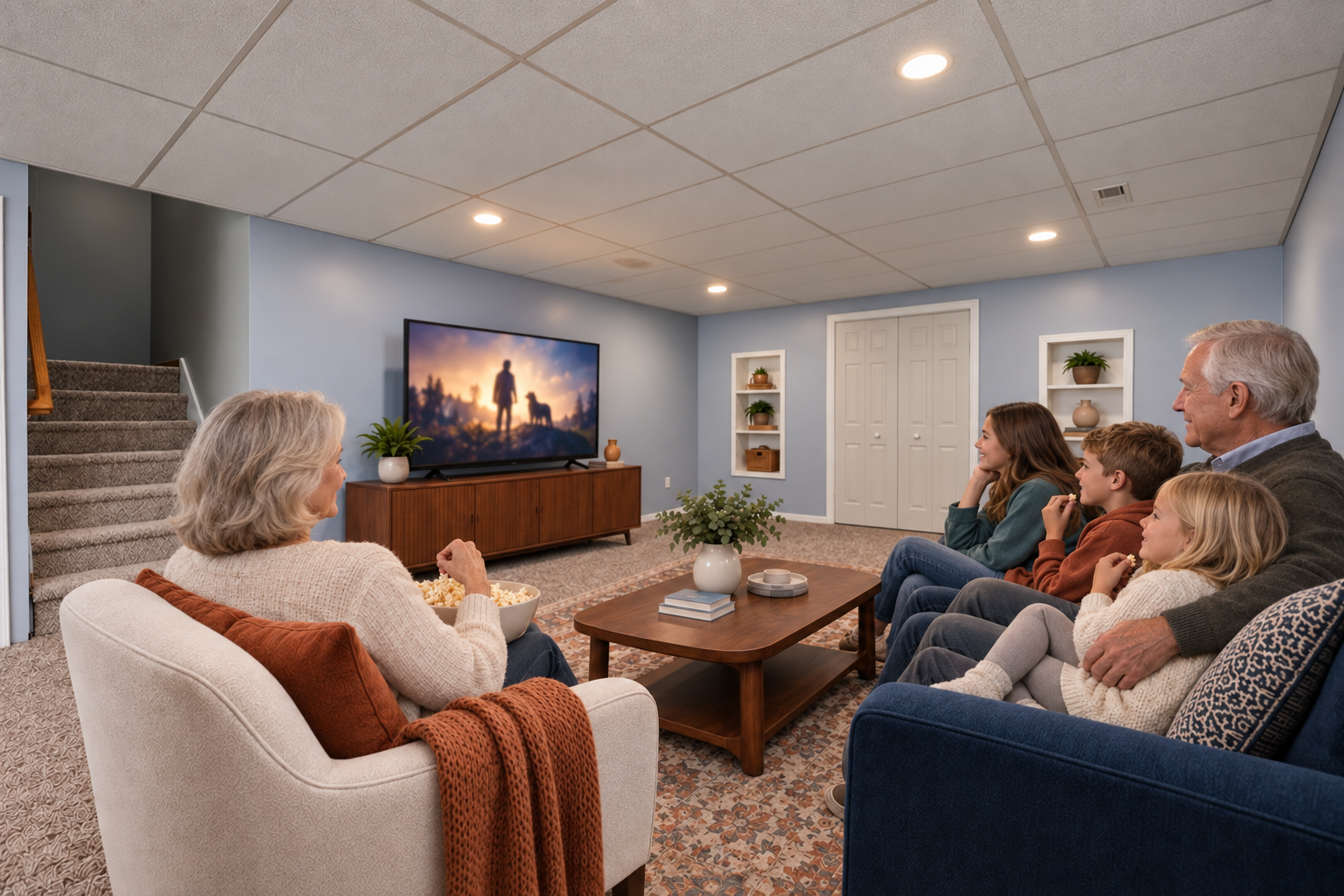
A rightsized home can still have space for your grands.
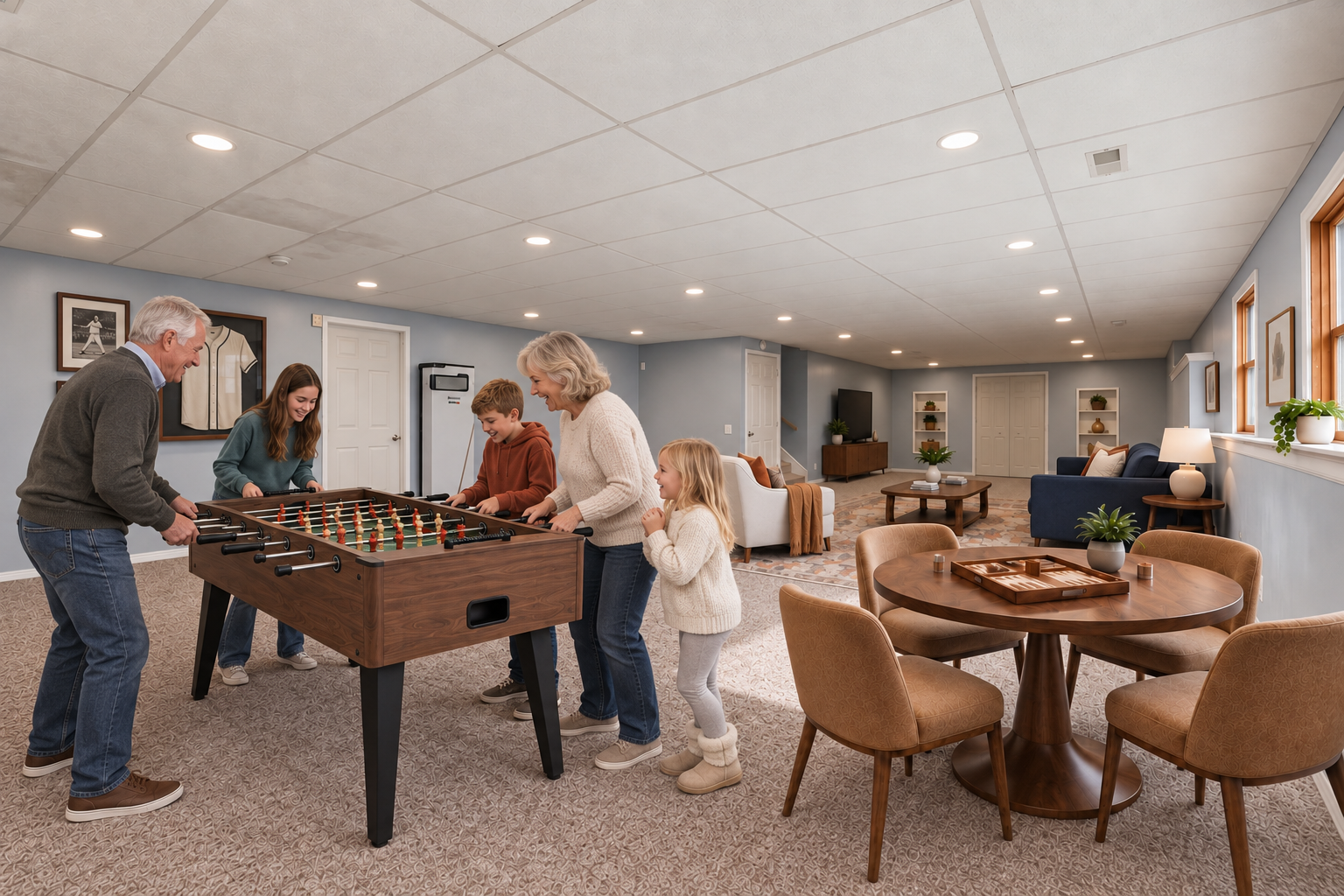
A space to create new memories.
It is also important to separate your needs into three time periods:
What would make life easier immediately?
What could become important within the next five years?
What features might preserve more options over the longer term?
27420 Birmingham Court, Paw Paw meets many common right-sizing objectives without reducing life to a tiny footprint. The home offers three bedrooms and three full bathrooms, a main-floor primary suite, main-floor laundry, an attached two-car garage, and approximately 1,302 square feet above grade. The finished daylight basement adds approximately 1,000 square feet, bringing the reported finished living area to approximately 2,302 square feet.
The kitchen includes a center island, pantry, snack bar, and connection to the dining area and backyard deck. A powered retractable awning adds shade over the deck. The approximately 0.70-acre property also includes a fenced backyard, underground sprinkling, a pondless waterfall, and a 12-by-16-foot storage shed.
This is not “smaller at any cost.” It is a layout that concentrates everyday living on one floor while retaining flexible space and storage.
A Paw Paw Location With Greater Kalamazoo Connections
Located in Antwerp Township with a Paw Paw mailing address and Paw Paw schools, 27420 Birmingham Court, Paw Paw offers convenient access to the Village of Paw Paw, I-94, local healthcare, and the Greater Kalamazoo employment and service area.
Paw Paw combines a county-seat downtown with lakes, rivers, parks, restaurants, wineries, schools, healthcare, and year-round community activities. I-94 provides a practical connection to Mattawan, Kalamazoo, Portage, and other Southwest Michigan destinations.
People who are unfamiliar with the community can request the Veenstra Team’s free Living in Paw Paw Guide. The guide explores Paw Paw schools, healthcare, employers, restaurants, lakes and rivers, parks, community traditions, Greater Kalamazoo connections, and the everyday lifestyle surrounding the village.
Can 27420 Birmingham Court, Paw Paw Support Future Accessibility Needs?

This low threshold shower does make flexibility for the future easier to consider.
Future planning is not about predicting every possible health change. It is about choosing a home that preserves options.
Many families hope to remain in their own homes instead of moving into assisted living or a nursing facility. Whether that is ultimately the best choice depends on health, finances, available support, and the level of care required. A thoughtfully designed home, however, can make remaining at home a more realistic possibility.
27420 Birmingham Court, Paw Paw offers several features that support that kind of planning. The primary suite, laundry, kitchen, living areas, additional bedrooms, and two full bathrooms are all on the main floor. The primary-suite shower has a low-step entrance, making it easier to use than a traditional tub-and-shower combination. Hardwood, tile, and vinyl flooring in several main-floor areas can also provide smoother movement through the home.
The attached two-car garage may offer another useful future option. There appears to be enough space to explore adding a wheelchair ramp from the garage entrance while retaining room to park one vehicle. Any ramp design would need to be properly measured and professionally evaluated, but the garage provides more flexibility than a narrow single-car space might allow.
The home also offers options if help is eventually needed. Three bedrooms, three full bathrooms, and the finished daylight basement create the possibility of providing a family member or caregiver with more privacy while keeping essential daily living on the main floor. The lower level could continue serving as recreation, hobby, guest, or storage space until household needs change.
These features do not make the home fully accessible, and future modifications may still be necessary. What they provide is a useful starting point. Instead of waiting for a health event to force a hurried decision, a household can choose a home that is comfortable now and adaptable later.
That is one of the most important purposes of right-sizing: not merely finding a smaller home, but finding one that leaves more choices available. If remaining at home with family assistance, professional caregiving, or future modifications becomes the preferred plan, 27420 Birmingham Court, Paw Paw offers a layout that may help make that choice possible.
Compare the Cost of Moving With the Cost of Staying
It is natural to focus on the purchase price of another home. It is equally important to calculate what staying may cost.
That includes more than the current mortgage payment. A larger or older home may require roof work, exterior maintenance, replacement windows, heating and cooling updates, appliance replacement, tree work, driveway repairs, and continued yard care. If stairs or the property become difficult to manage, homeowners may also face the cost of modifications, hired maintenance, or outside assistance.
Some costs are not found on a repair estimate. Living farther from family can require more driving and make it harder to receive help. A layout with frequent stairs may increase inconvenience and potentially contribute to fall concerns. Delaying a move can mean making the same transition later, when there is less energy to sort, prepare, and make decisions.
27420 Birmingham Court, Paw Paw includes several documented updates that may help reduce some immediate ownership concerns. Available records reference a high-efficiency, two-stage variable-speed furnace installed in 2022, a water softener from 2022, a garage-door opener and kitchen updates from 2020, and several appliance updates completed during earlier years.
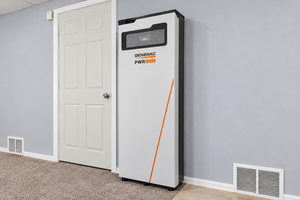
The home also includes a completely paid-off solar-energy system with Generac battery storage. There is no solar payment for the buyer to assume. The documented system includes 21 solar panels, a Generac PWRcell battery, an inverter, and a backup-load panel serving selected household circuits.
Twelve electric statements covering September 2025 through August 2026 show approximately $806 in total current electric charges—an average of about $67 per month during that period. Future costs and energy use will vary, but the records provide meaningful context when evaluating ongoing household expenses.
The battery system is also designed to support selected circuits during a utility outage. That does not eliminate ordinary maintenance or utility costs, but it adds another layer to the home’s long-term planning story.
Invite Other People Into the Decision
A right-sizing decision does not need to be made alone.
Adult children or other trusted family members may notice practical concerns that have become invisible through familiarity. A financial planner can evaluate how a move fits retirement income and long-term resources. A lender can explain temporary and permanent financing options. An attorney or accountant may help with estate, ownership, or tax questions.
Skilled professionals can contribute information without taking control of the decision.
The most productive conversations begin with the homeowner’s goals. Family members and professionals should help clarify the options, not pressure someone into a decision before they are ready.
It may also help to tour a few homes before deciding whether to sell. Seeing actual alternatives can make the conversation more concrete. You may discover that a move offers more advantages than expected—or conclude that staying and modifying the current home is the better answer.
Either conclusion can be valuable when it is based on clear information.
No Pressure From the Veenstra Team—But the Market Has Its Own Timing
Many people delay these conversations because they are concerned that contacting a REALTOR® will lead to pressure to list their home or make a decision before they are ready.
That is not how the Veenstra Team works.
There is no cost for an initial consultation and no obligation to hire the Veenstra Team. The purpose of the conversation is to help you understand your present home, your possible next steps, and the opportunities that may be available. You remain in control of the decision.
However, the Veenstra Team cannot remove the pressure created by market conditions. Well-priced homes that offer the features buyers are looking for can still sell quickly—sometimes within only a few days. That means it is helpful to begin the financial, family, lending, and real-estate conversations early.
You may want to tour a property such as 27420 Birmingham Court, Paw Paw before you feel completely ready to move or before you have made a final decision about right-sizing. Exploring a particular home does not obligate you to purchase it. It gives you real information about what is available, what a different home could offer, and whether the opportunity is worth considering while it is still available.
Preparation creates more choices. Waiting until every emotional and logistical question has been settled may mean that a strong opportunity has already passed.
What If 27420 Birmingham Court, Paw Paw Is Not the Right Home?
27420 Birmingham Court, Paw Paw is a strong example of the features many people seek when right-sizing, but it is not the only possible solution.
You may need a condominium with exterior maintenance included. You may want a smaller yard, a different community, a newer home, a true no-step entrance, or a home closer to a specific family member. You may decide to build a home designed around your future needs. You may discover that your present home can be modified in a practical way.
The Veenstra Team begins with a conversation about your life, priorities, finances, current property, and future plans. From there, we can help you evaluate your home’s likely market value, identify realistic alternatives, connect you with trusted professionals, and build a step-by-step plan.
Then we walk alongside you while you find the solution that fits.
Frequently Asked Questions About Downsizing and Right-Sizing
How do I know when it is time to downsize my home?
It may be time to explore your options when maintenance, stairs, unused rooms, operating costs, distance from family, or future mobility concerns begin affecting everyday life. Exploring those options does not obligate you to move.
Is right-sizing the same as downsizing?
Not necessarily. Downsizing generally means moving to a smaller home. Right-sizing means finding the home, property, location, expense level, and maintenance responsibilities that fit your present life and future plans. The right home may be smaller, but size is only one consideration.
Can I buy another home before selling my current home?
Possibly. Depending on your equity, income, assets, and financial position, a lender may be able to discuss bridge financing, temporary financing, or another strategy for coordinating the two transactions. A free market analysis can provide an estimate of the equity that may be available from your present home.
What home features can support future mobility needs?
Main-floor living, a low-step shower, manageable flooring transitions, an attached garage, space to consider a future ramp, flexible caregiver space, and access to healthcare and essential services can all preserve future options.
Can a home provide space for a family member or caregiver?
It may. Extra bedrooms, bathrooms, and finished living areas can help create privacy and flexibility for a family member or professional caregiver. The specific arrangement should be evaluated against the household’s needs and any applicable requirements.
Do I need to be ready to sell before contacting the Veenstra Team?
No. The initial consultation is free, and there is no obligation to hire the Veenstra Team. The purpose is to help you understand your home’s potential value, explore available properties, identify possible financing strategies, and begin making decisions before a time-sensitive situation develops.
How can I learn more about living in Paw Paw?
Ask the Veenstra Team for a free copy of the Living in Paw Paw Guide. It includes information about Paw Paw schools, healthcare, employers, restaurants, lakes, rivers, parks, community traditions, Greater Kalamazoo connections, and everyday life in the area.
How can I tour 27420 Birmingham Court, Paw Paw?
Call the Veenstra Team at 269-350-5514 to arrange a private tour. Touring the home does not obligate you to purchase it. It gives you an opportunity to evaluate the main-floor layout, primary suite, low-step shower, garage possibilities, finished basement, storage, outdoor space, solar-energy system, and other features in person.
Explore 27420 Birmingham Court, Paw Paw and the Paw Paw Community
If you would like to learn more about the community before deciding whether Paw Paw could fit your plans, ask the Veenstra Team for a free copy of the Living in Paw Paw Guide.
If the features at 27420 Birmingham Court, Paw Paw sound like they may fit your present or future needs, call the Veenstra Team to arrange a private tour. Walking through the home can help you evaluate how the layout and features would function for your household.
Explore Your Right-Sizing Options Without Pressure
You do not need to decide today that you are moving.
You can begin by learning:
What your present home may be worth.
What you would likely have available after a sale.
What homes with the right features actually cost.
Which financing or bridge options may be available.
What support is available for sorting, preparing, selling, and moving.
Whether 27420 Birmingham Court, Paw Paw—or another property—could better fit the next chapter of your life.
Call the Veenstra Team, REALTORS® at 269-350-5514 to:
Request a free, no-obligation right-sizing consultation.
Receive a free copy of the Living in Paw Paw Guide.
Arrange a private tour of 27420 Birmingham Court, Paw Paw.
Request a free market analysis of your present home.
Explore other homes that may better fit your needs.
There is no pressure and no assumption that moving is automatically the right answer. The goal is to give you a clear path to actual opportunities, reliable information, and the confidence to make a wise real-estate decision.