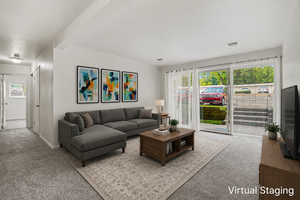
If you’ve been browsing homes online recently, you may have noticed something new appearing in listings: virtually staged photos.
Sometimes these images are created using AI-assisted tools that add furniture and décor to empty rooms so buyers can better visualize how the space might function.
But occasionally buyers ask a fair question:
“Are these photos misleading?”
It’s a good question — and one worth answering honestly.
Why This Question Is Coming Up More Often
Technology has changed real estate marketing quickly.
Just a few years ago, staging meant physically moving furniture into a house. Today, digital tools can create the same visual effect much faster and at a fraction of the cost.
But whenever technology enters a process like this, it raises concerns:
Are the photos accurate?
Is something being hidden?
Could the home look different in person?
Those are reasonable questions.
The truth is that good agents don’t use virtual staging to hide anything. They use it to help buyers interpret spaces that can otherwise be difficult to understand.
The Real Issue: Empty Homes Are Hard for Many Buyers to Read
One of the biggest surprises we see when showing homes is how differently people experience empty rooms.
Without furniture, buyers often struggle to judge:
Room size
Furniture placement
Traffic flow
How spaces connect to each other
Many buyers walk into an empty home and say something like:
"This room feels smaller than I expected."
In reality, the room hasn’t changed — it just lacks visual reference points.
That’s why staged photos exist: they help people see how a room might actually function.
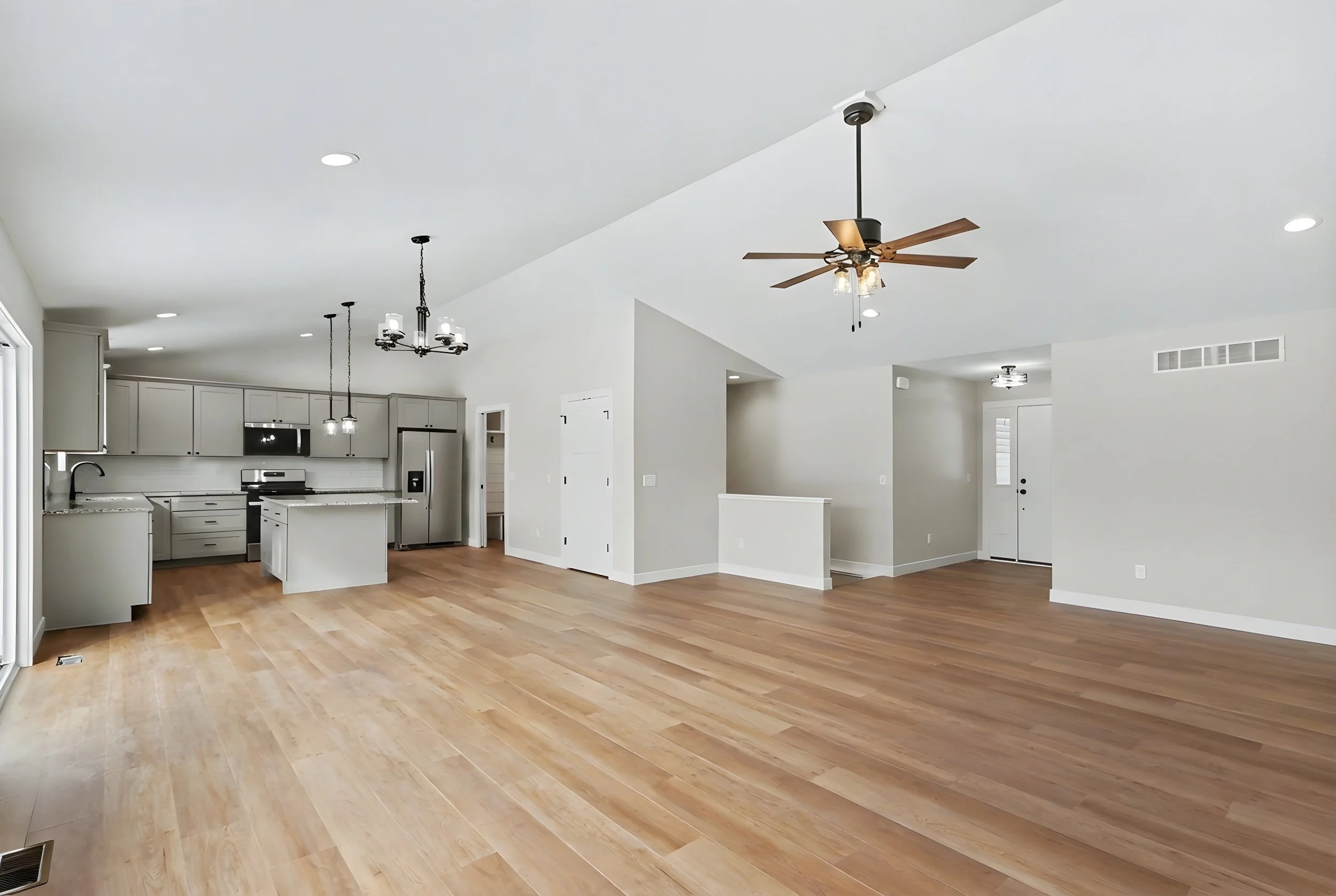
This is the actual photos of the kitchen and great room of 8663 Camomile in Augusta. It is hard to get perspective on the size of the room.
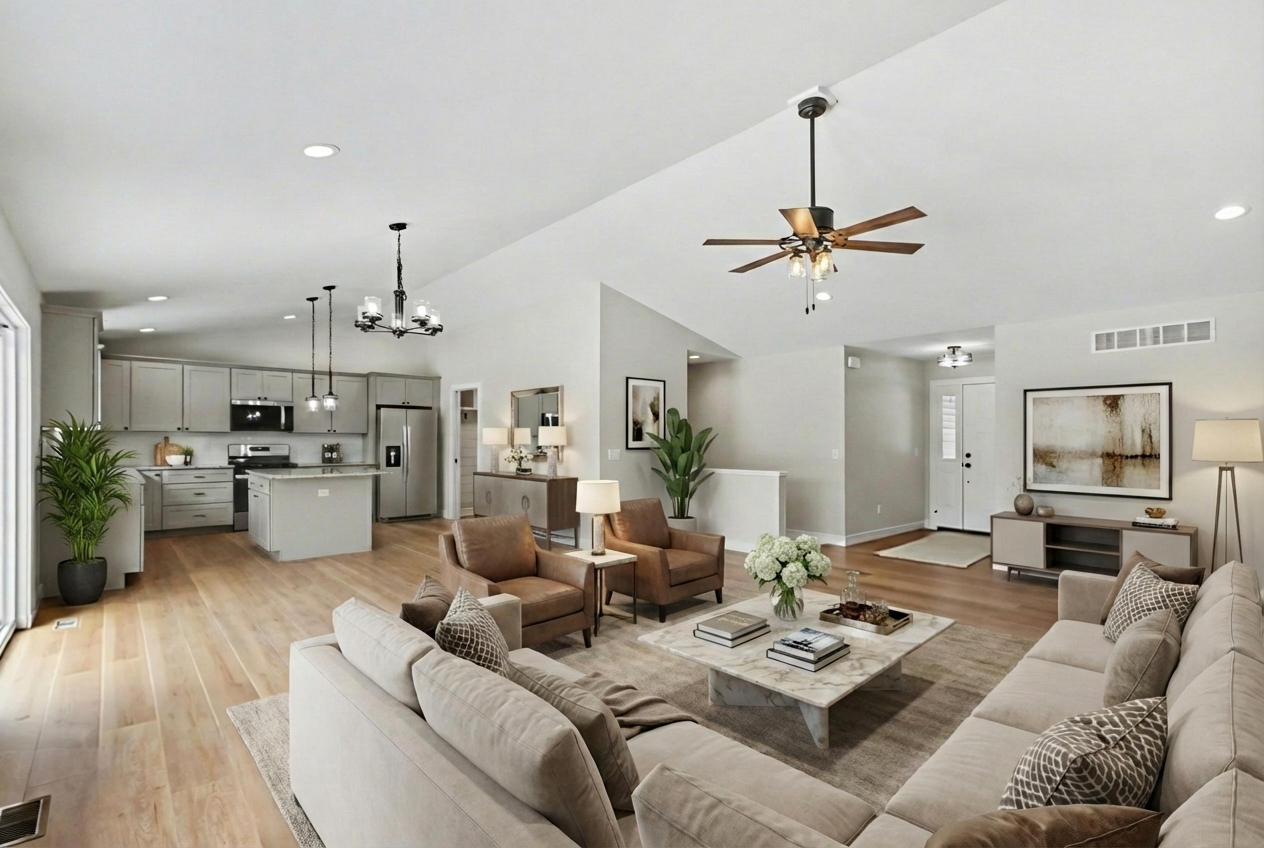
The virtually staged room - Now, with the furniture,you can understand that this room is actually a very large room.
AI Is Helpful — But It’s Not Perfect
Another important thing to understand is that AI staging tools aren’t flawless.
Occasionally the software may make small changes that weren’t intended. A cabinet edge might shift slightly, a detail might be simplified, or a small visual element may not render exactly right.
When we receive virtually staged photos back, we review them carefully, but sometimes subtle details can slip through.
If we ever notice something inaccurate, we correct it.
But it’s also important to remember that these images are not meant to be architectural drawings or exact design plans.
Their purpose is much simpler:
To help buyers imagine how they might live in the space.
The Most Important Photos Are Still the Original Ones
Responsible listings should always show the real room first.
At the Veenstra Team, our practice is simple:
Show the actual vacant room
Then show staged examples of how the space could be used
This allows buyers to see both:
The true layout and condition of the room
The possible lifestyle use of the space
Nothing replaces seeing the home in person.
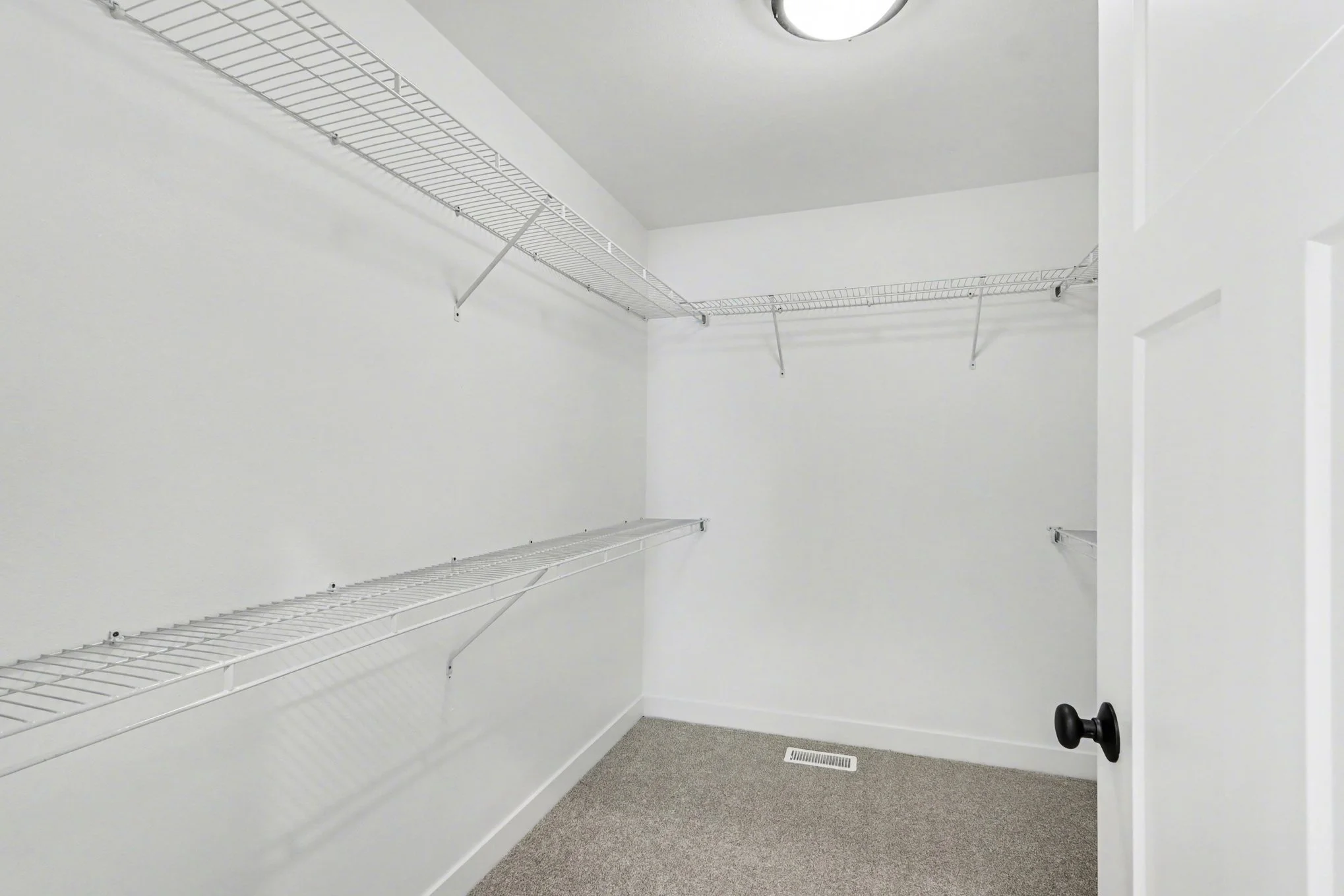
It is hard to judge the size of this empty closet.
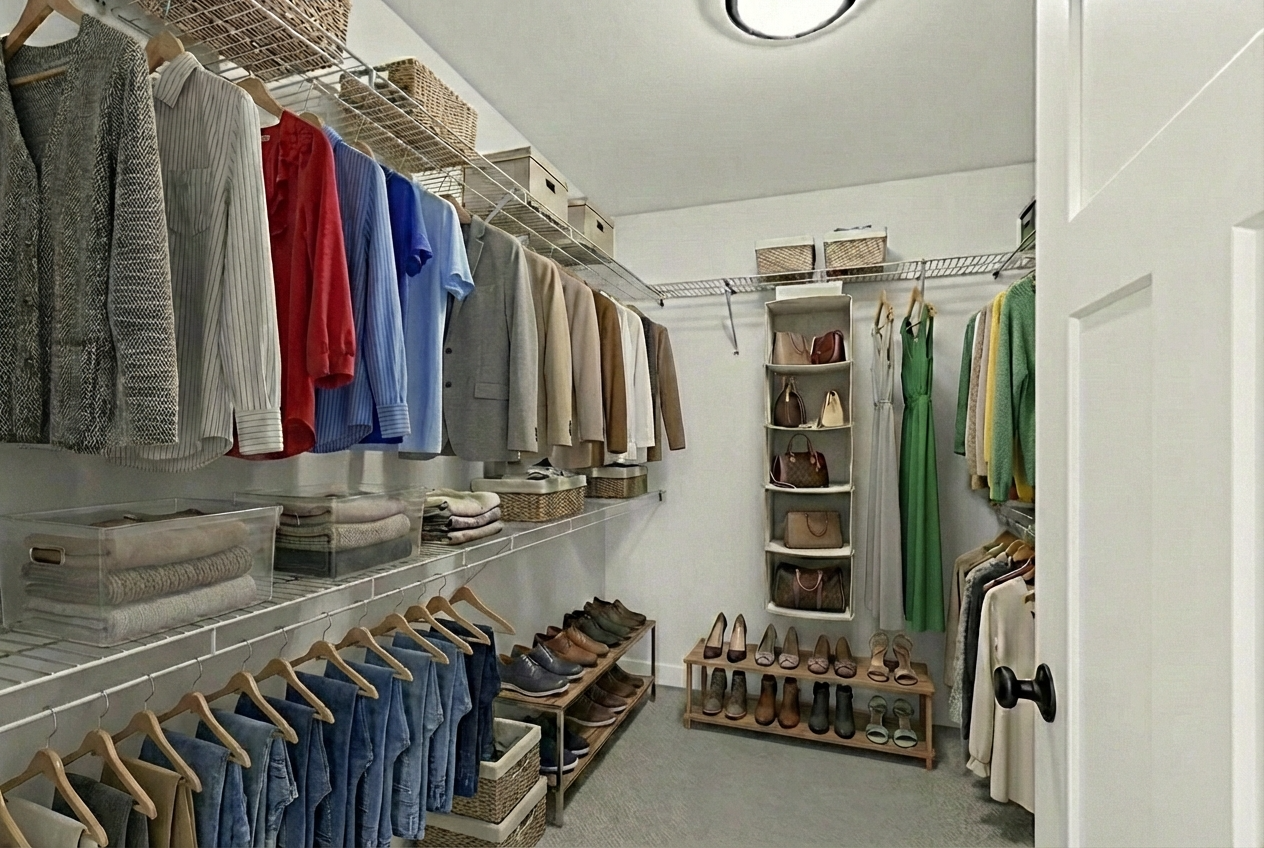
Having the clothes hanging in the closets helps you judge the size of this walk in closet.
A Helpful Way to Think About Virtually Staged Photos
Think of virtual staging the same way you would think about looking at a model home.
Model homes are beautifully furnished to help people imagine living there. But buyers understand that the furniture itself is not part of the property.
Virtual staging does the same thing — just digitally.
It answers questions like:
Could this room work as a home office?
Where would a dining table go?
How might a living room be arranged?
These are the kinds of questions buyers are really trying to answer when they look at listing photos.
The Bottom Line
AI and virtual staging tools are simply visualization tools.
They should never be used to change the structure of a home or hide the condition of a property. But when used responsibly, they can help buyers understand a space more clearly and decide whether a home might work for them.
At the Veenstra Team, our focus is always the same:
Helping buyers and sellers see the home clearly and make confident decisions.
Sometimes that means showing the room exactly as it sits.
Sometimes it means also showing what the room could become.
Both perspectives can be helpful.
Thinking About Selling a Home in Southwest Michigan?
If you're preparing to sell a home in Kalamazoo, Portage, Texas Township, Alamo Township, Augusta, Hastings, Middleville, or Battle Creek, we’d be happy to walk through how homes are best presented in today’s market.
Every home is different. Sometimes staging helps. Sometimes it doesn’t.
Our goal is always the same:
help buyers understand the property clearly and attract the right buyer for the home.
📞 Call or text: 269-350-5514
📧 sold@veenstrateam.com
Or reach out for a 15-minute conversation to see if working together might make sense.