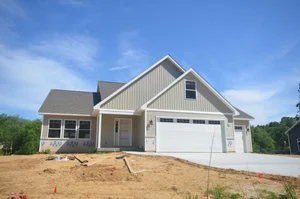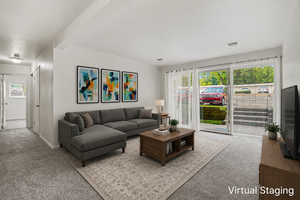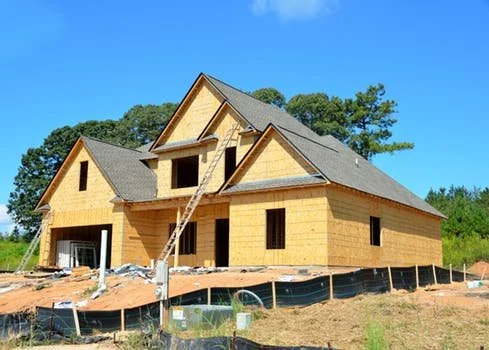
Building a home in SW MI with the Veenstra Team as your build buyer agent.
Building a new construction home in Southwest Michigan is exciting — but financing it is very different from buying an existing home. Construction loans, cash purchases, draw schedules, and selling your current home all create moving parts that need to be coordinated carefully. The good news? When you understand how the financing works and have the right team, like the Veenstra Team, in place, the process becomes clear and manageable. Below, we’ll walk you through what to expect and how to prepare.
Purchasing a New Construction Home with Cash
Purchasing your new construction home with cash can simplify the financing side of the build — no underwriting delays, no appraisal surprises, and often a smoother closing process. But for many buyers in Southwest Michigan, “cash” really means equity coming from the sale of a current home. That’s where strategy matters. We offer a free, data-driven market valuation and marketing consultation so you have a clear understanding of what your home could realistically sell for — and just as importantly, when it makes sense to bring it to market. There is no one-size-fits-all timeline. The right approach depends on your equity position, build schedule, local market conditions, and your comfort level with risk. At the Veenstra Team, we help you build a customized plan so the timing, the numbers, and the transition all work together to accomplish your goal with clarity and confidence.
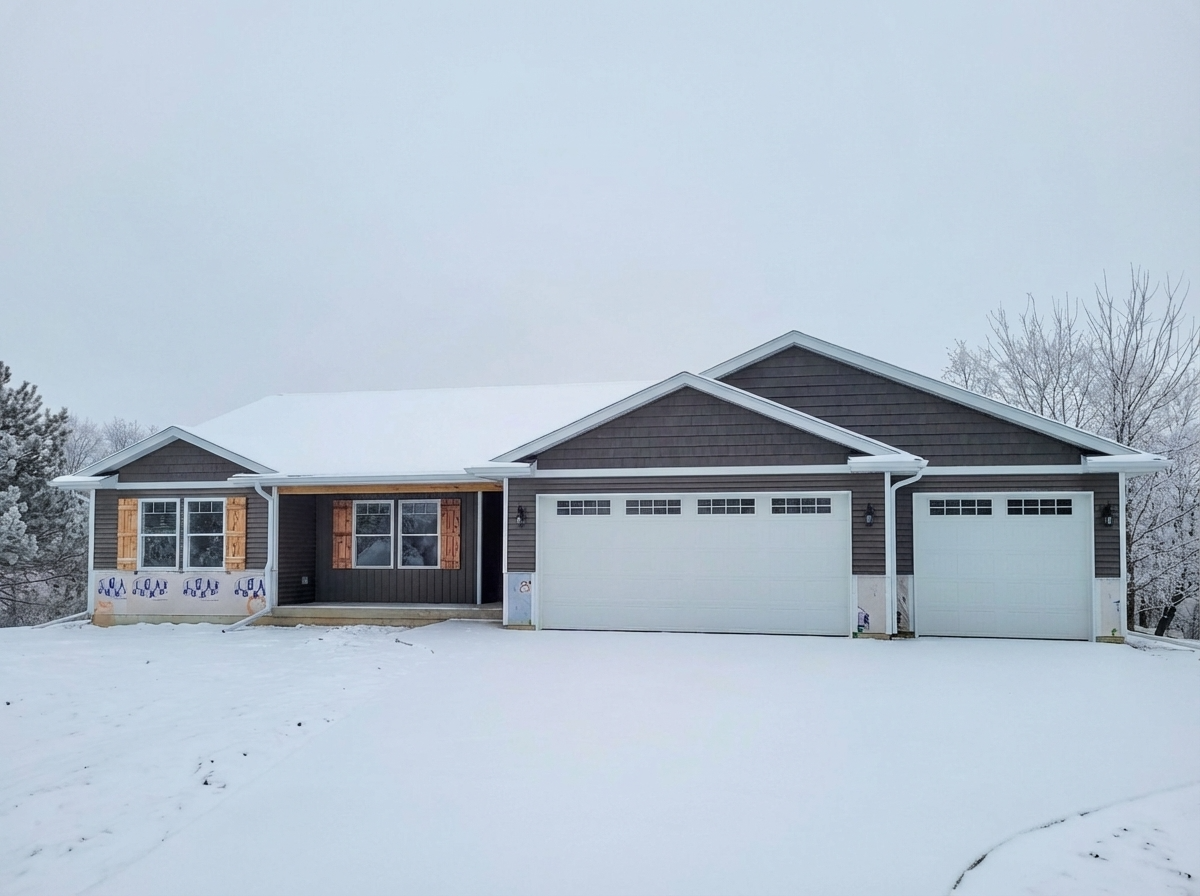
Winter is a time when builders have to have done great planning for so they can contue building all year.
How do I Prove to the Builder That I Have the Cash to Sign a Contract to Build?
Any ONE of the following is often sufficient:
· Recent bank statement with name of institution and your name integrated on the statement (not hand written)
· Letter from a bank or wealth advisor confirming available liquid funds
· Brokerage statement showing cash or near-cash assets (money market, treasury funds)
· CPA or financial advisor letter (less common, but accepted)
Key requirements
• Funds must be liquid or readily accessible
• Builders are not evaluating net worth — only ability to fund the build as scheduled
Why is Cash Typically a Simpler Way to Build a House?
There’s no loan application, underwriting, appraisal, or interest rate risk. That often means fewer delays and a faster path to closing.
Will There Be A Structured Payment Schedule if I Build a House with Cash?
Even with cash, builders typically use a draw schedule, where payments are made at specific construction milestones. The builder will specify this when the contract is prepared. Expect that you may need to provide draws to the builder at times like:
· Initial earnest/build deposit at contract signing
· Non-refundable design or selection changes or upgrades
· Foundation completion
· Framing
· Drywall
· Final completion
In the contract with the builder you should expect to see clear payment amounts with defined due dates before each draw. You should also expect that there will be clear default language if a buyer fails to fund a stage on time.
What is Sometimes More Challenging when you Pay Cash for a New Construction Contract?
You’re responsible for managing cash flow, upgrading costs, and change orders. Cash does not mean everything is included. You should expect clear documentation of what’s included what’s optional, and how upgrades are handled.
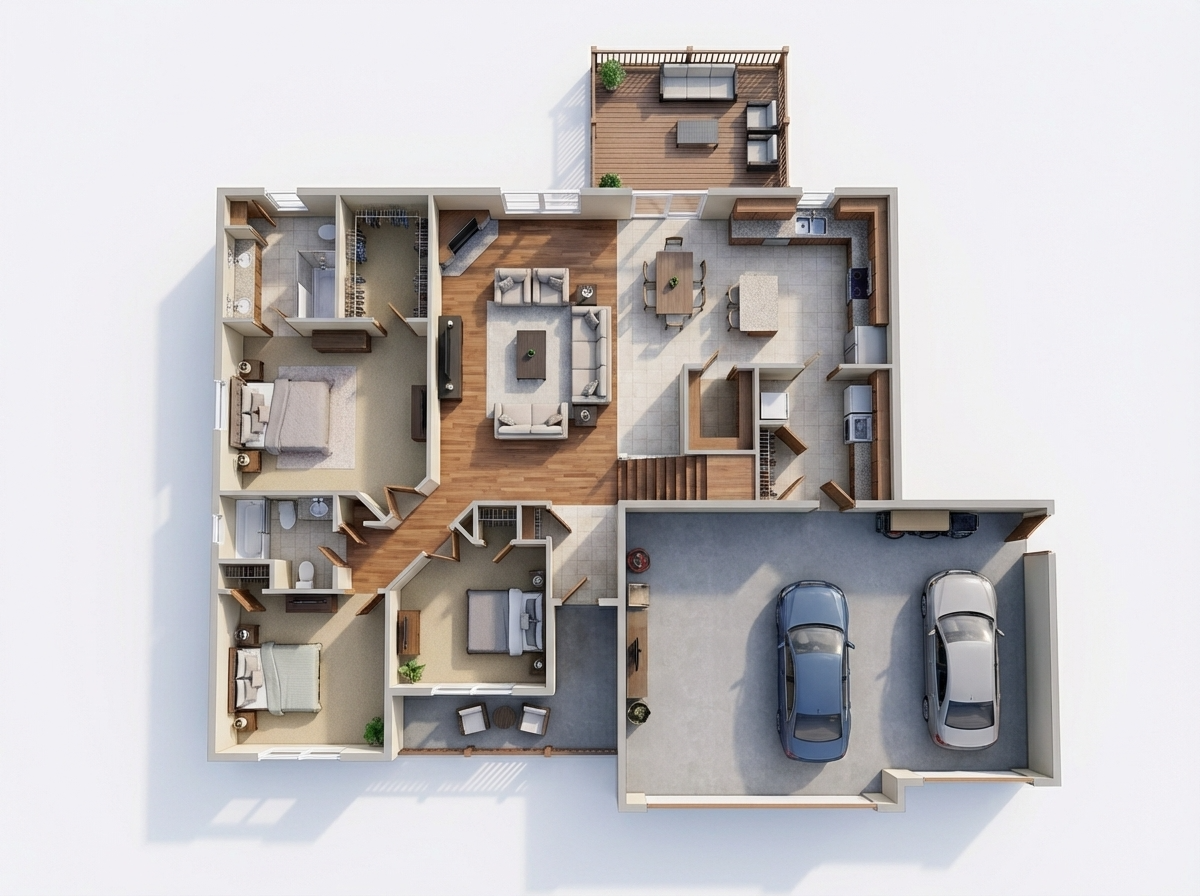
A 3d floorfloor plan is a great way to get a better feel for the livability of a home.
Should I Plan on Hiring A Home Inspector when I Build a house?
Many cash or buyers who get a construction loan choose to hire independent home inspectors. Most of the people we have worked with choose to hire a Certified Home Inspector once the home is completed and before they, as buyers, sign off on the completion. Professional home inspectors add another level of comfort for many home builders.
Does Paying For Cash Mean The House will Be Done More Quickly?
The are some parts of the process that may go quickly with a cash build so, in theory cash builds can close more quickly, but timelines for a new construction home still depend on selections, inspections, and final approvals. Often the timing of a closing or even the timing of build progress can be delayed due to things outside the builder’s control, such as material delays, municipality approvals, contracted service providers for utilities, etc. Your builder is always working to keep things on schedule within all the areas they can control.
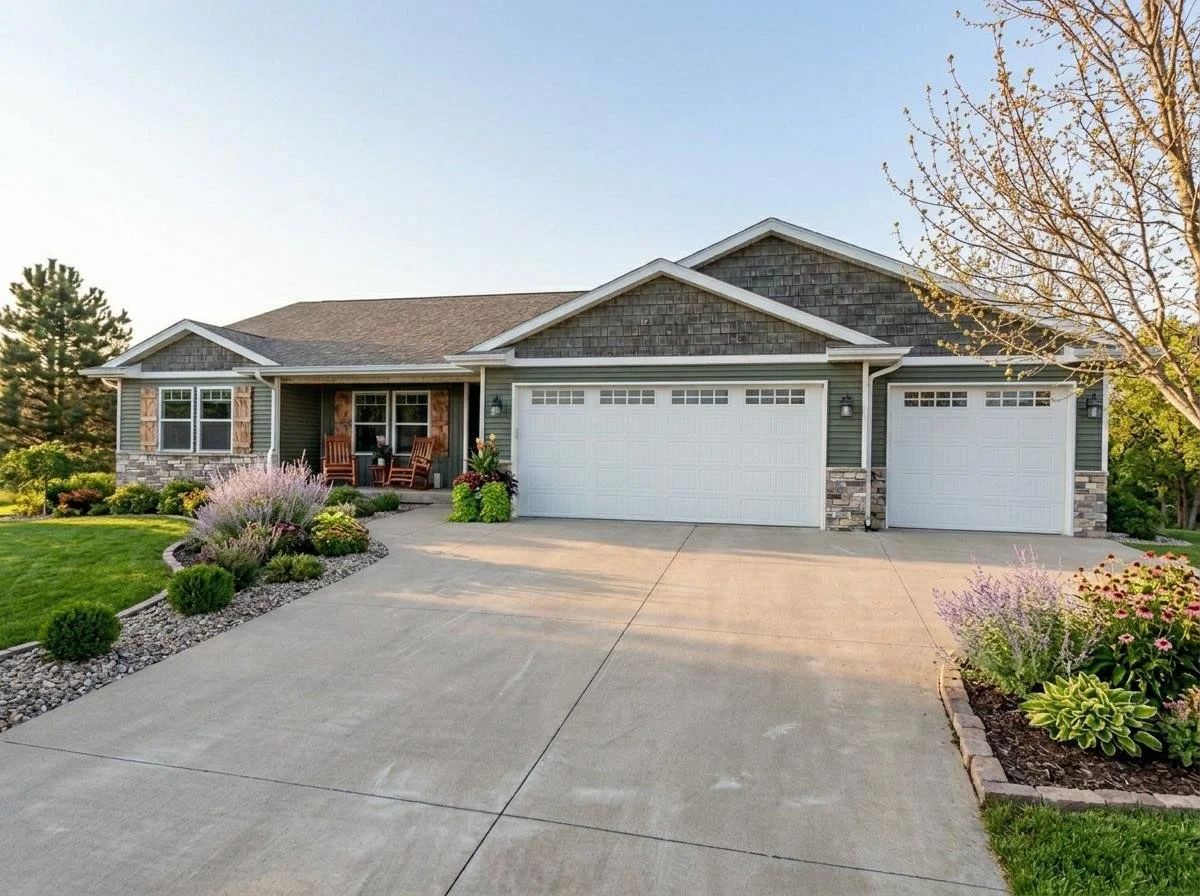
A wonderful home built by Cornerstone Construction (with some imagined landscaping). Call the Veenstra Team for more inforamtion.
What Should I Expect if I Want to Purchase a New Construction Home with a Construction Loan in SW MI?
What Types of Building Loans Are There?
When you build a home in Southwest Michigan, you typically won’t use a standard 30-year mortgage at the beginning. Instead, you’ll use a construction-based loan, which works very differently during the building phase.
1. Construction-to-Permanent Loan (One-Time Close)
This is the most common option for new construction.
With this loan:
You close once at the beginning.
The loan funds the build in stages (called draws).
When construction is complete, the loan automatically converts into a traditional mortgage.
Why buyers like it:
One closing cost
Locked rate (in many cases)
Seamless transition from build to permanent financing
This is often the smoothest route for buyers building with established builders.
2. Construction-Only Loan (Two-Time Close)
This loan finances only the construction phase.
With this loan:
You close on a short-term construction loan (usually 6–12 months).
You make interest-only payments during construction.
Once the home is complete, you apply for a separate traditional mortgage and close again.
Key difference:
There are two closings — which means two sets of closing costs and potential rate changes.
This option can sometimes make sense for complex builds or buyers who expect rates to improve.

A great lender working thruogh some of the details for thei construction loan.
3. Owner-Builder Construction Loan
This is for buyers acting as their own general contractor.
These are:
Harder to qualify for
More documentation-heavy
Higher risk from a lender’s perspective
Most lenders in Southwest Michigan require experience and strong financials to approve this type.
4. Builder-Financed Construction (In-House or Preferred Lender Programs)
A few local MI builders are beginning to offer builder financed construction. Essentially a home that a builder builds before there is a buyer is a builder financed home. There are also some production builders (builders that tend to build large neighborhoods and can the leverage the volume of suuplies that they build to be abe to offer new construction homes at lower prces) — including companies like Allen Edwin Homes — offer in-house or affiliated financing programs where the builder effectively coordinates and finances the construction phase for you.
In these situations:
The builder may require you to use their preferred or affiliated lender.
The home is usually a standard floor plan of one of the floor plans that the buyer specializes in building rather than a fully custom construction loan.
With this type of loan you usually just get a loan once the house is finished and you do not have to deal with any financing during the build.
The process can feel more streamlined because the builder and lender have a strong plan in place that they do over and over.
What are Some of the Nuances I Should Understand When I am Looking for the Best Construction Loan?
You may have fewer lender choices.
Incentives (closing cost credits, rate buydowns, promotional pricing) may be tied to using a builder’s lender or they may be directly offered by the lender. It is wise to ask new construction lenders if there are any incentives that they are offering when you are applying.
Rate lock structures and deposit requirements can differ from traditional construction-to-permanent loans.
Depending on the lender or builder, the level of customization allowed may be narrower compared to fully custom builds financed independently.
Timelines and contingency protections may look similar to a traditional loan for a prebuilt house depending on the lender or the builder.
For many buyers — especially those building in planned communities or choosing from set floorplans —the builder is typically the one with knowledge about options and they likely have preferred lenders. In some cases, using a preferred lender offers speciali options. However, it’s still important to compare terms, understand rate structure, and review how deposits, upgrades, and change orders are handled.
Builder-financed programs are not inherently better or worse — they are simply structured differently. The right choice depends on how much flexibility you want, how complex your build is, and how comfortable you are with a more packaged approach versus a fully independent construction loan.
5. Are Renovation Construction Loans the Same as New Construction Loans?
No, renovatoin loans and construction loand are not the same. Some people get confused about renovation loan constructio loans. These are loans like:
FHA 203(k)
Fannie Mae HomeStyle
Renovation loan are designed for renovating an existing property — not building from the ground up — but they may follow similar draw-based funding structures which is what confuses many people. They would not be the type of loan that you would get to build new construction.
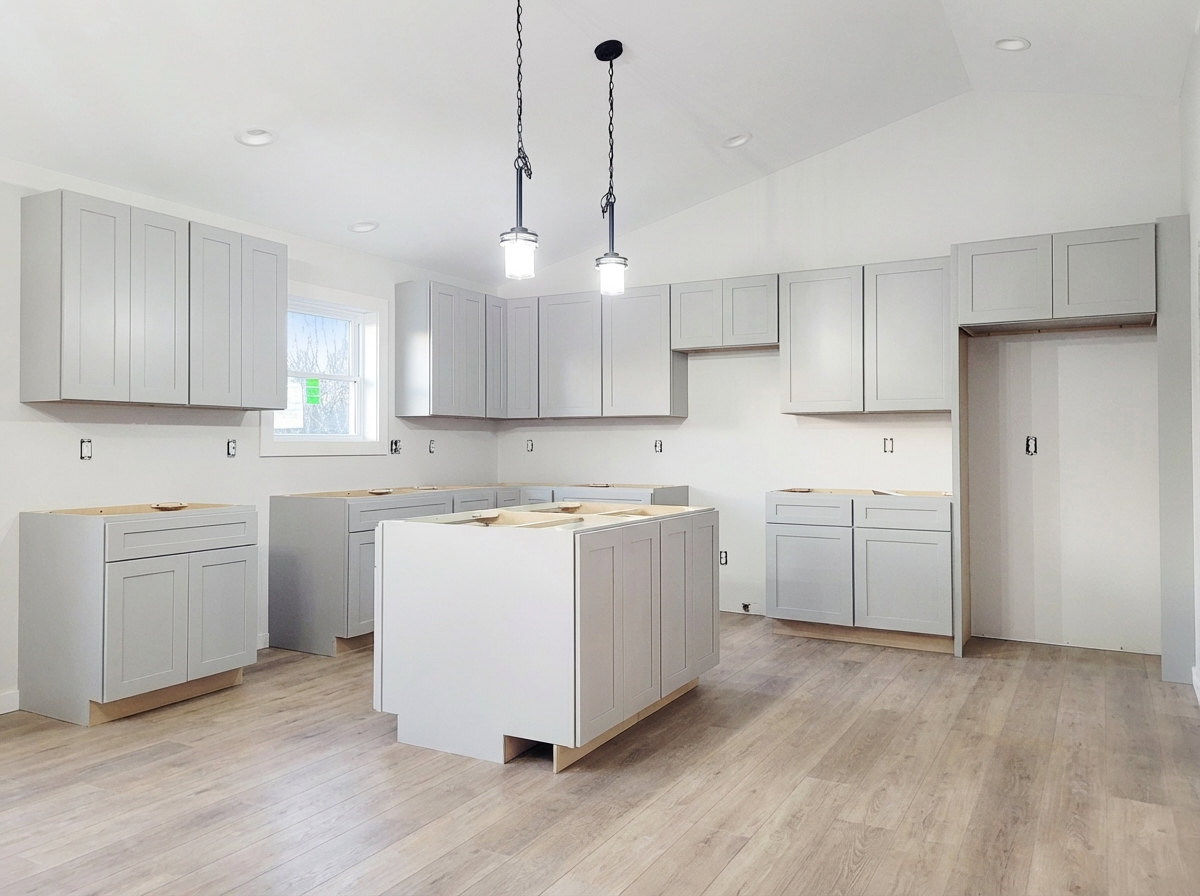
This great kitchen laoyout is layout that has proven lifestyle
How Do Build/New Construction Loans Differ from a Regular Mortgages?
Here’s the big distinction:
1. Funding Structure between a Regular Mortgage and A Construction Loan is Different
Regular Mortgage:
The full loan amount is disbursed at closing.
You begin full principal + interest payments immediately.
Construction Loan:
Funds are released in stages (foundation, framing, drywall, etc.).
You typically make interest-only payments during construction.
The lender inspects before releasing each draw.
2. Documentation & Approval and Oversight Needed for Building Loans is Often Very Different than a Traditional Mortgage
Construction loans require:
A signed builder contract
Detailed plans and specs
Cost breakdowns
Builder approval by the lender
A traditional mortgage does not require construction oversight.
3. The Appraisal Process for Construction Loans is Quite Different than a Standard Mortgage
For a build:
The appraisal is based on plans and specifications (future value).
It’s called a “subject-to-completion” appraisal.
For a regular purchase:
The appraisal is based on the current condition of an existing home.
4. Payment Structure For a Loan During the Build Process May Have Greater Flexiblity
Construction loans often involve:
Interest-only payments
Variable outstanding balances as draws are funded
Traditional mortgages:
Fixed payment schedule from day one
5. Timeline Sensitivity is Typically a Part of all Construction Loans
Construction loans are tied to:
Build timelines
Weather delays
Material availability
Municipal approvals
A regular mortgage doesn’t carry those construction risks.
What Do I Need to Have when I Apply for a Construction Loan?
The Veenstra Team can answer this question generally, but this may vary from lender to lender. When applying for a construction loan, preparation matters. Lenders will typically review your income documentation (W-2s or tax returns if self-employed), recent pay stubs, bank statements, credit history, and a list of assets and liabilities. Because this is a build, they may also need the builder contract, specifications, and a detailed cost breakdown. A true pre-approval — not just a quick pre-qualification — helps identify potential issues early and prevents surprises once construction begins. Experienced construction lenders will clearly explain how draws, interest payments, and timelines work so you feel confident moving forward
Building a home is certainly different from buying an existing one — and the lender you choose plays a huge role in how smooth (or stressful) the experience feels. That’s why we don’t recommend lenders casually. Every lender we recommend has been vetted specifically for new construction and for how they care for buyers throughout a longer, more complex process.
If I am Building a Home, When Should I Sell my Current Home?
One of the most important strategic questions we help our clients answer is: When should I sell my current home if I’m building? The truth is, there is no one-size-fits-all answer. The right timing depends on your equity position, current market conditions in Southwest Michigan, the builder’s timeline, your financing structure, and your personal comfort with risk. Some homeowners choose to sell early to unlock equity and reduce financial pressure. Others prefer to wait and time the sale closer to completion to minimize temporary housing needs. That’s why The Veenstra Team offers a free, data-driven Home Market Valuation and Marketing Consultation — and no, you do not have to pay for it, and you do not need to be committed to building before you qualify. Many of our clients request a valuation simply to understand their options and timing. If you’d like clarity around your numbers and potential timeline, complete the short form at the bottom of this page, and we’ll help you map out a personalized plan designed to protect your equity and position you for a smooth transition into your new construction home.
What is The Easiest Way to Understand The Big Picture Regarding Construction Loans?
A building loan is essentially a short-term project financing tool that later becomes (or is replaced by) a long-term mortgage.
That’s why working with a lender experienced in construction financing matters.
Lenders who are experienced in building loans understand draw schedules, rate strategy, timeline shifts and
coordinating with builders and that coordination can make or break how smooth your build feels.
Choosing a lender is a very important step if the builder is not requiring a specific lender and this is another area where you can depend heavily on the many years of experience of your REALTOR agent The Veenstra Team. We vet lenders and builders because we understand the build process and we know what level of customer service helps our buyer clients experience the best possible experience.
Here’s What you can Expect when you Work with One of the Veenstra Team Recommended lenders.
________________________________________
1. Fast, Personal Response — Not a Call Center
· When we introduce you to a recommended lender, you can expect:
· Prompt contact, typically the same day
· A specific person assigned to you — not a rotating team
· Clear communication about next steps
· You won’t be left wondering:
o “Did they get my information?”
o “Who do I call?”
o “Am I bothering them with questions?”
________________________________________
2. Clear Pre-Qualification (Not Guesswork)
Our recommended lenders:
· Explain the difference between pre-qualification and true pre-approval
· Review your information carefully — not just run quick numbers
· Identify potential issues early, before you select a lot or floor plan
· This helps prevent:
o Surprises later in the build
o Budget changes mid-construction
o Deals falling apart after months of planning
________________________________________
3. Plain-English Explanations (No Jargon)
· You can expect your lender to clearly explain:
o How construction loans work
o What happens during each phase of the build
o How interest, payments, and draws are handled
o What costs are included — and what are not
· You should never feel embarrassed asking:
o “Can you explain that again?”
o “How does this affect my monthly payment?”
o “What happens if the timeline changes?”
o Education is part of the service.
4. Experience With New Construction Timelines
· Building takes time — and timelines can shift. Our recommended lenders:
o Understand construction schedules
o Offer strategies to manage interest rate changes
o Communicate proactively if adjustments are needed
o Coordinate with the builder so financing doesn’t slow the build
o This reduces stress for you — and keeps the process moving.
________________________________________
5. Transparency About Costs & Cash Needs
You can expect honest conversations about:
· Down payment and closing costs
· Cash needed for upgrades or changes
· Timing of payments during construction
· Options if you’re selling a current home while building
· There should be no last-minute surprises.
________________________________________
6. Support for Real-Life Situations
Our recommended lenders are comfortable working with:
· Buyers selling an existing home
· Self-employed or commissioned income
· First-time build buyers
· Buyers who want to plan ahead, even months in advance
· If something needs attention — credit, documentation, timing — you’ll hear about it early.
________________________________________
7. A Calm, Respectful Experience
When buyers finish their build, we want them saying things like:
· “They explained everything.”
· “They were easy to reach.”
· “I always knew where things stood.”
· “They helped us think ahead.”
· That’s the standard we expect — and why we’re selective.
________________________________________
It is important for you to know that you are never required to use a recommended lender.
Our goal is simply to reduce stress, increase clarity, improve the overall build experience and get to the finish line. If at any time one of the vendors we recommend does not serve you well, please let us know. We are continually vetting them.
The Veenstra Team is always ready to help you get clarity on the value of your current home, the home build process and/or to get you connected to the right builders or lenders. Connect with us through this form or by calling 269-350-5514.

The Veenstra Team. Serving the Southwest MI area since 1987. Together we have nearly 80 years of real estate experience.
David Veenstra, Jason Veenstra and Cindi Veenstra