Can an HOA Master Insurance Policy Stop Your Condo Purchase?
It can, but that is probably not the best place to begin this conversation because preparation early in the condo buying process can help in many ways.

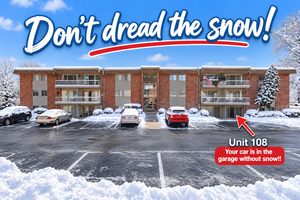
Buying a condominium can be a great way to own a home while simplifying some of the responsibilities that come with traditional homeownership. Depending on the community, exterior maintenance, lawn care, snow removal, water, trash, insurance, amenities, or other shared services may be handled through the association.
For many buyers in Kalamazoo and Portage, that combination of ownership, convenience, and lower-maintenance living is exactly what makes a condo attractive.
There is simply one important difference in the financing process that buyers should understand early: when you purchase a condo with a mortgage, your lender may need to approve both you and the condominium project.
That does not make condo financing unusually difficult. It just means there is an additional layer of information that needs to get to the lender, and the earlier that happens, the easier the process tends to be.
When the Veenstra Team works with a buyer considering a condo, one of the priorities is making sure the lender knows from the beginning that the property is a condominium and that the association information begins moving through the review process while there is still plenty of time to answer questions.
What Is Different About Financing a Condo?
Your personal loan approval still matters just as it would with any other home purchase. The lender will consider your income, credit, down payment, debt, appraisal, and the other pieces that go into qualifying for a mortgage.
With a condominium, however, part of the property is owned, maintained, and insured collectively through the association. Because of that, the lender may also need to understand the financial and physical health of the condominium project itself.
Depending on the loan program and the type of project review required, that may include looking at:
The association's master insurance coverage
Deductibles
Financial reserves
Owner occupancy
Special assessments
Pending litigation
Deferred maintenance
Commercial space within the project
The association budget and financial information
Insurance is an important part of that review, but it is only one piece of the larger picture.
Start the Condo Review Early
A buyer does not need to become an expert in condominium underwriting. What matters is getting the right information to the people who are responsible for reviewing it.
Once a buyer has an accepted offer, the Veenstra Team works to get the available association documents gathered and moving as early as possible. Depending on the condominium, that may include the master deed and bylaws, current budget, reserve information, meeting minutes, special-assessment information, master insurance policy, endorsements, and evidence of current coverage.
The lender can then determine exactly what is required for that buyer's loan.
This is especially important because conventional, FHA, VA, portfolio, and other loan programs do not necessarily evaluate condominium projects in exactly the same way. A project that works easily with one type of financing may require additional documentation—or a different approach—with another.
That is why a recent sale in the same condominium community does not automatically mean the next buyer's loan will be approved in exactly the same way. The previous buyer may have used a different lender or loan program, and association finances, insurance policies, and lending guidelines can all change.
Understanding the HOA Master Insurance Policy
Most condominium owners carry their own individual condo insurance, commonly referred to as an HO-6 policy. The condominium association also carries a master insurance policy covering the portions of the property for which the association is responsible.
Exactly where one policy stops and the other begins depends on the condominium documents and the insurance policies themselves.
For financing purposes, the lender may need more than a basic certificate showing that insurance exists. Underwriting may need to understand the amount of coverage, the applicable deductibles, which buildings and common elements are insured, and what portions of the individual units fall under the association's responsibility.
The buyer's HO-6 policy then covers the appropriate portions of the individual unit and other personal insurance needs.
None of this is unusual. It is simply part of financing property in which some ownership responsibilities are shared.
Condo Insurance Rules Changed in 2026
There was some welcome movement in condominium insurance requirements during 2026.
On March 18, 2026, the Federal Housing Finance Agency announced changes affecting Fannie Mae and Freddie Mac property-insurance requirements. Among other things, the changes provided additional flexibility involving roof coverage and certain deductible requirements.
You can read the FHFA's March 18, 2026 announcement.
The changes helped address some of the insurance issues that had made condominium financing more challenging, but they did not eliminate project review. Fannie Mae and Freddie Mac still have requirements for condominium insurance and overall project eligibility.
For buyers, the practical takeaway is much simpler than the underwriting language:
Condo financing has become more workable in some situations, but the lender still needs the right information from the association.
You can review the current Fannie Mae master-policy requirements here and Freddie Mac Guide Section 4703.2 here.
A Well-Run Condo Association Can Be a Real Advantage
The conversation about condominium associations often focuses on restrictions, fees, and things that could go wrong. There is another side that is just as important.
A well-run association can make ownership considerably easier.
When an association keeps good records, maintains appropriate insurance, plans ahead for major expenses, saves for future needs, and responds promptly when a lender requests documentation, both the purchase process and long-term ownership tend to be more predictable.
That is one reason the Veenstra Team encourages condo buyers to look beyond the monthly association fee.
A $300 fee is not automatically better than a $450 fee. What matters is what the fee pays for, what responsibilities the association is taking off the individual owner's plate, and whether the association appears to be preparing responsibly for future expenses.
Depending on the community, an association fee may help pay for exterior maintenance, roofs, landscaping, snow removal, water, sewer, trash, insurance, amenities, reserve contributions, or major long-term improvements.
Our guide to what a Kalamazoo condo fee may cover looks more closely at that side of condominium ownership.
Five Ways to Prepare for Condo Financing
There are a few simple steps that can make the process much smoother.
1. Tell Your Lender You Are Considering Condos
If condos are part of your home search, tell your lender before you write an offer. That gives the lender an opportunity to explain whether your financing is likely to require a full project review, limited review, FHA approval, or another eligibility process.
It also helps avoid the surprise of learning after an accepted offer that additional project documentation is needed.
2. Request the Association Information Early
Once you have an accepted offer, get the condominium documents moving.
The Veenstra Team's approach is to begin gathering the available association information while inspections, title work, financing, and the other parts of the transaction are also moving forward. There is little advantage in waiting until the end of the process to discover that the lender needs something from the association.
3. Get the Insurance Information to the Lender
The association's insurance information should reach the lender early enough for underwriting to review it and ask questions if necessary.
Sometimes everything is exactly what the lender needs. Other times, underwriting may request a complete policy, an endorsement, deductible clarification, replacement-cost documentation, or additional information about what the association insures.
Those requests are much easier to solve when everyone has time.
4. Keep Your Contract Deadlines Visible
Condominium-document review and financing deadlines matter.
The Veenstra Team helps buyers keep those dates visible while the lender, association, title company, inspector, insurance professionals, and other parties are doing their respective jobs. Good coordination does not eliminate every issue, but it gives buyers much more room to make informed decisions if a question comes up.
5. Ask for the Exact Question When Something Is Missing
If underwriting raises a concern, it is useful to find out precisely what the lender needs rather than simply hearing that there is an “insurance problem” or a “condo issue.”
Sometimes the needed information already exists and has simply not reached the lender.
The association manager may have one piece. The insurance agent may have another. The lender may need a specific endorsement or explanation. Getting everyone focused on the exact question can make a big difference.
What Happens If the Lender Has a Question About the Master Policy?
A lender asking for additional information does not necessarily mean the condo cannot be financed.
In many cases, underwriting simply needs clarification or another document. An association may already have replacement-cost information but not have sent it. The insurance agent may be able to provide an endorsement. Additional individual coverage may address a particular requirement. In some situations, another loan product may be worth considering.
The goal is not to assume that every question is a crisis.
The better strategy is to uncover questions early enough that the buyer has time to understand the answer and make a thoughtful decision.
That early coordination has become an important part of the Veenstra Team's condo-buying process because it gives buyers more information at the point when that information is most useful.
Does Buying a Condo Mean Taking on More Risk?
Not necessarily. It means buying into a form of ownership in which some responsibilities are shared rather than handled individually.
That shared structure is often one of the reasons people choose condominium living in the first place.
Instead of being personally responsible for every exterior repair, lawn-care task, snowstorm, common area, or major shared component, some of those responsibilities are handled collectively through the association.
In exchange, it is important to understand how the association is managed, what the owner remains responsible for, and how the community is preparing for future expenses.
That is not something to fear. It is simply part of making an informed condo purchase.
Frequently Asked Questions About Financing a Kalamazoo Condo
Do I need a different mortgage to buy a condo?
Not necessarily. Conventional, FHA, VA, portfolio, and other financing may all be available for condominiums, but the project itself may need to meet the requirements of the loan program you are using.
Does my lender need HOA documents before closing?
Often, yes. The lender may need financial, insurance, or other project information from the association before giving final loan approval.
Do I still need my own insurance if the HOA has insurance?
Usually, yes. The association's master policy and your individual HO-6 policy generally cover different responsibilities. Your lender and insurance professional can help determine the appropriate coverage for the condominium you are purchasing.
Does a recent sale in the same condo development mean my loan will be approved?
Not automatically. The previous buyer may have used a different lender or financing program, and the association's financial information, insurance coverage, or lending requirements may have changed since that sale.
Should I get preapproved before looking at condos?
Yes, and if condominiums are part of your search, tell your lender.
The Veenstra Team also encourages buyers to work with a lender who understands condominium financing so the project-review requirements are part of the conversation from the beginning rather than something discovered after an offer is accepted.
Buying a Condo in Kalamazoo or Portage? Prepare for the Whole Purchase
One of the advantages of condominium ownership is that it can make some parts of owning a home much simpler. The financing process simply includes an additional layer because the lender is looking at both the individual unit and portions of the condominium project around it.
What Does Jason Veenstra Recommend Before Financing a Kalamazoo Condo?
Jason Veenstra and the Veenstra Team recommend getting the condominium association information in front of the lender as early as possible. That gives the lender time to review the project, insurance, and other requirements while the buyer still has time to ask questions and understand the answers. The goal is not to make condo financing feel complicated. It is to make sure the right information reaches the right people early enough that buyers can make wise decisions with fewer surprises.
Buying a Condo in Kalamazoo or Portage? Start With a Conversation
If you are considering a condo in Kalamazoo, Portage, Texas Township, Richland, or elsewhere in Southwest Michigan, the Veenstra Team can help you understand both the property and the association behind it.
That includes helping you gather the available condominium documents, understand what questions are worth asking, keep important contract deadlines visible, and coordinate with the lender, title company, insurance professionals, and association when needed.
You do not need to become an expert in condominium underwriting before buying a condo. You simply want to connect with a REALTOR who understands the process and protects your best interests and will make sure that the right information is getting to the right people early enough to make a good decision.
Veenstra Team | eXp Realty
269-350-5514
sold@veenstrateam.com
Or schedule a 15-minute conversation.
The goal is simple: understand what you are buying, understand how you are financing it, and move forward with confidence when the pieces make sense.