
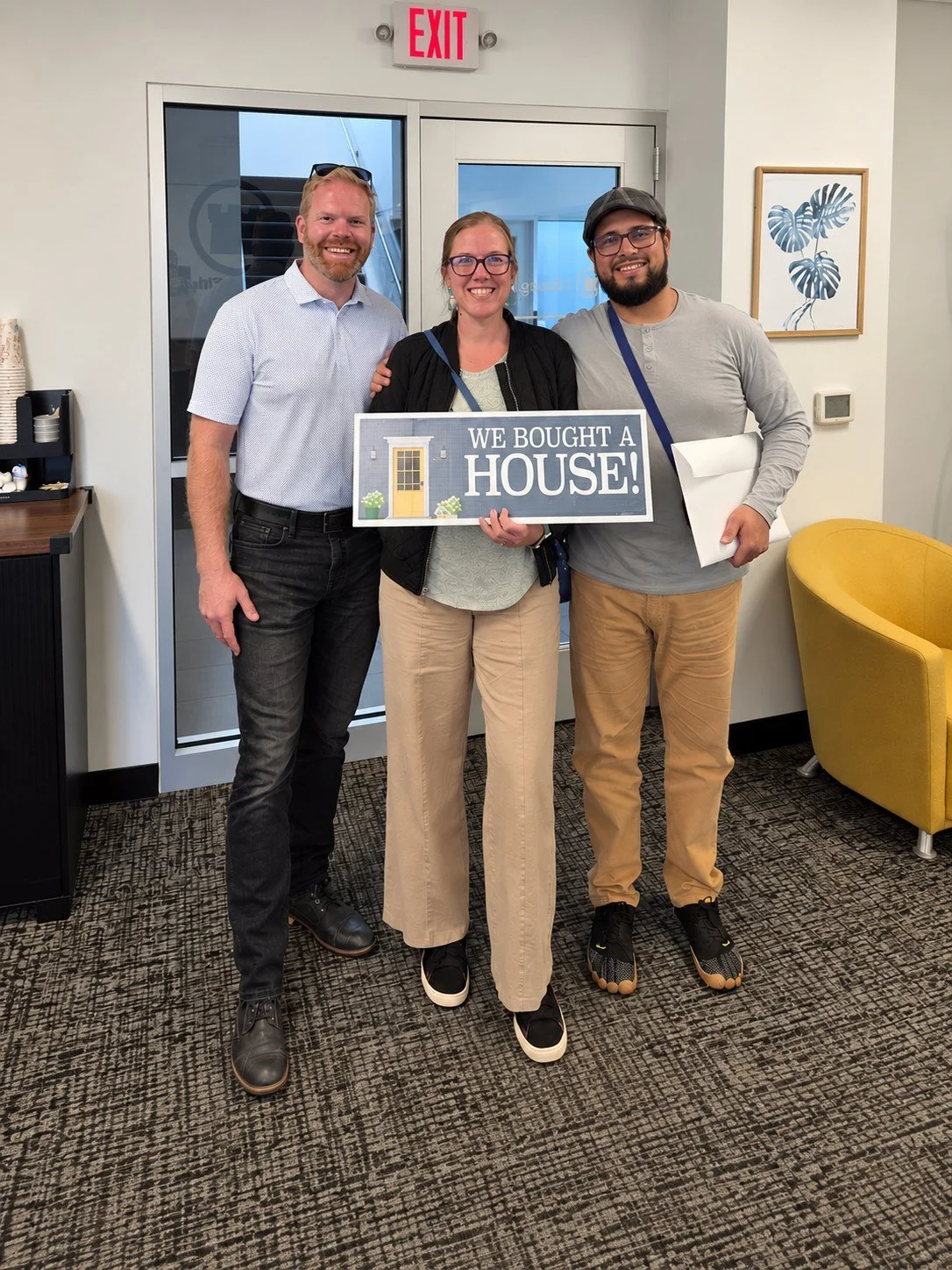
First-Time Home Buyer Guide for Kalamazoo County
Buying your first home means a lot of new steps at once: a lender, a budget, a buyer agreement, an offer, an inspection and a closing table. This guide walks through each one in the order it happens here in Kalamazoo County, along with the down payment programs local buyers can use and what each step costs.
I'm Jason Veenstra, a REALTOR® with the Veenstra Team, brokered by eXp Realty. Our family has helped Kalamazoo-area buyers since 1987. If you'd rather talk it through, call or text 269-350-5514 or pick a time for a 15-minute call.
Program amounts and limits checked November 14, 2026.
Who counts as a first-time home buyer in Michigan?
For most programs, you're a first-time buyer if you haven't owned a home in the past three years. That's the rule MSHDA uses for its MI Home Loan, and most first-time buyer programs use the same test. So if you owned a home years ago and have rented since, you may qualify again.
MSHDA also opens its loan to repeat buyers in targeted areas, and all of Kalamazoo County is a targeted area. That means some buyers who already own a home can use it here too.
Step 1: Set a budget and check your credit
Start with the monthly payment you're comfortable with, not the largest loan a lender will approve. A mortgage payment usually includes principal, interest, property taxes, homeowners insurance and, with less than 20% down, mortgage insurance. Here's how a mortgage payment breaks down, and our mortgage and rent-vs-own calculators can help you test numbers. If you're weighing it against rent, read can I afford to buy instead of rent in Kalamazoo.
Pull your credit reports for free at AnnualCreditReport.com and fix errors before you apply. Minimum scores depend on the loan. MSHDA's MI Home Loan requires at least 640, and FHA allows 3.5% down with a 580 score.
Budget carefully for property taxes. In Michigan, a home's taxable value uncaps the year after it sells, so your bill can be higher than the seller's. Ask for an estimate based on your purchase price. Our post on estimating property taxes in Kalamazoo explains how.
Step 2: Get pre-approved with a local lender
A pre-approval means a lender has reviewed your income, assets, debts and credit and put a loan amount in writing. Most sellers will want to see one with your offer, and it tells you which price range to shop.
Talk with at least two lenders and compare the Loan Estimate each one gives you. Ask every lender which down payment programs they offer. Many programs only work through certain lenders, so the lender you pick decides which help you can use.
Between pre-approval and closing, hold off on new credit, big purchases and job changes until you've talked to your lender. Here are five things to avoid after you apply.
Step 3: Find out how much down payment help you qualify for
You may need less down than you think. Typical minimums by loan type:
Conventional: as little as 3% down for eligible buyers, including Fannie Mae HomeReady.
FHA: 3.5% down with a credit score of 580 or higher, or 10% with a score from 500 to 579.
VA: no down payment in most cases for eligible veterans and service members.
USDA: no down payment for eligible homes in rural areas, with income limits. Check an address on USDA’s map.
Then add assistance on top. These are the main programs open to Kalamazoo County buyers as of November 2026.
MSHDA MI Home Loan and MI 10K DPA
Michigan's housing authority offers up to $10,000 toward down payment, closing costs and prepaid expenses. It's a 0% loan with no monthly payment, repaid when you sell, refinance, pay off the first mortgage or move out. In Kalamazoo County the 2026 income limit is $129,720 for a household of one or two and $151,340 for three or more, and the sales price limit is $566,355. You'll need a 640 credit score, a homebuyer education class and a MSHDA-approved lender.
Kalamazoo County Homebuyer Assistance Program
The County Treasurer offers up to $5,000 toward your down payment, and Independent Bank adds up to $2,000 for closing costs. You must buy a primary residence in Kalamazoo County, earn no more than 120% of area median income ($114,960 for a household of four on the county's current table), finance through Independent Bank, complete pre-purchase counseling and put in at least $1,000 of your own.
Local lender programs
Some banks, credit unions and nonprofits run their own help. Funding is limited and rules change, so ask about them before you choose a lender:
Lake Michigan Credit Union HomeAssist: a grant of up to $10,000 for first-time buyers at or below 120% of area median income, or up to $15,000 in targeted areas. LMCU says it can be combined with MSHDA.
Honor Credit Union: a $2,500 Fannie Mae or Freddie Mac grant for buyers at or below 50% of area median income, on loans closed by February 27, 2027.
KNHS Your Home Initiative: up to $20,000 in forgivable help for employees of participating Kalamazoo County employers at or below 120% of area median income.
FHLBank Indianapolis Launch and HomeBoost: grants of up to $20,000 offered through member lenders such as Consumers Credit Union, Honor and Mercantile. The 2026 rounds opened in April and July and are now closed.
Chase, PNC, Bank of America and Old National also offer grants tied to specific census tracts or markets. Whether a Kalamazoo County home qualifies depends on the address, so ask the lender to check it. Kalamazoo Valley Habitat for Humanity takes homeownership applications once a year in January.
For more detail on how these programs work, read our guide to down payment assistance programs. If you're still saving, here's where to keep your down payment savings.
Phone: 269-350-5514
Email: sold@veenstrateam.com
Office Hours
Monday - 9:00am - 5:00pm
Tuesday - 9:00am - 5:00pm
Wednesday - 9:00am - 5:00pm
Thursday - 9:00am - 5:00pm
Friday - 9:00am - 5:00pm
Saturday - By Appointment
Sunday - By Appointment
Not sure which programs fit you? Call or text 269-350-5514, or schedule a 15-minute call. We'll go over your options and point you to lenders who offer them.
Step 4: Choose your agent and sign a buyer agreement
Before an agent tours homes with you, in person or virtually, you'll sign a written buyer agreement. It spells out the services, how long the agreement lasts and how your agent is paid. You don't need one to visit an open house on your own.
Compensation is negotiable and has to be a clear amount, not a range. In many purchases, your offer can ask the seller to cover some or all of it, the same way buyers ask for closing cost help. Here's how buyer agent pay works now.
We start with a buyer consultation. We'll go over your goals, timing and the agreement before you sign anything.
What homes sell for around Kalamazoo County
Prices vary a lot across the county. These are median sale prices for homes sold in the last 12 months, from the Southwest Michigan MLS as published on our community pages in November 2026:
Kalamazoo County overall: $290,000 (2,995 sales)
City of Kalamazoo: $215,000 (658 sales)
Comstock Township: $285,000 (186 sales)
Cooper Township: $274,500 (117 sales)
Kalamazoo Township: $200,000 (301 sales)
Oshtemo Township: $353,500 (251 sales)
Portage: $313,800 (657 sales)
Richland Township: $363,300 (130 sales)
Texas Township: $520,000 (237 sales)
Village of Vicksburg: $292,300 (60 sales)
A median is the middle sale, so homes sell above and below it in every area. Every median above is under MSHDA's $566,355 price limit. Browse all Kalamazoo County community guides for listings and local details.
Step 5: Shop for homes
Set up a home search for your price range and must-haves, then tour the homes that fit. Pay close attention to what's hard to change: location, lot, layout, and the age and condition of the roof, furnace and foundation.
Some loan programs have property condition standards, so we'll flag condition issues before you write an offer. Confirm property taxes, any HOA fees and the school district for the exact address with the assessor and the district. They follow the address, not the mailing city.
Step 6: Make an offer and schedule the inspection
Your offer sets the price, earnest money, financing, closing date, inspection period, what stays with the house and any seller help with closing costs. We'll pull recent sales of similar homes so your price is based on evidence. Earnest money is a good-faith deposit, usually held by the title company and credited to you at closing.
Once you're under contract, book a home inspection right away, because the inspection period in your offer is usually short. Afterward you can ask for repairs, a credit or a price change, or cancel if the contract allows. Here's how repair requests and seller credits work and the inspection red flags to watch for. Your lender will also order an appraisal.
Step 7: Plan for closing costs
Closing costs usually run 2% to 5% of the mortgage amount, paid on top of your down payment. They include lender fees, the appraisal, title insurance, recording fees, and prepaid taxes, insurance and interest for your escrow account. In Michigan, the seller usually pays the transfer tax.
You can lower what you bring to closing with programs that cover closing costs, a seller contribution negotiated in your offer, or lender credits. Your lender must send your Closing Disclosure three business days before closing. Compare it line by line with your Loan Estimate.
Step 8: Close and get your keys
Before closing, you'll do a final walk-through to confirm the home's condition and any agreed repairs. At the title company, you'll sign your loan and deed documents and bring your funds, usually by wire. Before you wire money, call the title company at a number you know is real to confirm the instructions. Never rely on instructions that arrive only by email.
After you move in, make sure your Principal Residence Exemption is on file with your city or township assessor. It exempts your home from up to 18 mills of school operating tax. Then read the common mistakes new homeowners make so your first year goes smoothly.
Frequently asked questions about buying your first home
What qualifies as a first-time home buyer in Michigan?
Most programs, including MSHDA's MI Home Loan, count you as a first-time buyer if you haven't owned a home in the past three years. MSHDA also accepts repeat buyers in targeted areas, and all of Kalamazoo County is a targeted area.
How much do I need for a down payment in Michigan?
It depends on the loan. Conventional loans can start at 3% down, and FHA loans at 3.5% with a credit score of 580 or higher. VA and USDA loans can require no down payment for eligible buyers and homes. Down payment programs can cover part or all of what's left.
What credit score do I need for a MSHDA loan?
MSHDA's MI Home Loan requires a minimum credit score of 640. Your lender may have its own requirements on top of that.
What are the MSHDA income limits for Kalamazoo County?
For 2026, the MI Home Loan income limit in Kalamazoo County is $129,720 for a household of one or two people and $151,340 for three or more. The sales price limit is $566,355. These limits took effect June 1, 2026.
Is the MSHDA $10,000 down payment assistance a grant?
No. The MI 10K DPA is a 0% interest loan with no monthly payments. You repay it when you sell, refinance, pay off your first mortgage or stop living in the home.
Does Kalamazoo County have a homebuyer assistance program?
Yes. The Kalamazoo County Treasurer and Independent Bank offer up to $5,000 toward the down payment and up to $2,000 toward closing costs. You must buy a primary residence in the county, have income at or below 120% of area median income, finance through Independent Bank, complete pre-purchase counseling and contribute at least $1,000.
Can I combine down payment assistance programs?
Often, yes. Lake Michigan Credit Union says its HomeAssist grant can be combined with MSHDA assistance, and Independent Bank says the county program may be combined with other programs. Each program has its own rules, so your lender has to confirm the combination.
Do I have to sign a buyer agreement to tour a house in Michigan?
Yes, if you're touring with an agent, in person or virtually. You don't need one to visit an open house on your own. The agreement states how your agent is paid, and that amount is negotiable.
How much are closing costs for buyers in Michigan?
Closing costs usually run 2% to 5% of the mortgage amount, paid on top of your down payment. In Michigan, the seller usually pays the transfer tax. Some assistance programs and negotiated seller contributions can cover buyer closing costs.
Why will my property taxes be higher than the seller's?
In Michigan, a home's taxable value is capped while one owner holds it, then uncaps the year after it sells. Your taxes are then based on the current assessed value, which is often higher. Ask for a tax estimate based on your purchase price before you buy.
Ready to talk about your first home?
Whether you're a year out or ready now, a 15-minute call is a good place to start. Call or text 269-350-5514 or email sold@veenstrateam.com.
