Should you sell your Kalamazoo house or rent it out?
It depends on whether a realistic rent covers the full cost of owning the house, not just the mortgage payment. In Michigan, renting out your former home usually means giving up the principal residence exemption (up to 18 mills of school operating tax), and inside the City of Kalamazoo you need a rental Certificate of Compliance before you sign a lease. If you've lived there at least two of the last five years, selling within about three years of moving out generally keeps the federal capital gains exclusion available. Run both scenarios side by side before you decide.
By Jason Veenstra | November 16, 2026
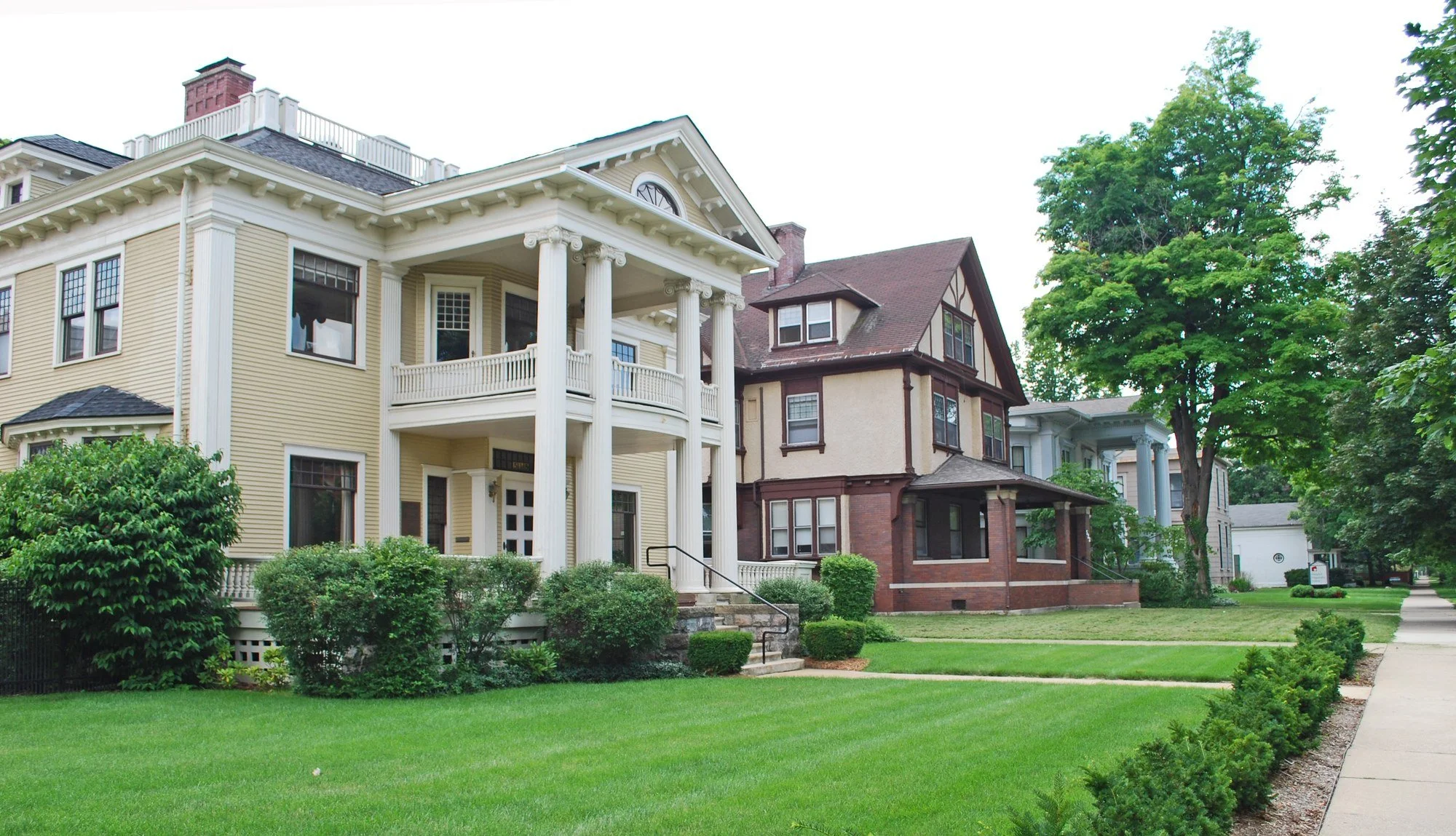
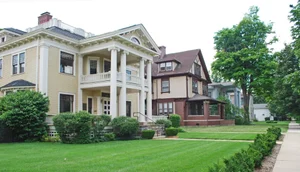
Homes along South Street, west of Westnedge, in Kalamazoo’s South Street Historic District. Homes shown are for illustration only. Photo: Andrew Jameson via Wikimedia Commons, CC BY-SA 3.0.
This question usually shows up at a turning point. Maybe you're relocating for work, moving up to a bigger place or combining households, and the house you're leaving has a mortgage rate you'd hate to give up. Keeping it as a rental can feel like a way to hold on to that rate and build wealth at the same time.
Sometimes that's exactly the right call. Other times the numbers look fine on a napkin and fall apart once the property taxes change, the furnace quits in January or a tenant moves out and the house sits empty. Here's what changes when a Kalamazoo-area home becomes a rental, and how to compare your options honestly.
What changes when your home becomes a rental?
Renting out your house isn't just a lease and a set of keys. Several things shift at once, and most of them touch your bottom line.
Your property taxes usually go up. Michigan's principal residence exemption (PRE) exempts your home from up to 18 mills of local school operating tax. Once the house is no longer your principal residence, you're required to file a Request to Rescind (Form 2602) with your city or township assessor within 90 days. Missing that deadline can bring a $5-a-day penalty (up to $200), plus the added tax and interest.
For a rough sense of scale, 18 mills is $18 for every $1,000 of taxable value, so a home with a $120,000 taxable value could owe up to about $2,160 more a year. That's an illustration, not a quote. Your actual increase depends on your home's taxable value and your school district's levy.
There's a narrower option called a conditional rescission (Form 4640) that can keep the PRE on your old house for up to three years, but only while it's for sale, unoccupied and not leased. It's built for people who move before they sell, not for landlords.
One piece of good news: an ordinary lease isn't a transfer of ownership, so renting by itself doesn't uncap your taxable value. (Leases longer than 35 years, counting renewal options, and leases with a bargain purchase option are treated differently.) If uncapping is new to you, my post on how Michigan property taxes reset after a sale walks through taxable value, SEV and the PRE.
The City of Kalamazoo requires a rental certificate before you lease. All rental housing in the city must be registered and inspected, and the property needs a Certificate of Compliance before it's leased. Certificates run 28 to 52 months depending on the property's history, and the city's fee schedule changes periodically. If you don't live within the city's approved ZIP codes or don't want to manage the house yourself, you'll need to name a responsible local agent.
Outside the city, rules vary by municipality. Kalamazoo Charter Township, for example, has its own rental registration application, so check with the city or township where your house sits before you advertise it.
Your mortgage may require you to live there. Most conventional mortgages use the standard Fannie Mae/Freddie Mac security instrument, which generally asks you to move in within 60 days of closing and live there at least a year unless your lender agrees otherwise in writing. If you bought recently, read your mortgage and talk with your lender before you list the house for rent.
Your insurance probably needs to change. A homeowner's policy is written for a home you live in. Ask your insurance agent what coverage fits a tenant-occupied house before the first tenant moves in.
You take on Michigan's landlord rules. Michigan caps security deposits at 1½ months' rent, requires move-in inventory checklists and gives you 30 days after a tenant moves out to return the deposit or send an itemized list of damages. Fair housing laws also apply to how you advertise, screen and choose tenants.
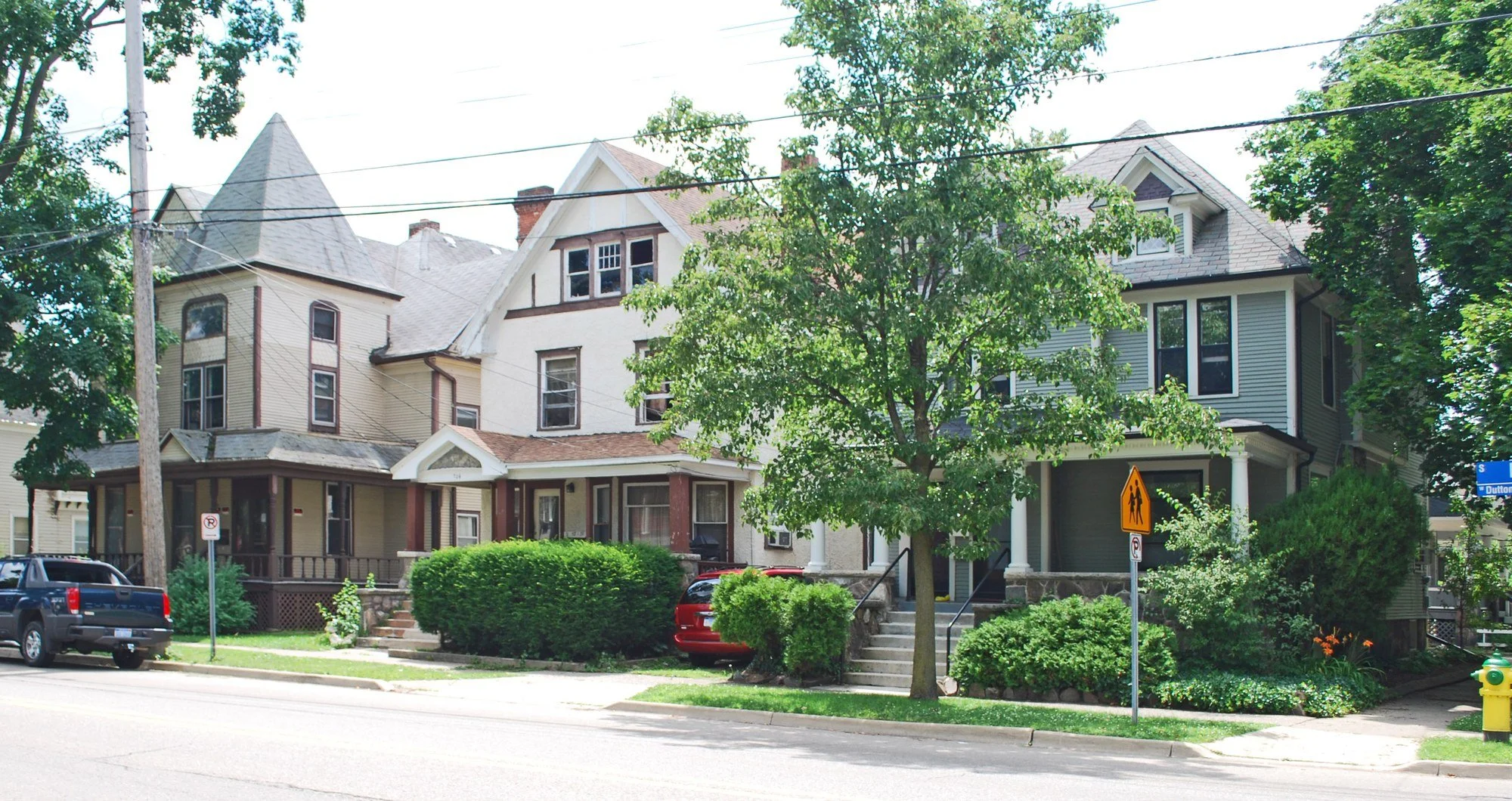
Rose Street, south of Dutton, in Kalamazoo’s Vine Area Historic District. Homes shown are for illustration only. Photo: Andrew Jameson via Wikimedia Commons, CC BY-SA 3.0.
How do you compare selling with renting?
Start with the real monthly cost of keeping the house, not just the mortgage payment. Then do your own research on fair market rent for your home, based on what similar homes nearby are actually renting for, not the highest asking rent you can find online.
Your monthly cost to keep it includes:
Mortgage principal and interest
Property taxes without the principal residence exemption
Insurance for a tenant-occupied home
Rental registration and inspection fees, where your municipality requires them
Routine repairs, plus a reserve for big-ticket items like the roof, furnace and water heater
Vacancy between tenants
Property management, if you won't be nearby or don't want the late-night calls
Your own time
If the rent only covers the mortgage, the house is probably costing you money every month once everything else is counted.
Then look at what selling would do for you. Your equity could become your next down payment, pay down debt or give you breathing room. My breakdown of seller closing costs in Kalamazoo shows what typically comes out of the sale price, so you can estimate your net. And if you need that equity to move, here's how buying your next home before selling can work.
Watch the capital gains clock. If you've owned and lived in the home as your main residence for at least two of the five years before you sell, you may be able to exclude up to $250,000 of gain ($500,000 for most married couples filing jointly). That means a former home you rent out can still qualify if you sell within roughly three years of moving out. Depreciation allowed or allowable for the rental years after May 6, 1997 can't be excluded, though.
This is general information, not tax or legal advice. Run your specific situation by a CPA before you sign a lease.
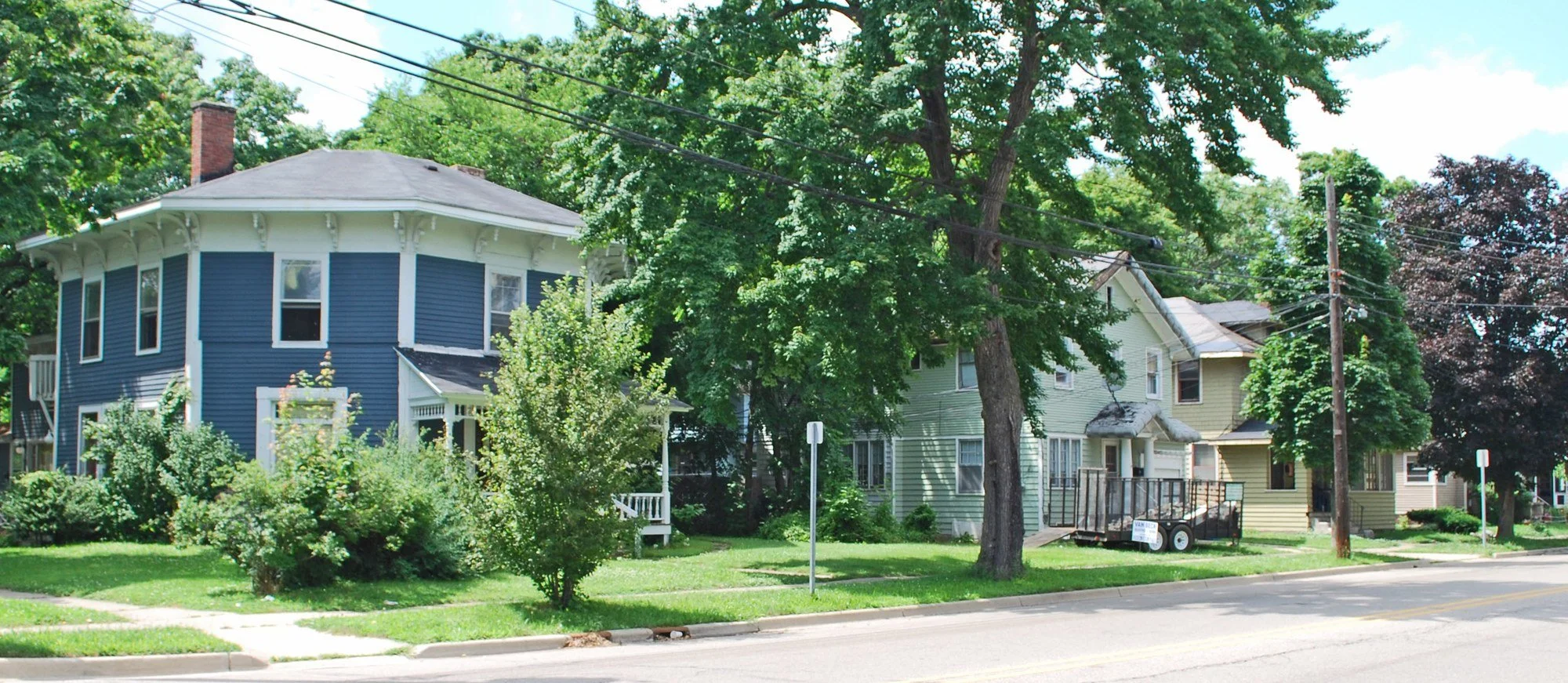
Rose Street, north of Dutton, in Kalamazoo’s Vine Area Historic District. Homes shown are for illustration only. Photo: Andrew Jameson via Wikimedia Commons, CC BY-SA 3.0.
When does renting make sense, and when is selling better?
Renting tends to work best when:
A realistic rent covers all of your costs with room to spare
You have cash set aside for repairs and vacancies
You're comfortable being a landlord or paying a manager
You don't need the equity for your next home
You have a long-term plan for the property, not just a reluctance to give up your rate
Selling tends to make more sense when:
The rent would only break even, or less
You need the equity for your next purchase
The house needs work before it could pass a rental inspection or attract a good tenant
You'll be far away without someone you trust to manage it
You expect to sell within a few years anyway and want to stay inside the capital gains window
There's no universal right answer. I'd rather help you make the decision that fits your next five years than talk you into a listing. And you don't need to have it figured out before we talk. Sorting out which questions matter is exactly where an early conversation helps. Call or text (269) 350-5514, email sold@veenstrateam.com, or book a 15-minute call.
Your 3-step plan
Start with a quick call. Tell me about the house, your move and your timing. Call or text (269) 350-5514, email sold@veenstrateam.com, or book a 15-minute call.
Put two numbers side by side. I’ll show you what your home could likely sell for and your estimated net from a sale. Pair that with your own research on fair market rent and your true monthly cost as a landlord.
Check the details with your pros. Confirm the tax picture with your CPA, occupancy with your lender, coverage with your insurance agent and rental rules with your city or township. Then decide with confidence.
Weighing whether to sell or rent out your Kalamazoo-area home? I'd be glad to show you what your home could sell for.
Frequently Asked Questions
Do I have to tell the assessor if I rent out my house in Michigan?
Yes. When the home is no longer your principal residence, Michigan requires you to file Form 2602 with your local assessor within 90 days to rescind the principal residence exemption. Missing the deadline can bring a $5-a-day penalty (up to $200) plus the added tax and interest.
Do I need a rental certificate to rent out my house in Kalamazoo?
Inside the City of Kalamazoo, yes. Rental housing must be registered and inspected, and the property needs a Certificate of Compliance before it's leased. Surrounding cities and townships set their own rules, so check with the municipality where your house is located.
Will renting out my house uncap my property taxes in Michigan?
Not by itself, because an ordinary lease isn't a transfer of ownership. A lease longer than 35 years (including renewal options) or one with a bargain purchase option can count as a transfer. You will lose the principal residence exemption, though, which raises your taxes.
Can I rent out an inherited house in Michigan without uncapping the taxes?
Be careful. Michigan's exemption from uncapping for a home passed to certain family members applies only if the home isn't used for a commercial purpose afterward, and the statute only carves out renting a home for fewer than 15 days a year from what counts as commercial. Talk with the assessor before you sign a lease, and see my guide to selling an inherited house in Kalamazoo.
How long can I rent out my old house and still get the capital gains exclusion?
The IRS generally requires that you owned and lived in the home for at least two of the five years before the sale, so many owners have about three years after moving out. Gain equal to depreciation for the rental years isn't excludable, so confirm your situation with a tax professional.
About Jason Veenstra
Jason Veenstra is a REALTOR® with the Veenstra Team, brokered by eXp Realty, serving buyers and sellers across Greater Kalamazoo and Southwest Michigan. Licensed since 2009, Jason brings extensive local market experience and a family real estate tradition dating to the 1980s. He helps clients navigate existing-home purchases and sales, relocation, and new construction.
Reach Jason and the Veenstra Team: call or text (269) 350-5514, email sold@veenstrateam.com, or book a 15-minute call.